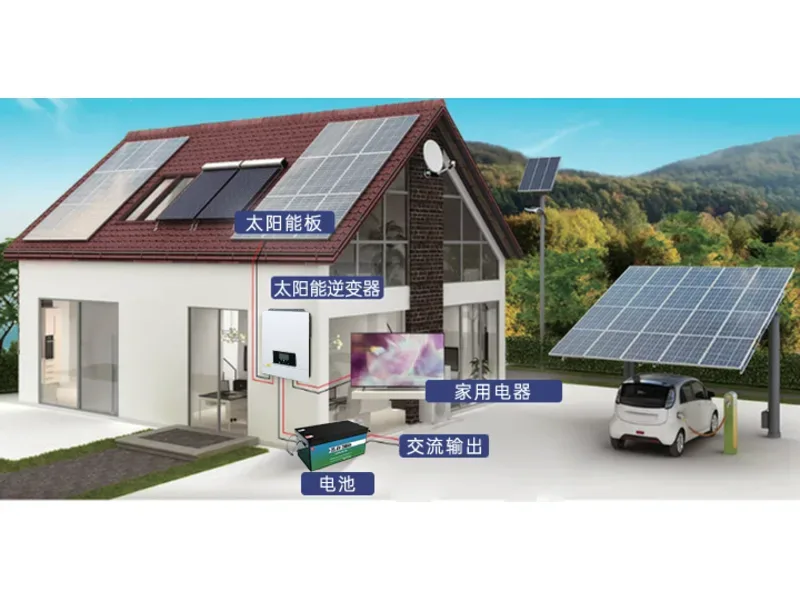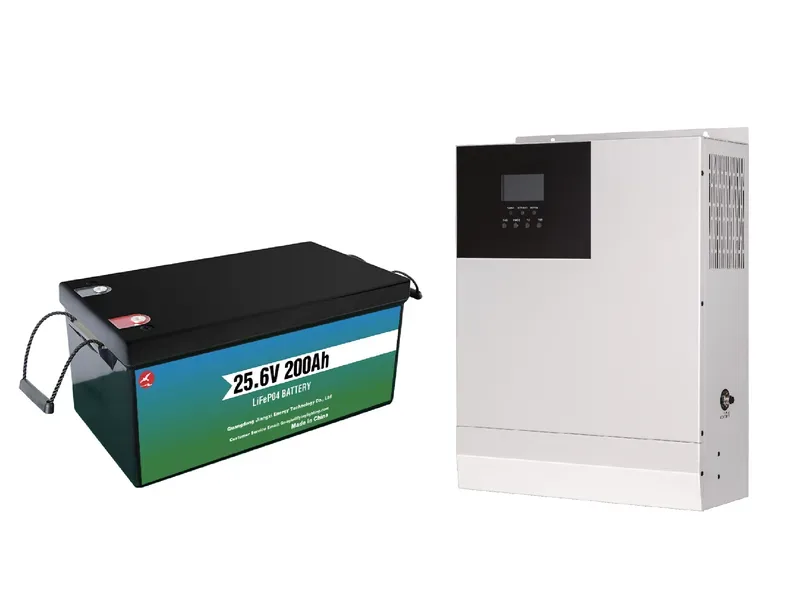
The short answer: a 3 kWh (3000 Wh) solar battery runs a TV, LED lights, a fan, phone charging and a small refrigerator through the evening and most of the night — it is the middle size where a family stops choosing between appliances. Compared with 2 kWh it stores 50% more energy; compared with 5 kWh it costs noticeably less. For a standard family in Africa or Southeast Asia dealing with unreliable grid power, 3 kWh is often the most balanced purchase: affordable enough to buy, big enough to keep the fridge running. Here is exactly what it can and cannot do.
What "3 kWh" actually means
A 3 kWh battery stores 3000 watt-hours. With a typical LiFePO4 system protecting the cells, the usable energy is about 80% — roughly 2.4 kWh per full cycle, and every runtime figure in this guide is based on that realistic number. Power output is typically 1500 to 3000 W continuous, which runs any combination of household essentials and only struggles with heavy draw appliances such as kettles, irons or air conditioners. The step from 2 kWh to 3 kWh is the step from "the essentials" to "the essentials plus the fridge".
What a 3 kWh battery runs, and for how long
For one appliance alone, from 2.4 kWh of usable energy: LED lights (10 W each) run for about 240 hours; a phone charger (15 W) for about 160 hours; an LED TV (80 W) for about 30 hours; a fan (60 W) for about 40 hours; a laptop (60 W) for about 40 hours; a Wi-Fi router (10 W) for about 240 hours; and a small refrigerator averaging 50 W for about 45 hours. Read together: a 3 kWh system covers a typical evening — TV, lights, fan and phones — and still has enough left for a fridge to cycle through the night. That is the load profile of most family homes in off-grid and unstable-grid regions, and it is why 3 kWh sells so well there.
A typical family evening on 3 kWh
Imagine the grid dropping at 7 p.m. in a home with a fridge. You switch on the battery: a small fridge cycling (50 W average), an LED TV (60 W), four LED bulbs (40 W), a ceiling fan (50 W) and two phones charging (30 W). Total load: about 230 W. From 2.4 kWh of usable energy, that is over ten hours of continuous power — the entire evening, overnight and into the morning, with the fridge running the whole time. Add a laptop for work or school and the system still covers a normal outage window of six to eight hours. The same load on 2 kWh drops to about seven hours, which is why families with a fridge choose 3 kWh.
Can a 3 kWh battery run a refrigerator all night?
Yes, comfortably. A 100 to 200 liter inverter fridge averages 40 to 60 W over a day. Overnight, from 8 p.m. to 7 a.m., it draws roughly 1.1 to 1.3 kWh — about half of the 3 kWh usable capacity. That leaves the other half for lights, TV, phones and a fan during the same window. This is the honest math behind the "3 kWh = family with fridge" rule of thumb. If your home also needs a freezer, a second fridge, or frequent laptop use, step up to 5 kWh for margin.
How many solar panels to charge a 3 kWh battery
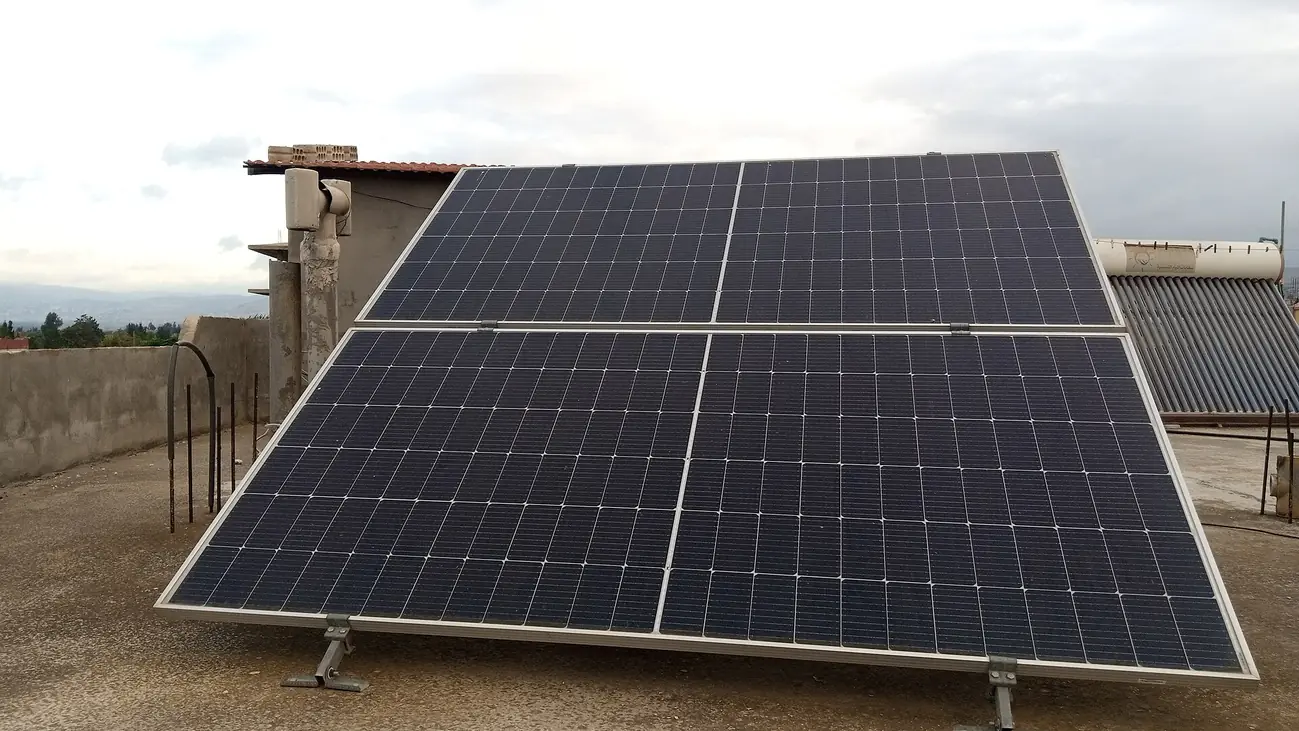
To recharge a 3 kWh battery in one sunny day you need roughly 600 to 800 W of solar panels — about three 250 W panels, or two 350 W panels in a sunny climate. Together with a charge controller and inverter matched to the battery voltage (24 V or 51.2 V are common for LiFePO4 home batteries), the panels top the battery up during the day so it is ready for the evening again. A useful rule: panel wattage about one-quarter to one-third of battery watt-hours, adjusted for local sunlight hours. Send us your location and load list and we will specify the exact kit.
3 kWh vs 2 kWh vs 5 kWh: which size is right
The decision is driven by two questions: do you have a fridge, and how many hours of backup do you need? 2 kWh covers lights, TV, fan and phones for a full evening — the affordable starter size. 3 kWh adds the fridge with comfortable margin and is the balanced family size. 5 kWh runs a fridge, TV, lights and phones through the evening and overnight with room for a full day of backup — the size most families buy once and stop worrying about. Prices scale with capacity, so the honest advice is: if the fridge is part of your daily life, 3 kWh is the smallest size that keeps it running without compromise.
Cost: battery vs generator fuel in high-energy-cost markets
In many African and Southeast Asian markets the real comparison is against a diesel or petrol generator. A 1 kVA generator burns roughly 0.5 to 1 liter per hour under load; a family running it four hours a night spends a meaningful share of monthly income on fuel alone, before maintenance. A 3 kWh LiFePO4 system with solar panels has zero fuel cost for 8 to 12 years of daily cycles, is silent, produces no fumes indoors and never runs out of fuel during an outage. In high-fuel-cost markets the payback against generator fuel is usually under two years — which is why off-grid families and small shops switch.
Buying 3 kWh systems wholesale for distribution
For distributors, retailers and installers, 3 kWh is a fast-moving SKU in unstable-grid markets: it is compact enough for economical shipping, priced for families, and simple to install with an all-in-one unit or separate inverter and battery. When sourcing from a factory, confirm the battery chemistry (LiFePO4 for hot climates), the inverter-controller configuration, certifications for your target market (UN38.3 for air freight plus regional standards) and the OEM options — branding, packaging and manuals. We manufacture LiFePO4 batteries and storage systems in-house and supply 2 kWh to 5 kWh home systems wholesale with flexible MOQ, OEM/ODM customization and sea or air freight to Africa, Southeast Asia and beyond. Contact us with your target country, load profile and quantity for a complete configuration and quotation.
Frequently asked questions
What can a 3 kWh battery run? — 3 kWh (about 2.4 kWh usable) covers a TV, fan, lights and phone charging, and supports a small refrigerator for most of the day — a balanced size for a family home.
Can a 3 kWh battery run a fridge overnight? — Yes. A fridge averaging 50 W draws about 1.2 kWh overnight; 3 kWh covers the fridge with margin for lights and phone charging.
How many solar panels for a 3 kWh battery? — In good sun, about 600 to 800 W of panels recharge a 3 kWh battery in one day. Final sizing of panels, controller and inverter depends on your grid/off-grid setup and local sunlight.
How much bigger is 3 kWh than 2 kWh? — 3 kWh stores 50% more energy — roughly an extra 24 to 32 hours of small-appliance use, or enough to add a refrigerator through the evening.
How much does a 3 kWh solar home system cost wholesale? — Pricing depends on battery voltage, inverter type, panels and quantity. Contact us with your target country and order size for a factory-direct quotation with MOQ and lead time.