The short answer: a 5 kWh (5000 Wh) solar battery runs a refrigerator, TV, LED lights, fan, router and phone charging through the evening, overnight and into the next day — it is the size most families buy once and stop worrying about. In regions where the grid is unreliable, 5 kWh covers nearly every essential household load: food stays cold, the TV keeps playing, phones stay charged and the house is never dark. It costs more than 2 or 3 kWh, but it is also the size that removes the outage problem almost entirely. Here is exactly what a 5 kWh system can and cannot do.
What "5 kWh" actually means
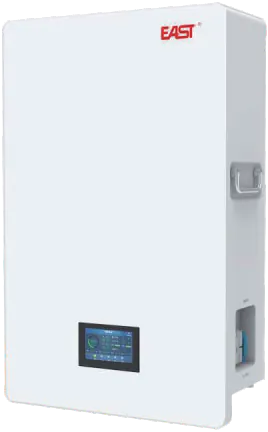
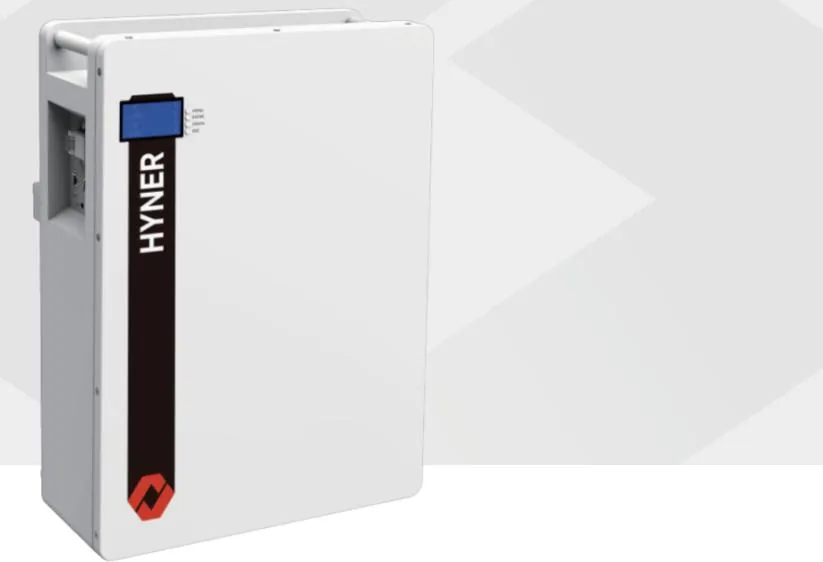
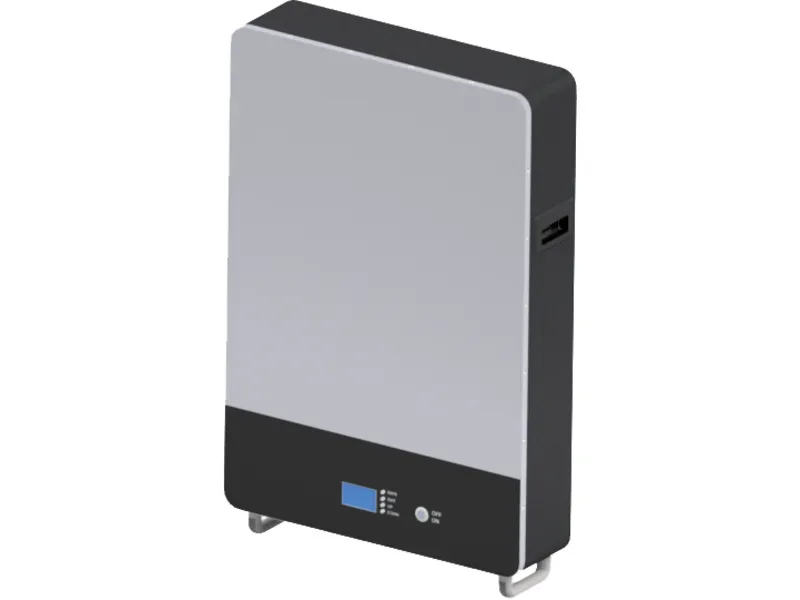
A 5 kWh battery stores 5000 watt-hours. With a LiFePO4 system protecting the cells, usable energy is about 80% — roughly 4 kWh per full cycle, and all runtime figures below use that realistic number. Power output is typically 2000 to 5000 W continuous, enough for a fridge plus TV plus lights plus small appliances at the same time, and too little only for heavy draw devices such as kettles, irons, water heaters or air conditioners. For a standard family home, 5 kWh is the capacity where the backup stops being a compromise and starts being a routine.
What a 5 kWh battery runs, and for how long
For one appliance alone, from 4 kWh of usable energy: LED lights (10 W each) run for about 400 hours; a phone charger (15 W) for about 260 hours; an LED TV (80 W) for about 50 hours; a fan (60 W) for about 65 hours; a laptop (60 W) for about 65 hours; a Wi-Fi router (10 W) for about 400 hours; a small refrigerator averaging 50 W for about 80 hours; and a rice cooker (600 W) for about 6.5 hours. Read together: a 5 kWh system runs the full family load — fridge, TV, lights, fan, phones and internet — for a full day and night, with energy left over. It also has the power headroom to cook a meal while everything else stays on.
A real family day on 5 kWh
Consider a home where the grid is off from 6 p.m. to 6 a.m. and unreliable during the day. The battery runs a small fridge cycling (50 W average), an LED TV for the evening (60 W for 4 hours), six LED bulbs (60 W total), a fan (50 W), a laptop for work (60 W for 3 hours) and two phones. Total daily draw is roughly 2.2 to 2.6 kWh — comfortably inside the 4 kWh usable capacity. Add a rice cooker for one meal (600 W for 40 minutes) and the day still fits with margin. That is the honest capability of 5 kWh: a full day of family life on battery, recharged by solar panels the next day. It is why households with a fridge and a home business choose this size.
Can a 5 kWh battery run a fridge and TV overnight?
Yes, and this is the classic 5 kWh use case. A fridge averaging 50 W plus an 80 W TV for 6 to 8 evening hours draws about 1 to 1.5 kWh in total. Overnight, the fridge adds another 0.5 to 0.7 kWh. The whole evening and night uses roughly 2 kWh — half of the usable capacity — leaving the other half for the next morning, for cooking, or for an unusually long outage. If your home has a freezer as well, or you want two full days of backup without solar, 5 kWh is still the right starting point; only whole-home backup with heavy appliances such as air conditioning needs a larger system.
How many solar panels to charge a 5 kWh battery
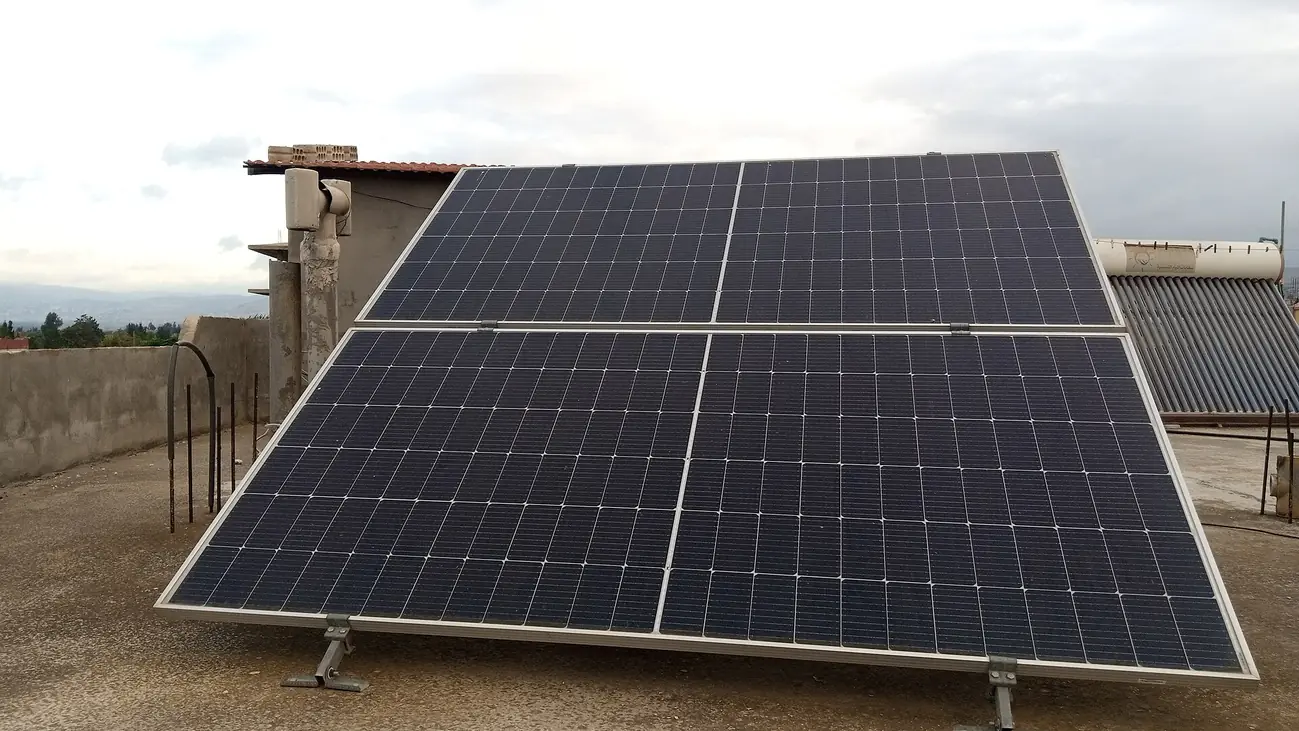
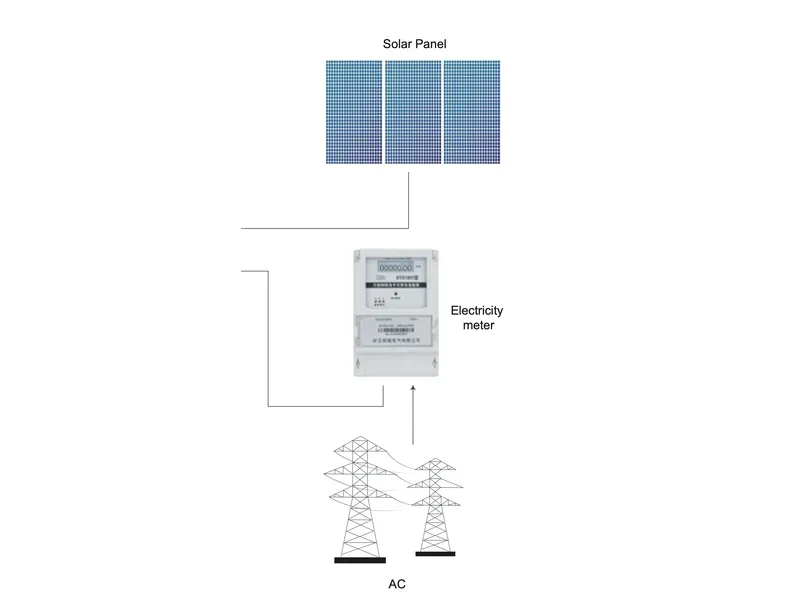
To recharge a 5 kWh battery in one sunny day you need roughly 1000 W of solar panels — for example four 250 W panels or three 350 W panels. Together with a charge controller and an inverter matched to the battery voltage (51.2 V LiFePO4 is the most common home configuration), the panels recharge the battery during the day so it is ready for the evening again. In a cloudy climate, plan closer to 1200 to 1500 W, or accept a partial recharge on overcast days. Send us your location and load list and we will specify the exact panel, controller and battery combination.
5 kWh vs 3 kWh: is the extra capacity worth it?
3 kWh covers a family evening plus a fridge; 5 kWh covers a full day and night plus cooking, work and headroom for longer outages. The difference matters in three situations: when outages routinely last more than eight hours, when the home runs a business (shops, phone charging stations, workshops), or when you want to skip worrying about load management entirely. In those cases the 5 kWh upgrade pays for itself quickly. If your outage window is short and your loads are basic, 3 kWh is the balanced choice — the comparison table on our 3 kWh page shows exactly where each size sits.
Cost: solar battery vs diesel generator
Across Africa and Southeast Asia, the real comparison for a family is against a diesel or petrol generator. A generator running four hours a night burns 0.5 to 1 liter per hour — a significant monthly fuel bill before maintenance and repair. A 5 kWh LiFePO4 system with solar panels has zero fuel cost for 8 to 12 years of daily cycles, is silent, produces no fumes indoors and never fails to start during an outage. In high-fuel-cost markets, payback against generator fuel is usually well under two years. For homes that already own a generator, solar-plus-battery typically reduces generator run time by 70 to 90%.
Buying 5 kWh systems wholesale for distribution
For distributors, retailers and installers in unstable-grid markets, 5 kWh is the flagship family SKU: it is the size end customers ask for by name, it ships economically by sea container, and it carries healthy margins. When sourcing from a factory, confirm the battery chemistry (LiFePO4 for hot climates), the inverter-controller configuration, certifications for your target market (UN38.3 for air freight plus regional standards) and the OEM options — branding, packaging and manuals. We manufacture LiFePO4 batteries and storage systems in-house and supply 2 kWh to 5 kWh home systems wholesale with flexible MOQ, OEM/ODM customization and sea or air freight to Africa, Southeast Asia and beyond. Contact us with your target country, load profile and quantity for a complete configuration and quotation.
Frequently asked questions
What can a 5 kWh battery power in a home? — 5 kWh (about 4 kWh usable) stably covers a fridge, TV, lights, fan, router and phone charging through the evening and overnight — the most common whole-family backup configuration.
How long will a 5 kWh battery run a fridge and TV? — A fridge (50 W average) plus a TV (80 W) for 6 to 8 evening hours draws about 1 to 1.5 kWh. A 5 kWh battery covers that plus overnight use — roughly a full day of family backup.
How many solar panels to charge a 5 kWh battery? — In good sun, about 1000 W of panels (for example 4 × 250 W or 3 × 350 W) recharge a 5 kWh battery in one day. Confirm the final configuration for your local conditions with the factory.
Is 5 kWh enough for whole-home backup? — For essentials — fridge, TV, lights, phones and fan — yes, that is exactly the profile this size is designed for. Whole-home backup with heavy appliances like air conditioning needs a larger system.
How much does a 5 kWh solar home system cost wholesale? — Pricing depends on battery voltage, inverter type, panels and quantity. Contact us with your target country and order size for a factory-direct quotation with MOQ and lead time.