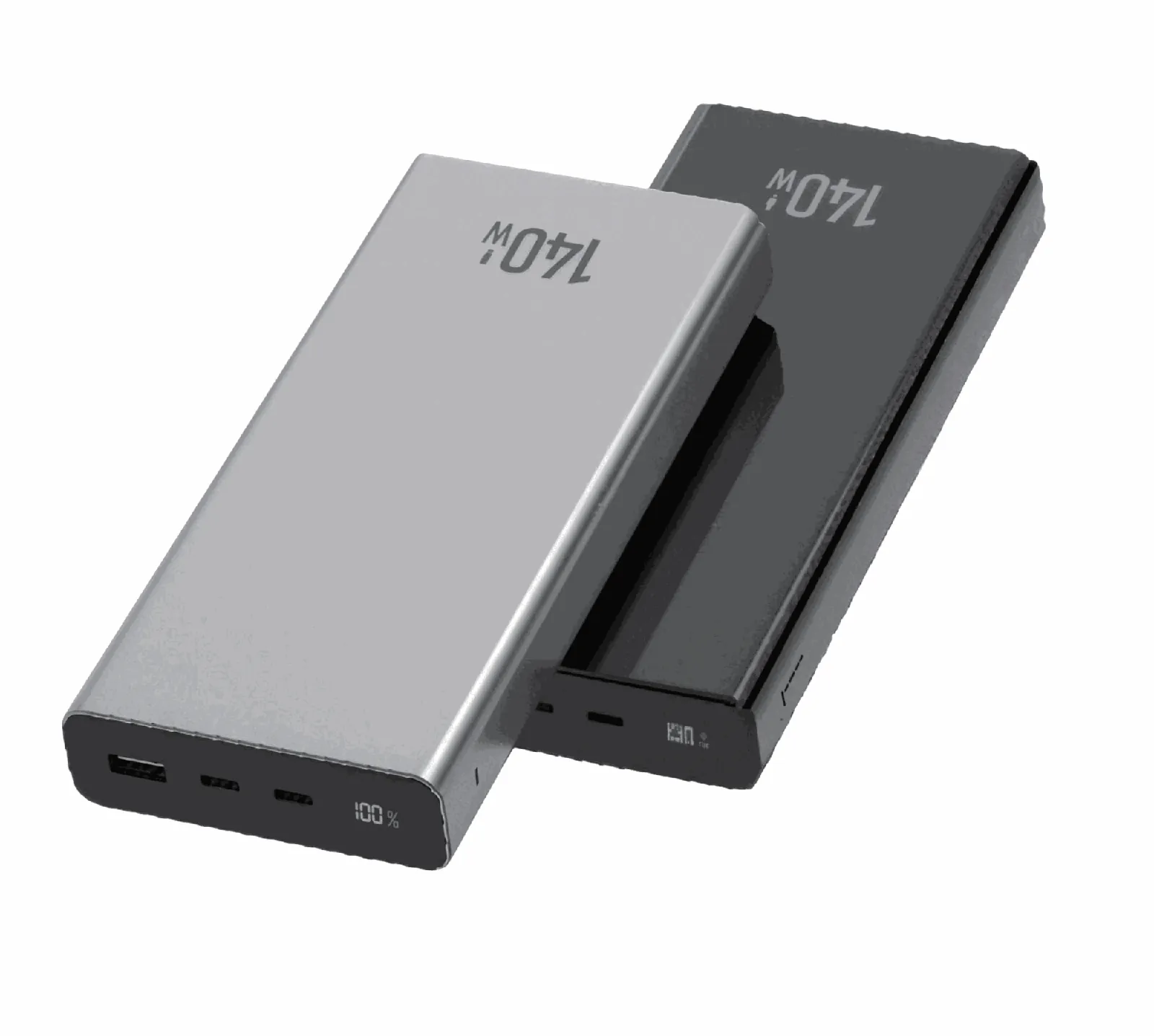
Distributors who treat portable power stations as a single product miss the whole business. The category spans a 300 W camping unit and a 3,000 W home-backup unit, and they sell to different customers, at different margins, through different channels. The winning move for a distributor is to build a product matrix — a ladder of tiers that covers the market and lets customers trade up. This guide covers how to structure that matrix, what specs to compare, and the commercial terms that matter when buying from a factory.
Structure the market as a product matrix
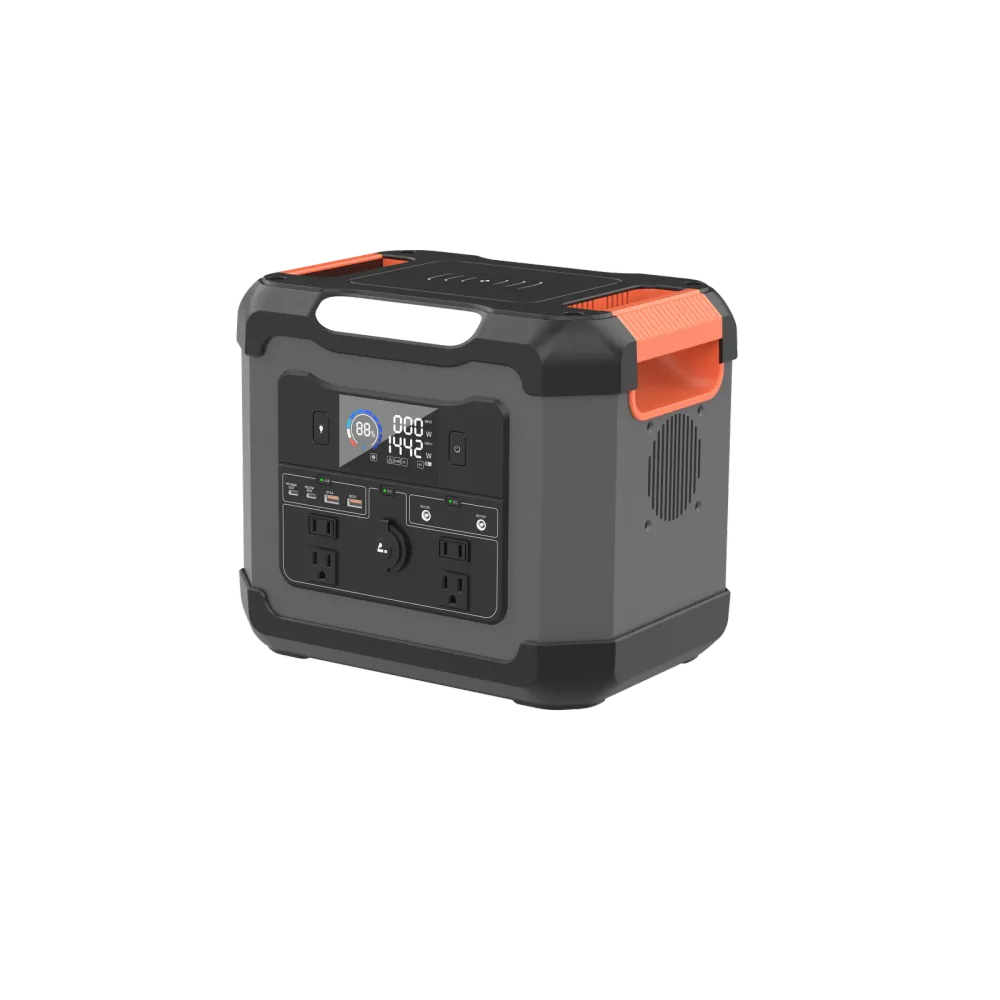
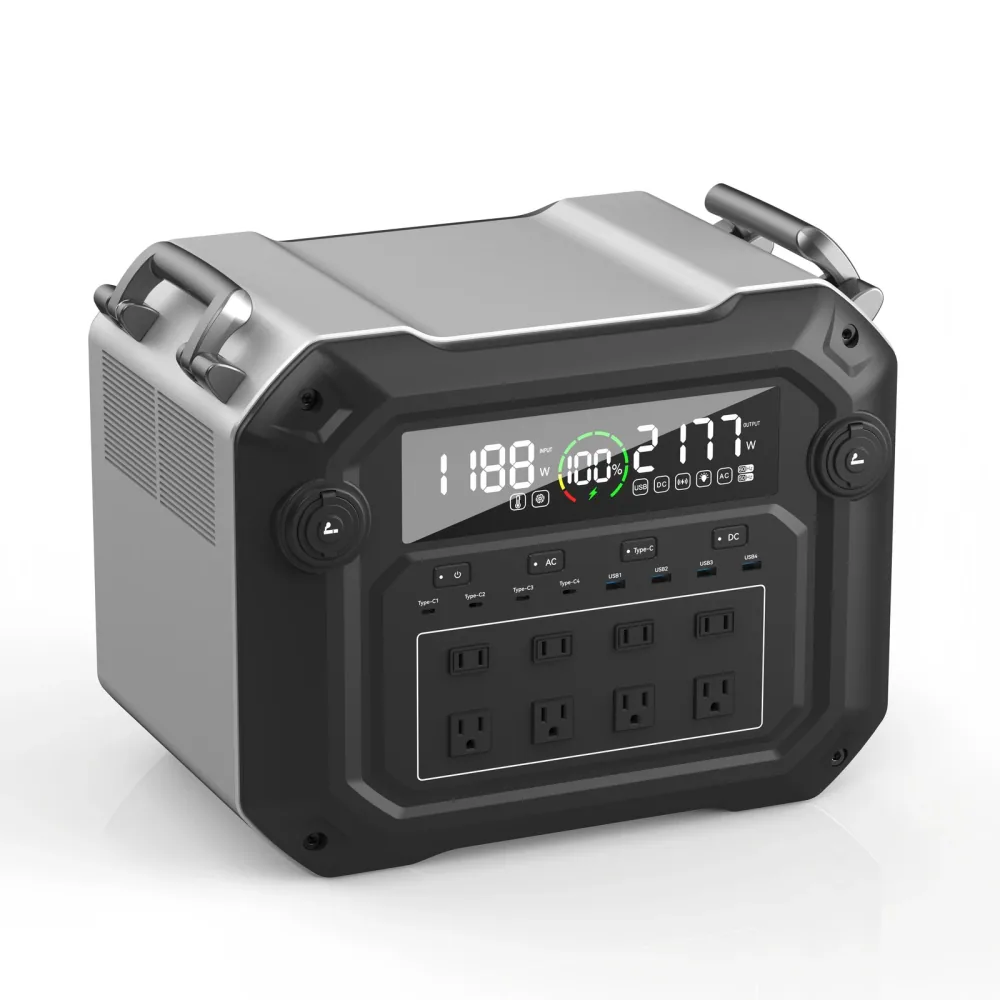
Plan three or four tiers rather than hunting for a single hit model. Entry level, roughly 300-600 W: light, cheap, aimed at camping and car use, sold on price and portability. Mid power, 1,000-2,000 W: the mainstream for camping, emergency and small worksites, sold on balance of power, ports and solar recharging. High power, 2,000-3,000 W: near-home-backup territory, sold to RV owners, DIYers and people replacing gas generators, with wheels, cooling, high solar input and long runtimes. Optional flagship, 3,000 W+: a household backup device that competes with small home batteries. A ladder like this lets every customer find a tier, creates natural upsell, and spreads risk across demand segments instead of betting on one SKU.
Specs to compare across tiers
Within each tier, compare the specs customers actually search for. Battery capacity in Wh and chemistry (LiFePO4 is the standard for anything you want to last); rated output power and peak/surge power; the AC socket standard and count; USB-C, USB-A and DC outputs; solar input range and max watts; charge time from AC and solar; the display and app features; cycle life; and operating temperature range. Two units at the same nominal wattage can differ a lot in real use — a unit with a true 2,000 W continuous rating, pure sine wave output and a 500 W solar input is a different product from one that barely sustains 1,200 W. Ask the factory for the actual continuous rating and the solar MPPT range, not just the marketing name.
LiFePO4 first, chemistry matters
For a product line you intend to hold for years, standardize on LiFePO4 (LFP). It offers 4,000 to 6,000 cycles versus roughly 500 for older NMC-style consumer units, runs cooler, is safer in transport and use, and holds capacity better as the line ages. The higher cell cost is recovered through warranty claims avoided — a distributor's largest hidden cost is replacements on cheap chemistry. Confirm the cycle life at the DOD you will advertise, the operating temperature range, and that the unit has proper protection electronics. Your warranty exposure is directly proportional to the chemistry quality you put in the box.
Ports, sockets and regional compatibility
Portable power is sold regionally, and the socket standard, voltage and certification differ by market. Confirm the AC output standard for your target countries (NEMA in the US, Schuko/CEE in Europe, UK/BS in Britain, etc.), the DC and USB configuration, and the certifications for each market — FCC, UL or CSA for the US, CE and UKCA for Europe, PSE for Japan, SAA for Australia. Lithium batteries are dangerous goods in transport, so confirm UN38.3, MSDS and air/sea shipping documentation for the exact battery pack. A distributor that ignores regional compliance ends up with inventory it cannot legally sell.
Solar input: the differentiator customers feel
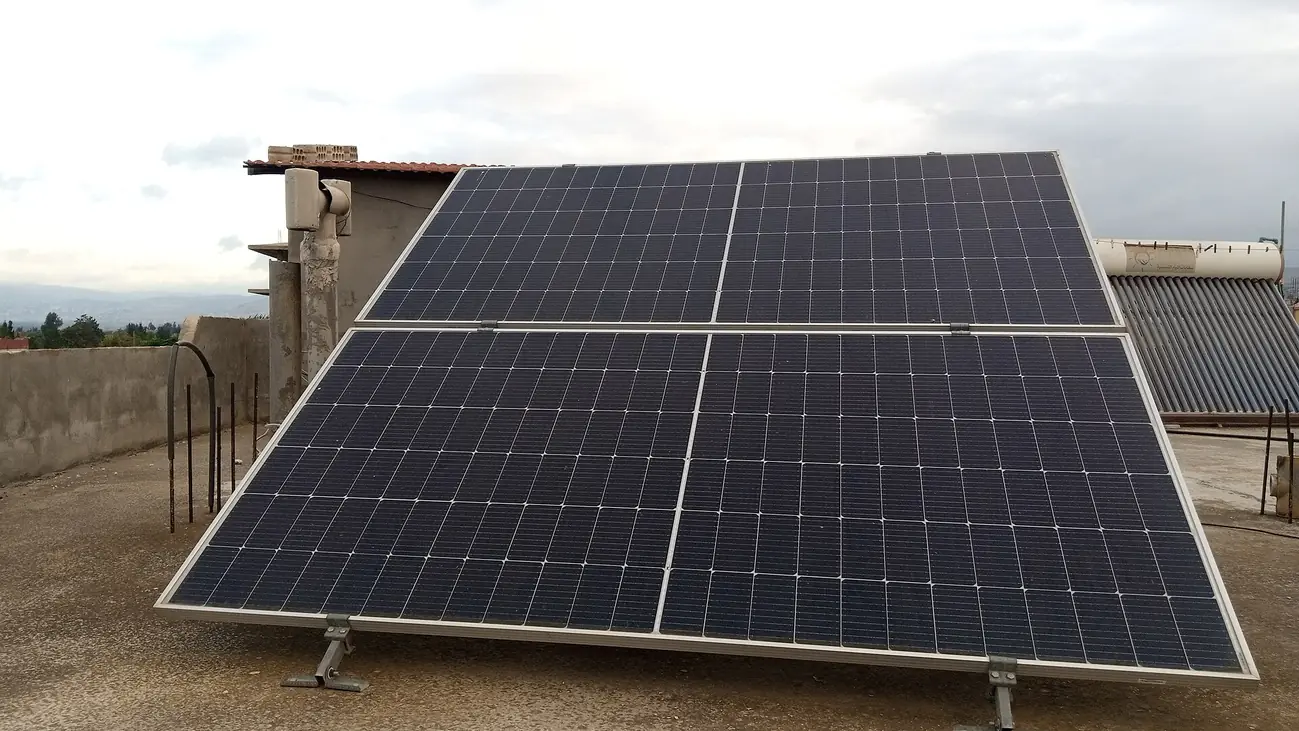
Solar recharging is what separates a modern portable power station from a plain battery box, and the solar input spec decides how useful it is off-grid. Compare the max solar input voltage and wattage, whether the MPPT accepts common panel voltages, and the charge time from a realistic panel — a unit that takes two sunny days to recharge a 2,000 Wh battery is less useful than one that refills in a day. Bundling solar panels as a kit is a proven upsell for distributors, so ask whether the factory offers panels, cables and carrying bags as matched accessories and how they are priced.
OEM/ODM and private label options
Most channel brands sell portable power under their own name, so confirm the branding options before sampling: logo silkscreen or sticker on the shell, printed or electronic manuals in your language, retail packaging with your design, custom app or display language, and firmware name changes where supported. Each branding element has its own cost and lead time — mold fees for shell changes, art approval cycles and minimums — so request a clear cost and timeline table per element. Confirm whether the factory can sign an NDA and whether your brand appears on any public certificate or shipping document. Private label is the fastest route to a branded product line, provided the factory's quality system is verified with a pilot order first.
MOQ, lead time and payment terms
Three commercial terms decide whether the line is profitable. MOQ — standard models often accept smaller mixed orders, while customization raises the MOQ per model; confirm whether MOQ applies per model or per mixed order. Lead time — allow 15 to 40 days after deposit for standard units, plus 20 to 40 days of sampling for branded products. Payment — typically 30% deposit with the balance before shipment, or L/C for larger orders; confirm the Incoterm (EXW, FOB or DDP) early, because inland freight and export formalities add materially to landed cost. Ask for a price ladder (for example 100, 500, 1,000 and 5,000 units per model) and whether sample units are deducted from the first batch.
Quality, aging and batch acceptance
Batch quality is where the margin lives or dies. Confirm the factory's incoming inspection, full aging test process, packaging drop tests and sampling plan (AQL levels), and require test records for the first batch. Check serial number traceability — each unit should carry a unique serial tied to test records for warranty claims. Ask for the spare part ratio included (fans, fuses, cables, manuals) and the sea-freight packaging configuration (palletized, carton strength, moisture protection). Consider a third-party pre-shipment inspection for the first batches. A written quality agreement at the start of the relationship prevents most batch disputes.
How we support distributors
As a manufacturer of LiFePO4 portable power stations from entry to 3,000 W-plus, we build the matrix, not just a unit. We provide the product tiers, datasheets, certification copies and aging records up front, support OEM/ODM branding and private label, and quote clear MOQs and lead times per tier. Send us your target markets and the tier ladder you want to fill, and we will confirm which models cover it and what the volume price is at each step.