Commercial and industrial (C&I) energy storage in 2026 is defined by a handful of converging forces: falling LFP cell prices, liquid cooling moving into mainstream cabinets, EMS software becoming the competitive battleground, widening peak-valley spreads in many markets, and a tightening safety-certification regime. For buyers — factories, commercial buildings, distributors and integrators — the practical effect is that systems are cheaper, more capable and safer than two years ago, but the procurement process demands more attention to software, standards and policy incentives. This report gives you the trends that change your buying decision and the policy landscape that changes your economics.
Trend 1: Liquid cooling moves mainstream
Liquid cooling is no longer reserved for utility-scale containers. In 2026, liquid-cooled C&I cabinets are increasingly the default for systems above a few hundred kWh, because they reduce cell temperature differences, extend cycle life and shrink the physical footprint versus air-cooled designs of the same capacity. The engineering trade-off is real: liquid-cooled systems need careful coolant maintenance and leak monitoring, so for smaller, low-intensity applications air cooling remains cheaper and simpler. The buying rule is simple — above roughly 500 kWh, evaluate liquid cooling seriously; below that, air cooling usually wins on total cost.
Trend 2: All-in-one cabinets dominate the mid-market
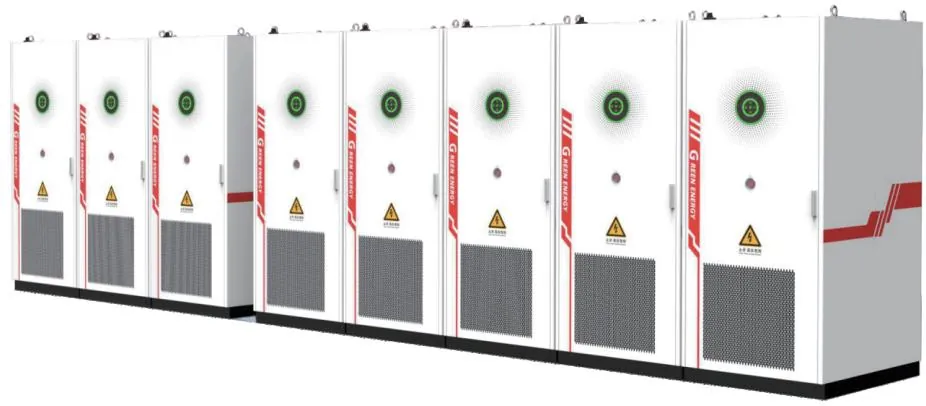
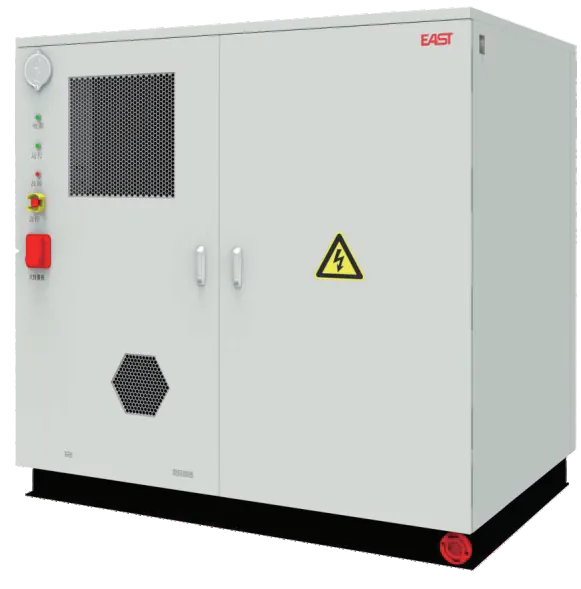
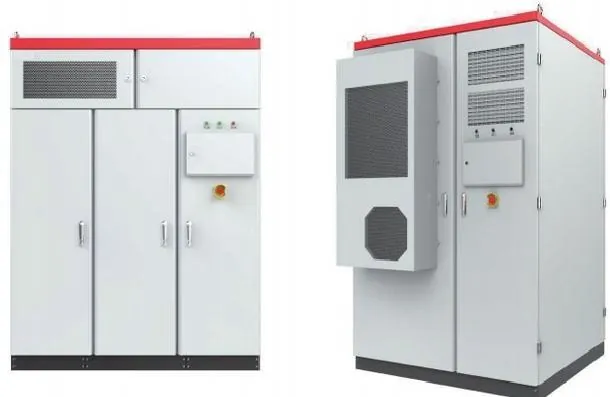
The all-in-one C&I cabinet — battery, PCS, EMS and fire protection integrated into a single enclosure — has become the default product shape for the 100-500 kWh segment. It ships faster, installs faster and presents a single warranty boundary, which is exactly what commercial buyers with a tight project schedule want. The trade-off is flexibility: an all-in-one is a fixed configuration, while a modular approach (separate battery cabinets, PCS and EMS) allows expansion and tailoring. For a factory or park with a defined load, the all-in-one is almost always the pragmatic choice; for a campus planning phased expansion, modular deserves a second look.
Trend 3: EMS software is the new battleground
The hardware difference between leading C&I storage systems is shrinking; the software difference is growing. Modern EMS platforms forecast load, optimize between peak shaving, TOU arbitrage and PV self-consumption, participate in demand response, and present a clear dashboard to the site owner. Buyers increasingly choose a supplier by the EMS, not the cabinet. Ask what strategies ship out of the box, whether the EMS learns from your load data, whether it supports remote monitoring and dispatch, and whether strategy updates are included in the warranty. An EMS that models your tariff correctly is worth more than a slightly larger battery.
Trend 4: Tariff spreads widen, driving the business case
More markets are adopting time-of-use tariffs with meaningful peak-valley spreads, and some are introducing or raising demand charges — both of which strengthen the C&I storage business case. In markets where the spread was too thin two years ago, storage now pays back in 4-6 years. For buyers, the policy signal to watch is your own utility's tariff direction: a widening spread or a rising demand charge is the single strongest reason to accelerate a storage purchase. Check the announced tariff roadmap, because buying before a spread widens can be better than waiting.
Trend 5: Safety certification tightens
Fire-safety incidents in utility storage have pushed regulators and insurers toward stricter requirements, and C&I cabinets are being drawn into the same net. Buyers in 2026 should expect to be asked for thermal-runaway propagation test results, fire-suppression design details and relevant certifications for the battery system (such as IEC 62619 and, for larger systems, UL 9540A-relevant testing). Insurers increasingly require these documents before covering a commercial storage asset. The practical effect is a floor under quality: cheap, uncertified systems are becoming harder to install and insure, which is good news for buyers who want a system that lasts.
Policy snapshot: Europe
European markets continue to reward behind-the-meter storage through retail tariffs, growing self-consumption economics and a push toward energy independence. Several EU states run subsidy programs for commercial storage, from investment grants to tax incentives, and some allow storage to stack self-consumption with demand-response revenue. Grid connection rules vary by country, so confirm the local connection process and any registration requirements before sizing. For distributors, the European trend toward energy independence and higher electricity prices keeps C&I storage demand structurally strong.
Policy snapshot: United States
The US C&I market is shaped by a combination of federal investment tax credits for storage and state-level programs — net metering rules, demand-charge rates, capacity incentives and storage mandates in some states. The federal ITC reduces the effective installed cost of qualifying storage, and state programs vary widely, so a buyer should model the combined federal and state incentive stack for their specific utility territory. Wholesale buyers entering the US market should expect documentation-heavy procurement and certification requirements (UL listings, permitting) as a standard part of the process.
Policy snapshot: China and other markets
China continues to support storage through market mechanisms and is pushing C&I users toward battery systems with expanding peak-valley price differences and new capacity-market rules. Markets in Southeast Asia, the Middle East and Latin America are adding C&I storage as electricity prices rise and grid reliability concerns grow, often with simpler approval paths than the US and Europe. For buyers, the pattern across all these markets is the same: storage economics improve as tariffs become more dynamic, and early movers capture the widest spreads before rates rebalance.
What this means for your procurement decision
Put together, the 2026 picture argues for a specific buying posture. Buy liquid-cooled all-in-one cabinets for the mid-market with A-grade cells; make your supplier decision on EMS software and after-sales, not just price; check your local incentive stack before sizing; demand safety test reports up front; and buy while spreads are widening rather than after they rebalance. As a manufacturer of all-in-one commercial storage systems — including liquid-cooled configurations — we publish the efficiency curves, cycle life and safety test reports on request, and we will model your tariff and incentive stack before you commit. The 2026 market rewards buyers who decide on software, safety and timing, not just hardware.