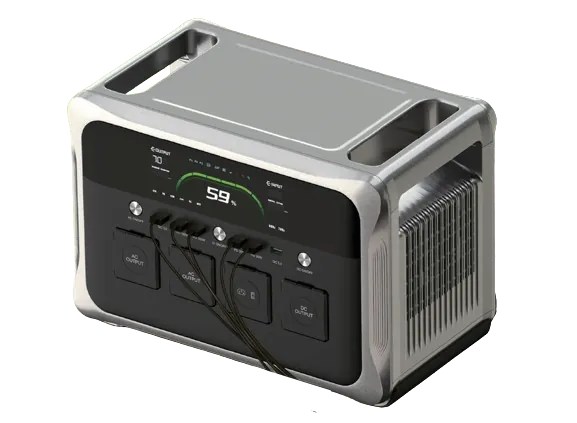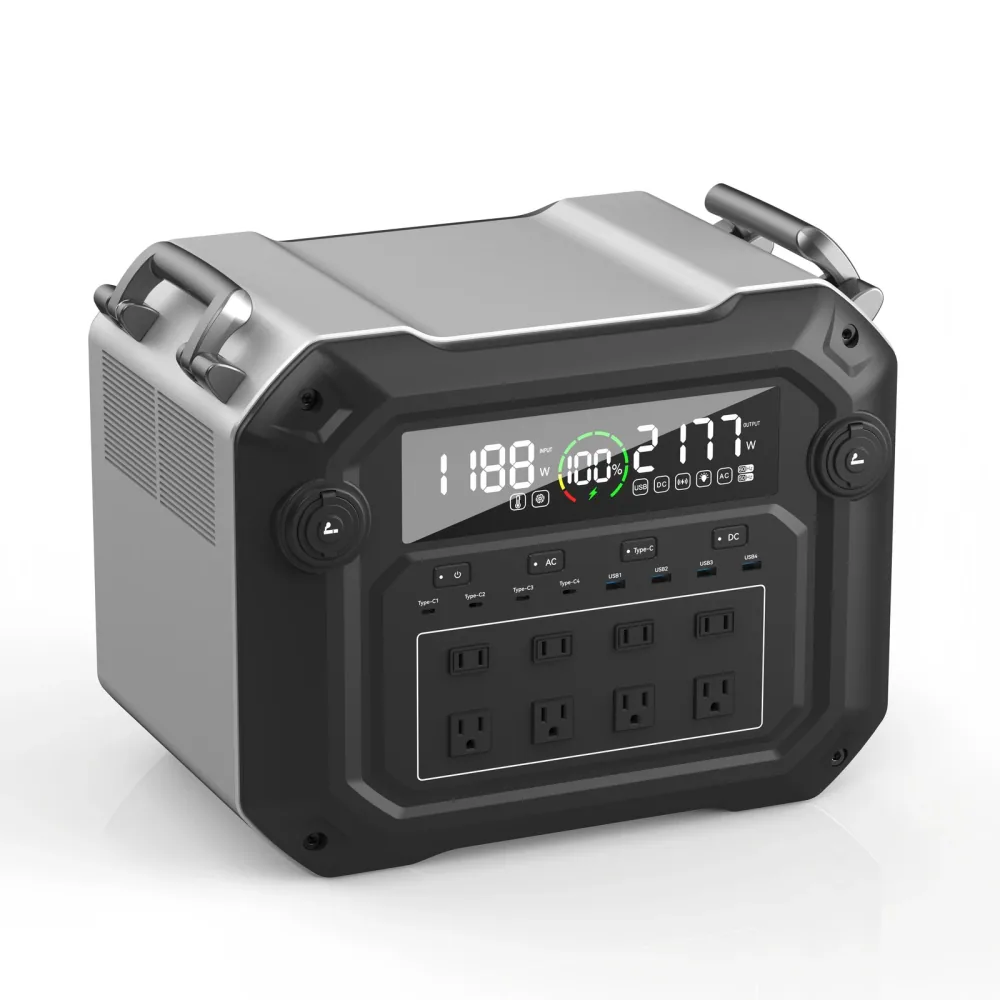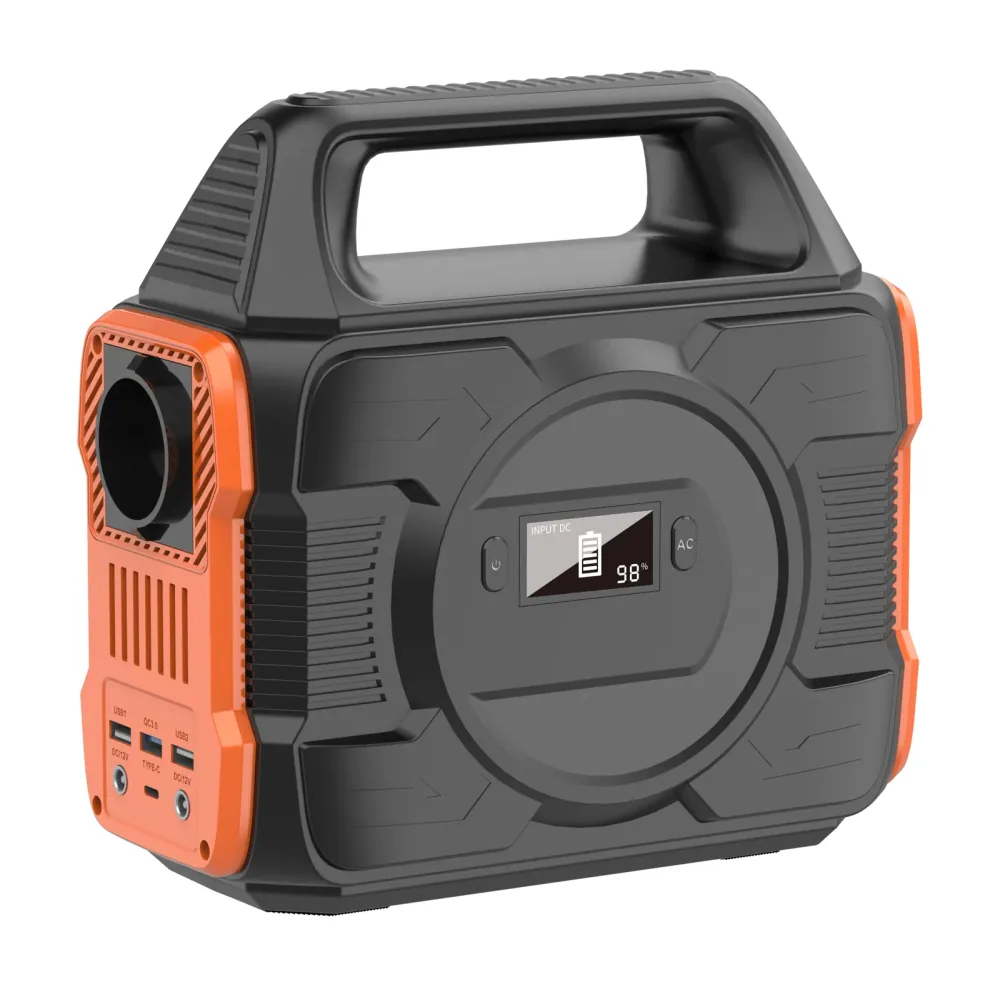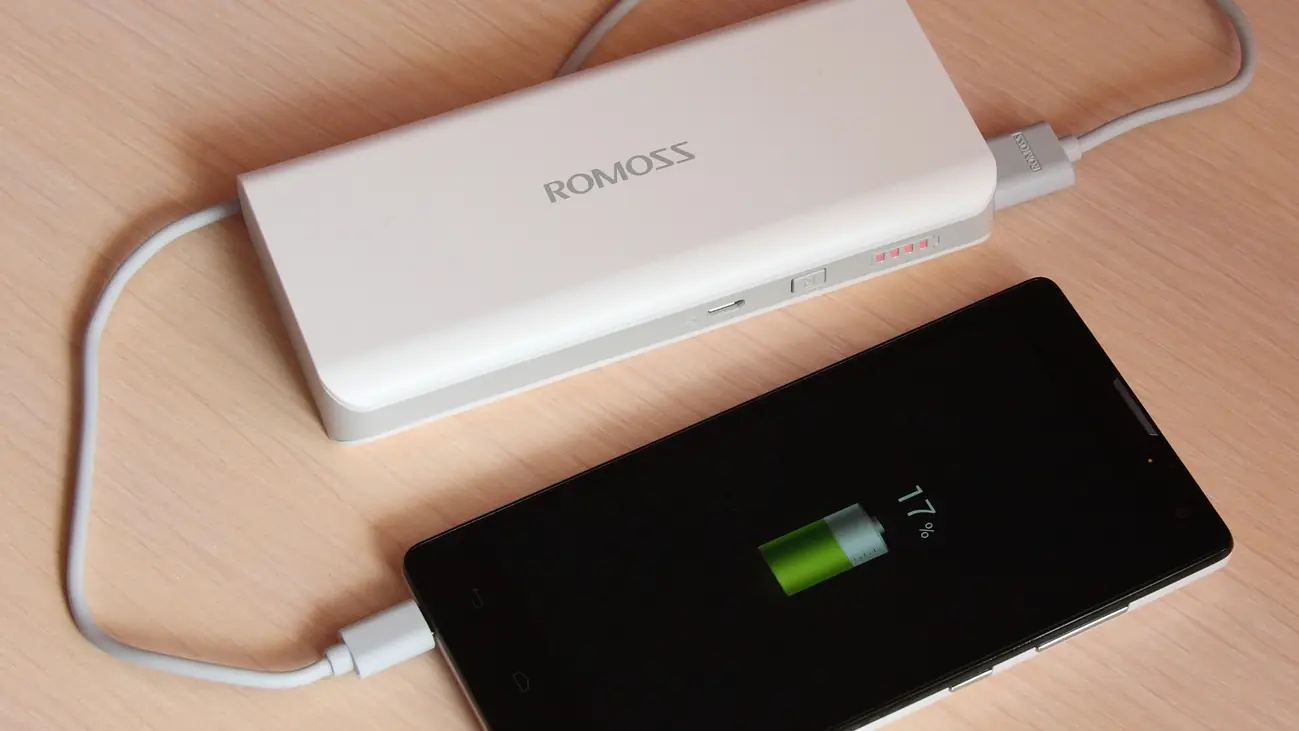
A solar generator and a portable power station are usually compared as two different products, but in most cases they describe the same thing: a portable unit with an internal lithium battery, an AC inverter output, and charging from either the mains or solar panels. The difference is naming and the selling point a vendor chooses to emphasise — not the product itself.
Where the two names come from
Portable power station is the industry-standard term: it emphasises a station with AC outlets, multiple ports and the ability to replace a wall socket. Solar generator describes how the unit is used — paired with a solar panel it looks like it is generating power from the sun, so it gets called a solar generator. Both names sell the same hardware; the second usually implies a solar panel is included or intended.
One clarification matters: unlike a diesel generator, it does not generate electricity on site. It stores energy in a battery and inverts it to AC. A solar panel is simply one way to charge that battery, alongside mains charging.
What to check when buying
The name is irrelevant; the specs are not. Four values decide the purchase: battery capacity (Wh or kWh) sets runtime; rated output (W) sets the load it can carry; peak power sets the start-up surge it survives; and maximum continuous output decides whether it can sustain that power. Also confirm whether the AC output is pure sine wave or modified sine wave — motor and compressor loads need pure sine wave.
Why African and high-outage markets say solar generator more
Where the grid is unstable and outages are frequent, the generator is the appliance concept households already know, and solar is the most realistic supplementary source. Buyers there therefore search for solar generator even when what they actually need is a portable power station. For suppliers this means the same product ranks better under portable power station in Europe and under solar generator in Africa — cover both terms in B2B distribution rather than picking one.
How to ask for a wholesale quote
Whichever term you use, a quote is only accurate if the enquiry states the target country (this sets certification direction and plug type), the capacity and power needed per unit, order volume, whether OEM/ODM is required (nameplate, packaging, manuals), and whether solar panels are part of the kit. Lithium battery exports need UN38.3 and target-market access documents, so confirming these early avoids rework later.
We supply the same portable storage range under both the portable power station and solar generator names, from 100W to 3600W, with matching solar panels and target-market certification documents, on factory-direct wholesale and OEM/ODM terms. Send your target country, load list and volume for a quotation.