Commercial and industrial sites can store energy two ways: a single large containerized system that concentrates all capacity in one enclosure, or a distributed layout of modular cabinets spread across the site. Both store the same energy and save on the same tariffs, but they differ on footprint, expansion, installation, failure behavior and where the site allows them to go. This guide compares the two architectures so you can choose the one that fits your site's space, load and growth plan.
Containerized architecture
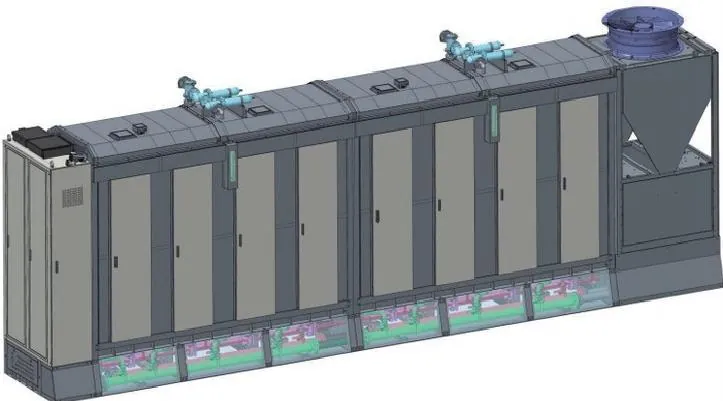
A containerized C&I system packs the batteries, PCS, EMS and fire protection into one 20- or 40-foot container, typically in the hundreds of kWh to multiple MWh range. It is the standard for sites with a large dedicated area, high power demand, or grid-scale ambitions. Because everything is pre-assembled and tested at the factory, on-site installation is fast — place it on a concrete pad, connect AC and communication, and commission. The container concentrates the value in one asset, which simplifies ownership but also concentrates risk in one location.
Distributed cabinet architecture
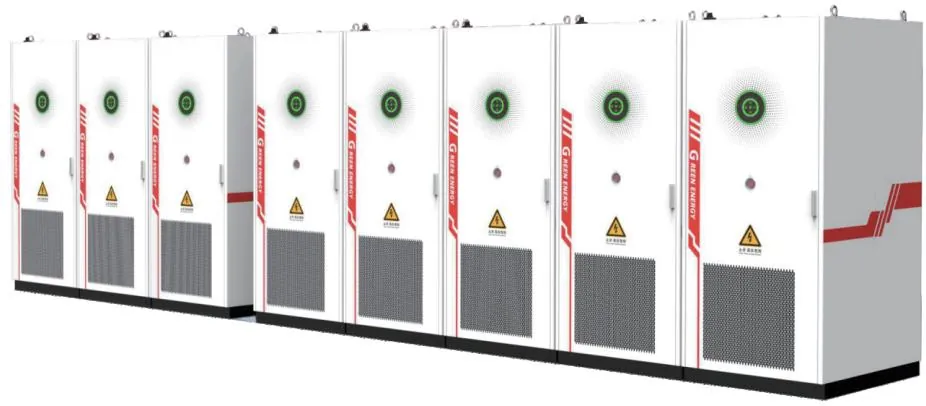
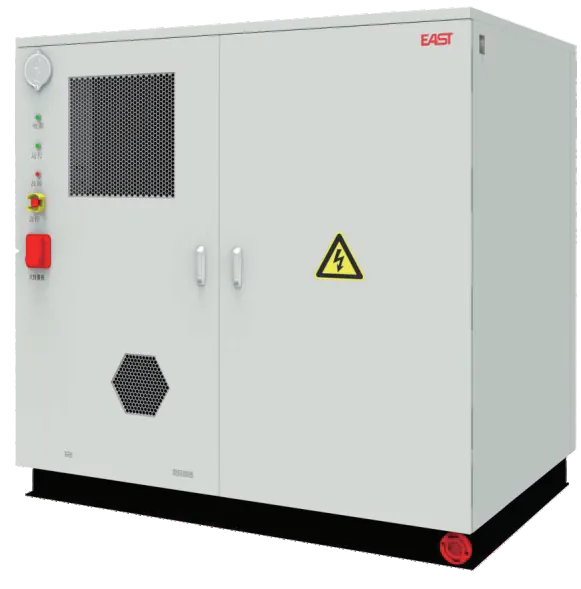
A distributed layout uses modular all-in-one cabinets — typically 100-500 kWh each — placed close to the loads they serve, and scales by adding cabinets over time. This suits sites with scattered load centers, limited open ground, or phased budgets: you buy one cabinet, prove the savings, then expand. Cabinets are easier to retrofit into an existing facility because they fit through standard doors and need a small pad, and a fault in one cabinet does not take down the whole system. The trade-off is more inverters and more installation points, which can mean slightly higher per-kWh cost at small scale.
Comparison at a glance
| Factor | Containerized | Distributed cabinets |
|---|---|---|
| Capacity per unit | Hundreds of kWh to MWh | 100-500 kWh per cabinet |
| Footprint | One large pad | Multiple small footprints near loads |
| Expansion | Add another container | Add cabinets incrementally |
| Installation | Fast, factory-integrated | More points, easier retrofit |
| Failure isolation | One system, one point of impact | Cabinet faults isolated |
| Site flexibility | Needs dedicated space | Fits tight and indoor spaces |
| Best for | Large loads, grid ambitions | Scattered loads, phased budget |
When containerized wins
Choose a container when the site has a dedicated outdoor area, the load is large and concentrated, and you want the lowest cost per kWh at scale. Container systems shine on factories, warehouses and commercial campuses with a main LV or MV room, because one system delivers high power with a single integration point and a single service contract. If you expect to grow into multiple MWh, a container platform that scales by adding containers keeps the architecture consistent.
When distributed cabinets win
Choose distributed cabinets when the loads are spread across the site, the ground is limited or expensive, or you want to prove the economics before committing a large budget. Cabinet systems are the practical answer for retail, hotels, small factories and mixed-use buildings, and for expansions where adding a cabinet is cheaper and less disruptive than installing a second container. A cabinet beside each load center also reduces DC and AC cable runs, which matters in sites with long distances.
Decision guidance
Map your load centers, available ground, expansion plan and budget horizon before choosing. If you need high power in one place and have the space, containerize. If your loads are spread out or your budget is phased, distribute. A common hybrid is a container for the core load plus a few cabinets for remote load centers — but the starting question is always the same: where does the site put the capacity, and how will it grow.
As a manufacturer of both containerized systems and all-in-one commercial cabinets, we can model both architectures for your site. Send your load data, site layout and growth plan, and we will recommend the architecture with the configuration and pricing.