The energy storage market in 2026 continues to grow at a double-digit annual rate, driven by falling battery costs, rising electricity prices and the build-out of solar and wind. Battery energy storage systems have become a multi-hundred-GWh-per-year market, with demand spread across grid-scale projects, commercial and industrial installations and home storage. This report summarizes the size, the regional shape, the application mix and the price and supply trends that a buyer or distributor should carry into 2026 planning.
Market size and growth
Global battery energy storage installations are on track to exceed several hundred GWh of new deployments in 2026, continuing the steep growth curve of recent years. The market is being pulled by three forces at once: grid operators installing storage for flexibility and grid services, utilities and developers pairing storage with new solar and wind capacity, and behind-the-meter buyers — homes, factories and commercial buildings — responding to higher electricity prices and favorable tariff structures. Most forecasts agree the compound growth rate remains above 20% a year into the second half of the decade, even as prices fall, because the applications multiply faster than prices shrink.
LFP chemistry dominates
Lithium iron phosphate (LFP) has become the default chemistry for nearly all stationary storage in 2026, for three reasons: thermal safety, cycle life and falling cost. LFP cells are thermally stable enough for homes, factories and containers, deliver 4,000-6,000 cycles, and have fallen in price steadily as manufacturing scale grew. NMC survives mainly in EVs and compact portable products. Sodium-ion is emerging as a long-term challenger for grid-scale storage on cost and raw-material abundance, but in 2026 it remains a small slice of deployments. For buyers, standardizing on LFP means maximum compatibility, the best safety profile and the lowest lifetime cost.
Grid-scale: the largest segment
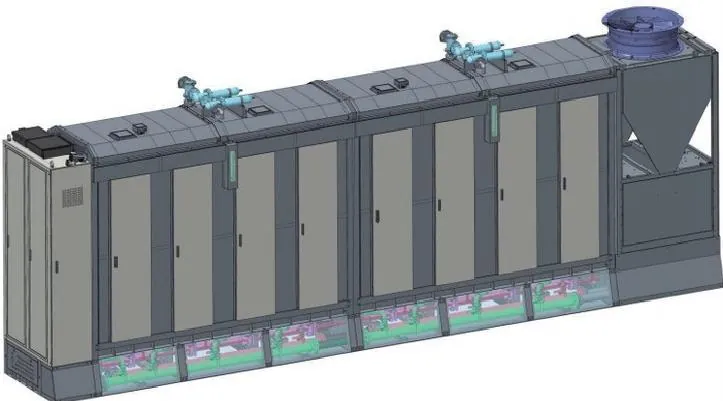
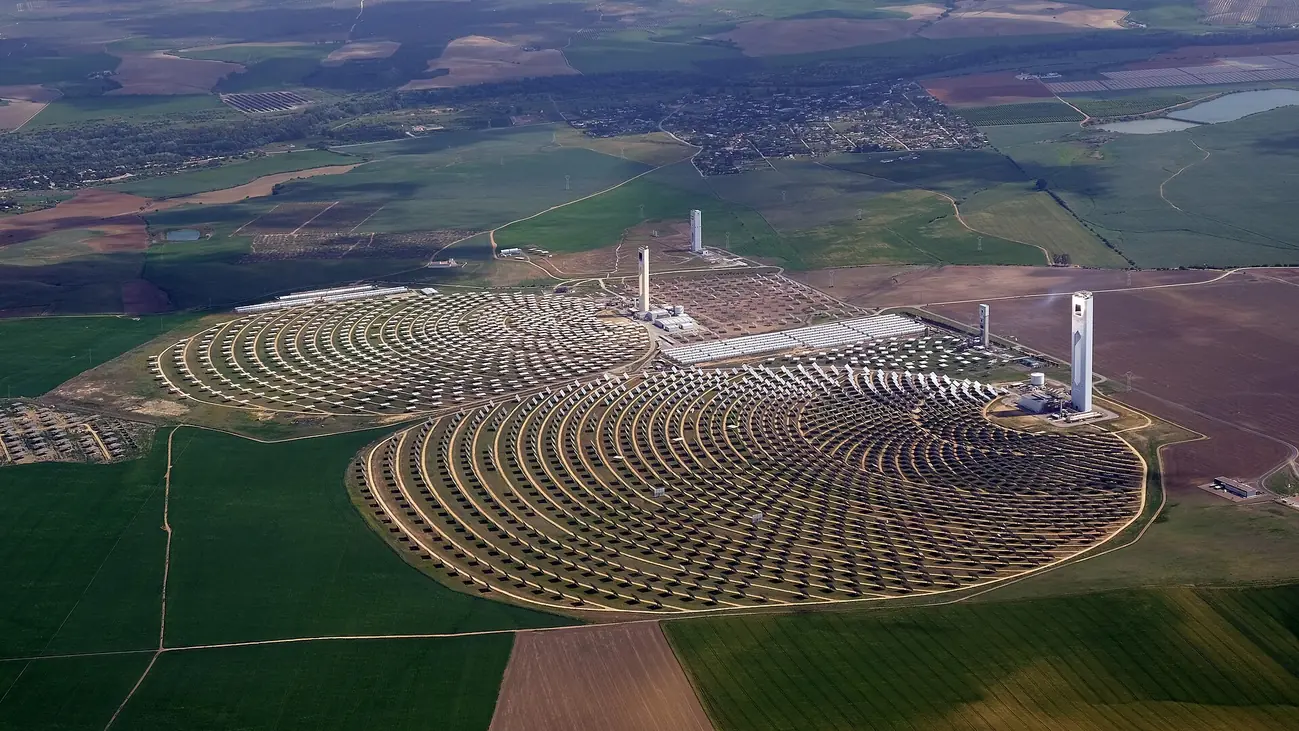
Grid-scale (front-of-meter) storage is the largest segment by deployed capacity. It is built to smooth renewables, provide frequency regulation and firm capacity, and shift energy across hours. Liquid-cooled containers are the dominant form factor, with 1500V platforms and containerized batteries the standard architecture for new projects. Buyer focus in this segment is on cell grade, thermal design, grid-code compliance and delivery reliability. The segment is consolidating around a small number of large manufacturers with in-house cells, containers and PCS, and procurement is increasingly formalized through tenders and long-form contracts.
Commercial and industrial: the fastest-growing behind-the-meter segment
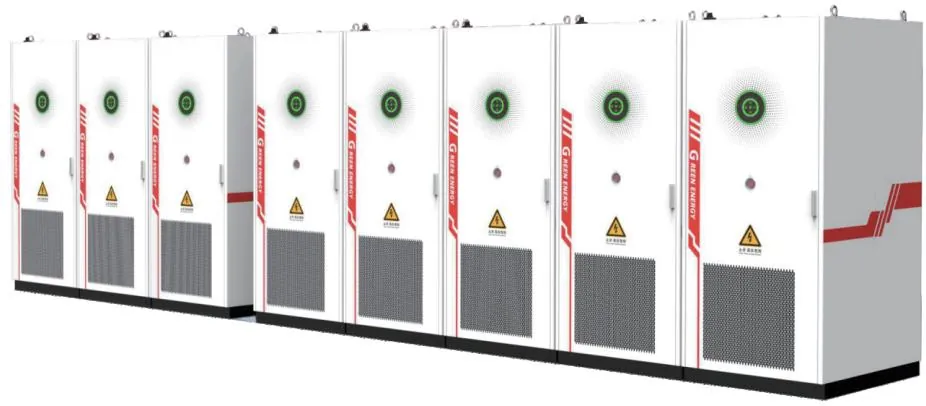
C&I storage is the fastest-growing behind-the-meter segment, driven by demand charges, time-of-use tariffs and the desire for backup. The mid-market product is the all-in-one cabinet — battery, PCS, EMS and fire protection in a single enclosure — available in liquid-cooled and air-cooled versions from roughly 100 kWh up. Buyers choose on EMS software, efficiency, cycle life and after-sales as much as on price. Distributors in this segment are building product lines around standardized cabinets and modeling the ROI for their customers, which keeps demand sticky even as hardware prices fall.
Home storage: strong demand, brand competition
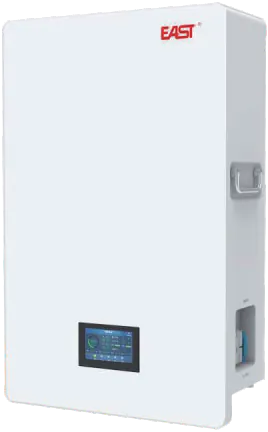
Home storage continues to grow with solar-plus-battery economics, outage concerns and falling prices. The typical product is a wall-mounted or stackable LFP battery paired with a hybrid inverter, sold through installers and channel brands. The market splits between established brands selling integrated ecosystems and a rising tier of white-label and OEM products that offer the same LFP cells and certifications at a lower price. For distributors, the opportunity is the private-label tier: the hardware is standardized, the differentiation is branding, pricing and install support.
Regional snapshot: Asia-Pacific
China is the largest market and the largest manufacturing base, with a massive build-out of grid storage, a growing C&I market driven by expanding peak-valley spreads, and a strong export position on cells and systems. The broader Asia-Pacific region — Australia, Japan, Korea and Southeast Asia — is adding storage rapidly, with Australia strong in residential and grid storage, Japan and Korea focused on grid stability and home backup, and Southeast Asia growing from a low base as electricity prices rise. China is also the primary source of LFP cells and finished systems for the rest of the world.
Regional snapshot: Americas and Europe
North America is a leading grid-scale and home-storage market, shaped by the federal investment tax credit, state-level mandates and incentive programs, and a strong installer base. The US C&I market is growing as demand charges and dynamic tariffs make storage economics work. Europe combines grid-scale growth with the deepest home-storage penetration per capita, driven by high retail electricity prices and energy-independence sentiment; C&I storage is expanding as utilities widen time-of-use spreads. In both regions, certification and grid-code compliance are gateways that favor established, documentation-complete manufacturers.
Price and supply-chain trends
Battery prices keep falling, and the trend is driven by LFP cell scale, raw-material costs and manufacturing efficiency. Cell prices have declined substantially over the past two years, pulling down system prices across all segments, and further modest declines are expected as capacity comes online. The supply chain is consolidating: the leading manufacturers integrate cells, battery packs, PCS and system integration in-house, which compresses costs and shortens lead times but also concentrates the market. For buyers, the practical implications are that price comparison must be normalized to the same scope, and that supplier qualification matters more as the market concentrates — a low price from an unqualified supplier is a higher-risk bet than it was when the market was more fragmented.
Outlook and buying implications for 2026
The 2026 outlook favors buyers: prices are still trending down, quality is rising and the product range is mature across grid, C&I and home segments. The buying implications are clear. Standardize on LFP for compatibility, safety and lifetime cost. Normalize quotations to the same equipment boundary and cell grade. Put the cell brand, grade and capacity retention warranty in the contract. Check the incentive stack in your market before sizing. And qualify the supplier on software, after-sales and test documentation, not price alone. As a manufacturer of LFP battery systems — containers, commercial cabinets and home batteries — with in-house cell production, we publish the datasheets, cycle curves and test reports for the exact models in every quotation. Send us your application and capacity, and we will confirm the right configuration and pricing for 2026.