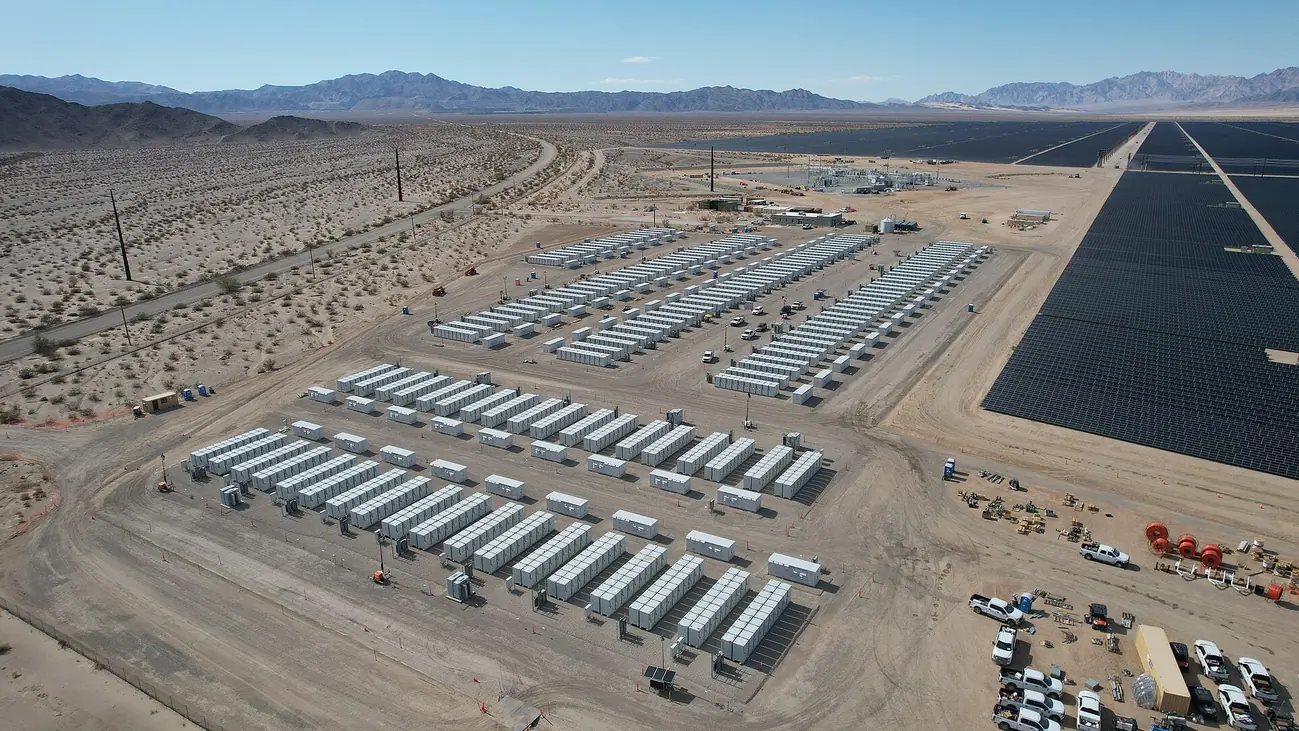
The most useful number for planning a containerized energy storage project is the all-in cost per installed MWh — not the cell price you read in the news. In 2026 that all-in figure for a turnkey DC container typically lands between $110 and $160 per kWh depending on cooling, protection, integration and the volume of the order. But the number is only meaningful if you know what is inside it. This breakdown shows where the money goes and what to compare when vendor quotes disagree.
Where the money goes
A containerized ESS is assembled from a small number of cost blocks. Battery cells and packs are the largest line, typically 40% to 55% of system cost. PCS, EMS and the control cabinet add roughly 10% to 15%. The container shell, HVAC, fire suppression, cabling and auxiliary systems run another 15% to 20%. Installation, engineering, grid connection, commissioning and soft costs (permits, financing, insurance) make up the remainder, and this last block varies most between projects. Understanding this split lets you read any vendor quote and see which line is driving the price.
Cell prices keep falling — and so does the battery block
LFP cell prices have fallen steadily through 2025 into 2026, and that flows directly into the battery block of a container quote. Falling cell prices are the main reason the all-in per-kWh number keeps dropping even as integration and safety costs stay roughly flat. When you compare a 2026 quote against an older one, the price gap is mostly the cells. But a low cell price means nothing if the supplier's integration, fire protection or warranty is thin — the two most common ways a "cheap" quote is really expensive are a narrower equipment boundary and a warranty without capacity retention.
Battery block: what is actually quoted
The battery block should specify cell chemistry and brand, cell grade (A cells are standard for utility projects), the pack and rack design, the BMS and its communication protocol, and the cycle life at the DOD you plan to use. Two quotes with the same kWh can differ 20% on this line alone if one uses a higher-grade cell and a deeper-cycle design. Ask for the cell datasheet and the capacity retention curve, not just the headline kWh. For a container system, also confirm whether the battery block price includes the container itself, the cluster boxes, and the internal cabling — vendors draw this line differently.
PCS and EMS block
The PCS block covers the power conversion equipment, and the EMS block covers the energy management system that runs the strategies. Confirm the PCS rated power, DC voltage range, efficiency curve and grid-code compliance for your market. Confirm the EMS supports the operating modes you need — peak shaving, TOU arbitrage, dispatch response — and whether remote monitoring is included. A quote that includes only the PCS power stages but not the EMS software, the monitoring gateway or the step-up transformer is missing a meaningful slice of the cost, and the difference shows up in the boundary line item.
Container, HVAC and fire protection block
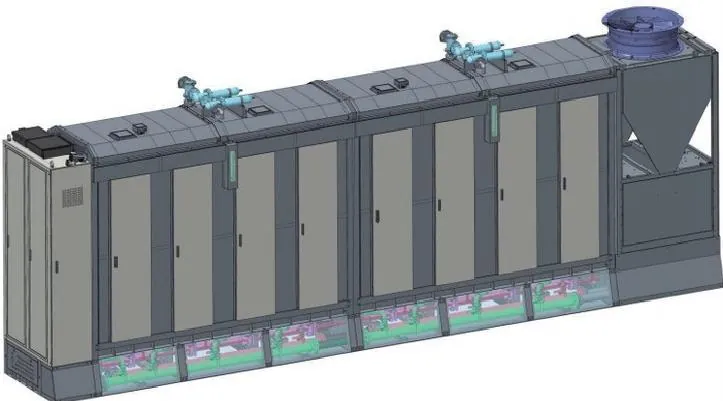
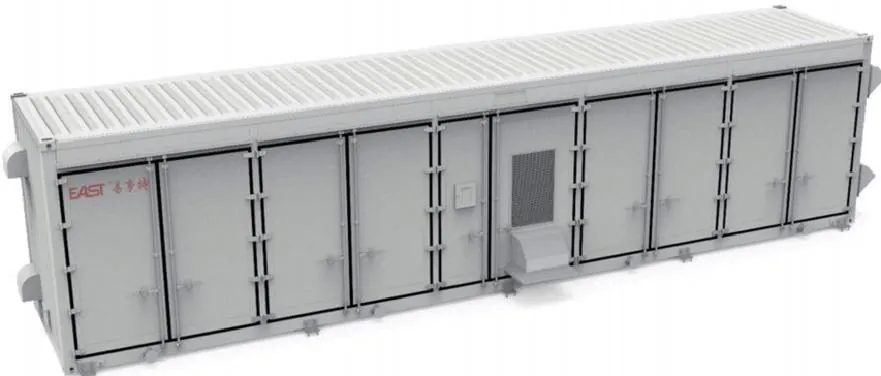
The shell and balance-of-system block is where quality shows most. Compare the container specification: insulation, ingress protection (IP) rating, HVAC capacity and whether it is sized for your ambient temperature, and the fire suppression design — gas detection, aerosol or water mist, and how it interacts with the battery and cooling systems. Salt and dust protection for coastal and desert sites changes this block too. This is the block where a thinner spec quietly cuts cost — and where a system failure years later often traces back to.
Installation and soft costs: the hidden variance
Installation, engineering, grid connection, commissioning and soft costs typically add 15% to 25% to the delivered price, and they vary more between projects than any other block. A container delivered to a port with an existing transformer and a trained local crew installs much cheaper than one needing civil works, a new transformer and an international commissioning team. When you compare quotes, fix the installation scope in the comparison — one vendor's "equipment only" quote is not comparable to another's "installed and commissioned" quote. Ask each vendor to quote the same delivered, installed and commissioned boundary, then compare.
Reading the all-in number: an example
Suppose two vendors quote a 5 MWh liquid-cooled container. Vendor A quotes $125/kWh all-in for equipment plus installation, using a top-tier cell and a comprehensive fire system. Vendor B quotes $105/kWh equipment-only, using a standard cell and listing fire suppression and EMS as optional. After adding the missing lines and the boundary normalization, Vendor B's real number is close to Vendor A's — and the two are no longer a 20% gap but a 5% difference decided by warranty and lead time. This is why the breakdown matters more than the headline: the number that counts is the normalized all-in cost per installed MWh.
How to get honest per-MWh numbers from suppliers
To get comparable numbers, send each supplier the same specification: target capacity in MWh, power in MW, cooling type (air or liquid), ambient conditions, target country and grid standard, delivery point and Incoterm, and the installation scope. Ask them to quote the same boundary — equipment plus container, fire, HVAC, PCS, EMS, transformer if required, and installation and commissioning if you want it included. Then ask for the warranty's capacity retention clause and the cell brand and grade. As a manufacturer of containerized battery energy storage — air-cooled and liquid-cooled — we quote this boundary by default and share the cell brand, grade and datasheet for the exact model in the quotation, so the number you see is the number you can plan with.