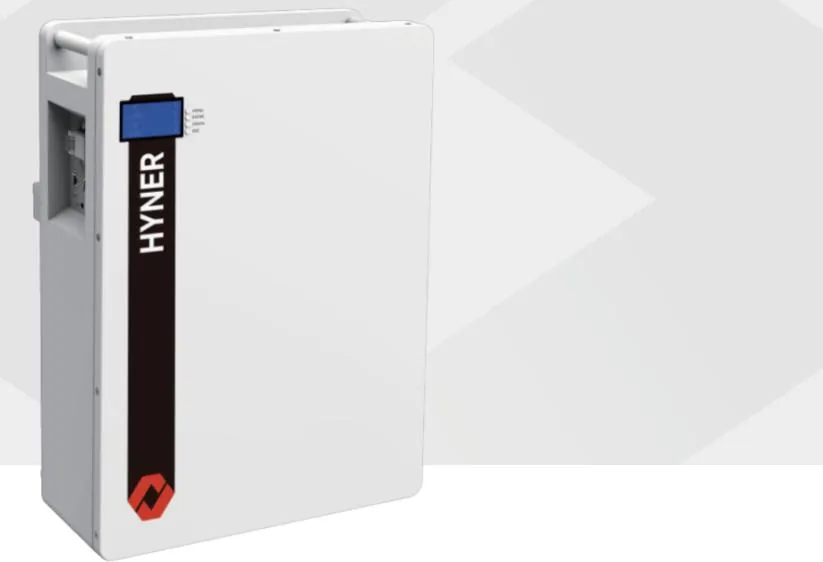
A useful home battery price for 2026 is between $350 and $600 per kWh of usable capacity for a complete installed LFP system, with battery-only pricing from wholesale factories sitting around $150 to $350 per kWh depending on brand, cell grade and capacity. The spread is huge because the price you see depends on what is inside it: the cell chemistry and grade, the BMS and electronics, the brand premium, the installer margin, and the installation cost itself. This guide breaks the price into its parts so you can tell what you are actually paying for.
The 2026 price picture, at a glance
Three numbers frame the market. Battery-only, wholesale factory pricing for a LFP home battery (wall-mounted or stackable, with BMS) typically lands around $150 to $350 per kWh depending on capacity, cell grade and order volume. A complete brand-name system — battery, hybrid inverter, smart controls and monitoring — sells at retail for roughly $800 to $1,200 per kWh before installation, with flagship brands at the top. The fully installed cost, including labour, permits and electrical work, commonly totals $1,000 to $1,500 per kWh for a residential installation. The gap between these numbers is where brands, installers and margins live — and it is why the same physical cell chemistry can appear in a $300 and a $1,200 per kWh product.
Cell chemistry: LFP is now the default
The single biggest driver of home battery cost is the cell chemistry, and in 2026 that means LFP (LiFePO4). LFP cells cost a little more per kWh than the cheapest chemistries but far less per useful cycle, because they last 4,000 to 6,000 cycles and hold their capacity for a decade of daily use. Falling LFP cell prices — driven by manufacturing scale and falling raw material costs — are the main reason home battery prices have come down steadily since 2023. NMC cells are lighter and denser but cost more and degrade faster, so they survive mainly in portable products and high-density niches rather than mainstream home storage. For buyers, the chemistry choice is not really about the upfront cell price; it is about the cost per kilowatt-hour over the system life, where LFP wins clearly.
Cell grade: A cells versus B cells
Within the same chemistry, cell grade is the second price lever. Grade A cells are manufactured to the tightest tolerance, meet the datasheet spec, and carry the full performance and safety documentation — they are the standard for reputable home battery brands. Grade B or grade C cells are cells that failed a batch test and are re-sold at a discount. A system built on B cells can be 15% to 30% cheaper, but the saving shows up as shorter cycle life, faster capacity fade and a higher warranty-claim rate. For a product that will sit in a home for a decade, the extra cost of A-grade cells is the cheapest insurance you can buy. Always ask the factory for the cell brand, the grade and the datasheet for the exact cell in the model quoted.
BMS, electronics and enclosure
Beyond the cells, a home battery is a small electronics system: the battery management system (BMS) that balances cells and protects against overcharge, over-discharge and over-temperature, the enclosure and thermal design, the communication interface with the inverter, and the mounting and cable kit. A quality BMS with active balancing, low-temperature charging protection and an open protocol costs real money and is the difference between a battery that lasts a decade and one that fails at year two. When comparing prices, check what is included at the boundary — some quotes cover only the battery pack, others include the wall-mount bracket, cables, breakers and monitoring. The cheapest quoted price is usually the narrowest boundary.
Brand premium: what names add
A large part of the price gap between a branded system and a factory battery is not the hardware — it is the brand. Established names carry certification and insurance acceptance, a proven app and warranty process, established installer networks, and marketing that consumers trust. That brand premium can double the price for the same physical chemistry. It is often worth paying when you need the ecosystem, the installers or the after-sales. But for distributors, installers and informed buyers, the same LFP cells, the same BMS features and the same certifications are available factory-direct at a fraction of the price, with the freedom to brand the product yourself. The trade-off is exactly the calculation this guide helps you make.
Installation cost: the part people forget
The installed price of a home battery is not the battery. Installation labour, permits, panel and breaker work, cabling, and sometimes an electrical service upgrade can add 20% to 50% on top of the hardware. In markets with high labour rates or mandatory certified installers, installation can dominate the bill. Before you compare battery prices, know your installation cost: get a quote from a local installer for the full job, then work backwards to what the battery itself is worth to you. Wholesale buyers and distributors should remember this too — the installed cost is what end customers feel, so a slightly higher-priced battery that installs faster and needs fewer custom parts can be cheaper in the field.
Capacity and configuration: price per kWh falls as size grows
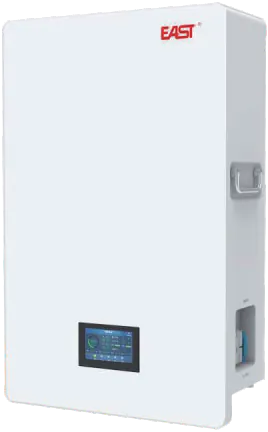
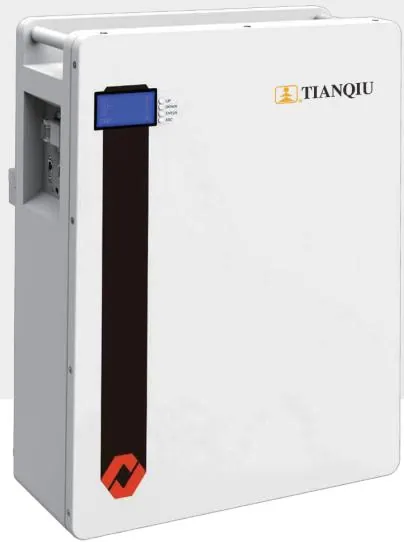
Home battery pricing has a clear scale effect: the price per kWh drops as the capacity rises, because the fixed costs — BMS, enclosure, mounting, inverter interface, certifications — are spread over more cells. A 5 kWh wall-mounted unit typically costs more per kWh than a 10 kWh unit, which costs more per kWh than a stackable modular system at 20 kWh. For buyers, this means right-sizing matters in both directions: do not oversize for cost, but do not undersize so far that you pay a per-kWh penalty on a tiny system. Distributors should plan a ladder of 5-7, 10-14 and 20-30 kWh configurations to capture the volume discount at every tier.
How wholesale buyers get the best price
If you buy home batteries in volume — as a distributor, installer network or brand — the price is negotiable on four axes. Cell grade: state that you require A-grade cells and get the datasheet in the contract. Volume: ask for a price ladder per model (for example 10, 50, 100 and 500 units) and confirm whether mixed orders earn the same tier. Customization: logo, packaging, firmware and manuals all have costs — ask for a written table per element before committing. Payment and Incoterm: 30% deposit with balance before shipment, or L/C for larger orders, and confirm whether the price is EXW, FOB or DDP, because freight and export formalities add to landed cost. As a LFP home battery manufacturer, we supply wall-mounted and stackable systems at wholesale pricing with OEM branding and project-level technical support — send us your target capacity and volume, and we will quote the ladder.
Should you wait for prices to fall further?
Battery prices have been falling for years, so a reasonable buyer asks whether to wait. The honest answer is that waiting rarely pays in home storage, because the saving per kWh is smaller than the energy, reliability and backup value the system delivers while you wait — and installation labour does not fall with cell prices. If your use case is real (outage backup, solar self-consumption, time-of-use arbitrage), the payback clock starts when you install, not when you buy. For wholesale buyers planning a product line, the bigger risk is inventory obsolescence from a falling market, so structure orders with price-validity clauses and shorter replenishment cycles rather than large single buys.