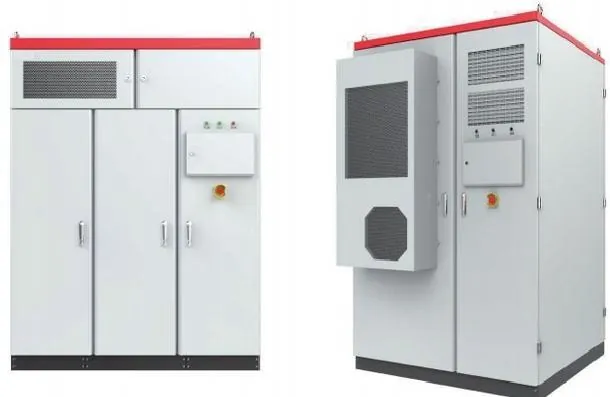
For many commercial and industrial facilities, the demand charge — the tariff component based on the highest power drawn in a billing period — is 20-50% of the electricity bill. A battery that shaves the peak for the minutes or hours it occurs can cut that charge directly, which is why demand charge management is one of the clearest ROI cases in commercial energy storage. This guide explains how the tariff works, how the battery shaves the peak, and how to estimate your savings before you buy.
How demand charges work
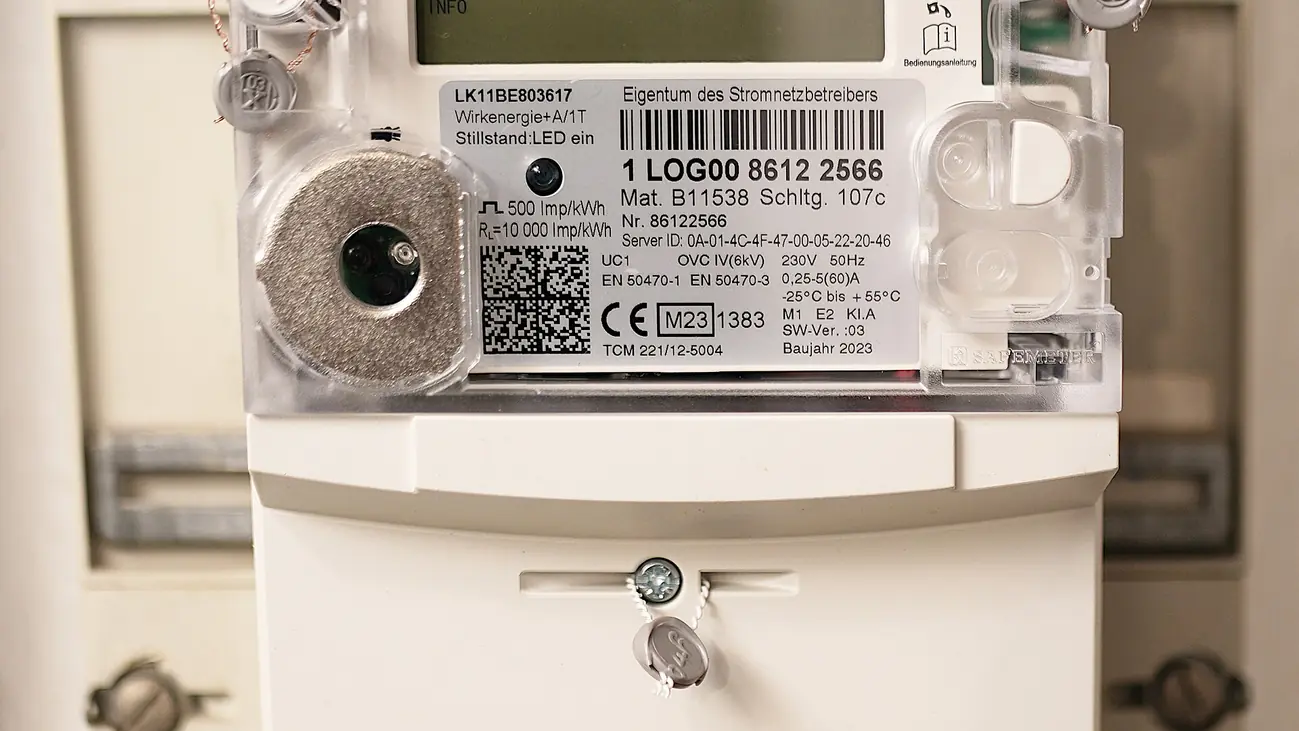
Most C&I electricity bills have two parts: an energy charge for the kWh you consume, and a demand charge for the kW you pull at your peak. The demand charge is set by your highest interval — typically the maximum average kW over a 15-minute window in the billing month — and is billed per kW at a rate that varies by utility and season. Because the charge applies to the single worst interval, shaving that one peak for even 15 minutes reduces the entire month's demand charge. This asymmetry is what makes storage so effective for peak shaving.
How the battery shaves the peak
The system predicts or detects the peak and discharges the battery during the highest-load interval, so the meter sees a lower draw. A 100 kW, 200 kWh battery can cap a facility's demand by 100 kW for about two hours, or by less power for longer. The EMS learns the load profile, applies a target demand cap, and releases energy only when the load approaches the cap — so the battery does not waste energy when the facility is below its limit. The result is a flatter load curve and a lower billed demand.
Estimating the savings
Two numbers drive the math: your monthly demand charge rate and the size of the peak you can shave. Suppose your facility peaks at 500 kW and pays $15 per kW of demand: the demand charge is 500 × 15 = $7,500 a month. If a battery shaves 100 kW off the peak, it saves 100 × 15 = $1,500 a month, or $18,000 a year. Compare that to the battery cost and you have a payback. The critical inputs are the demand rate, the peak-to-average ratio of your load (how often you hit the peak), and how many hours the battery must discharge to hold the cap.
Sizing the system
Size the battery power to the peak you want to shave and the capacity to the duration you need to hold the cap. A facility that touches its peak for 30-60 minutes needs power to cover the peak and capacity for roughly 1-2 hours at that power. The EMS decides when to discharge, so the battery needs enough capacity to cover the worst-case peak window plus a safety margin for a second peak event in the same billing period. As a rule of thumb, start with power equal to 20-30% of the peak demand and capacity for 1-2 hours at that power, then refine with a month of load data.
Beyond demand: stacking value
Demand charge management rarely works alone. The same battery can also shift energy from off-peak to peak periods, ride through short outages, provide backup, and improve power quality. Stacking these values is what pushes payback under three years in many markets. The EMS and the tariff structure decide how much of each value you can capture, so the configuration should be tuned to your utility's rate schedule, not to a generic default.
Decision guidance
Start by reading your bill: find the demand rate, the billed demand, and your load's peak-to-average profile. If the demand charge is a meaningful share of the bill and you have a sharp, recurring peak, a storage system sized to that peak is a strong investment. Model the savings against the system cost, and confirm the EMS supports demand-cap control with your utility's billing interval. As a manufacturer of all-in-one commercial storage systems with EMS, we can model your demand savings with your bill data and recommend the capacity and configuration.