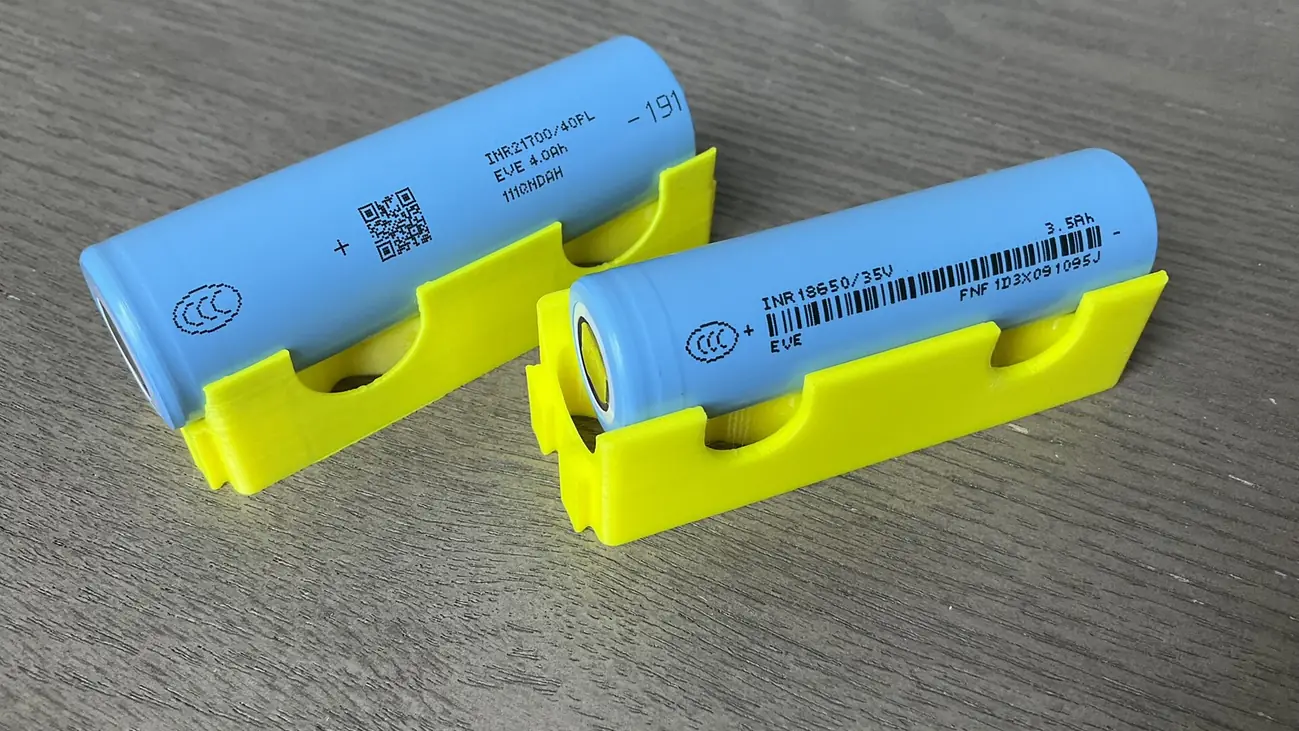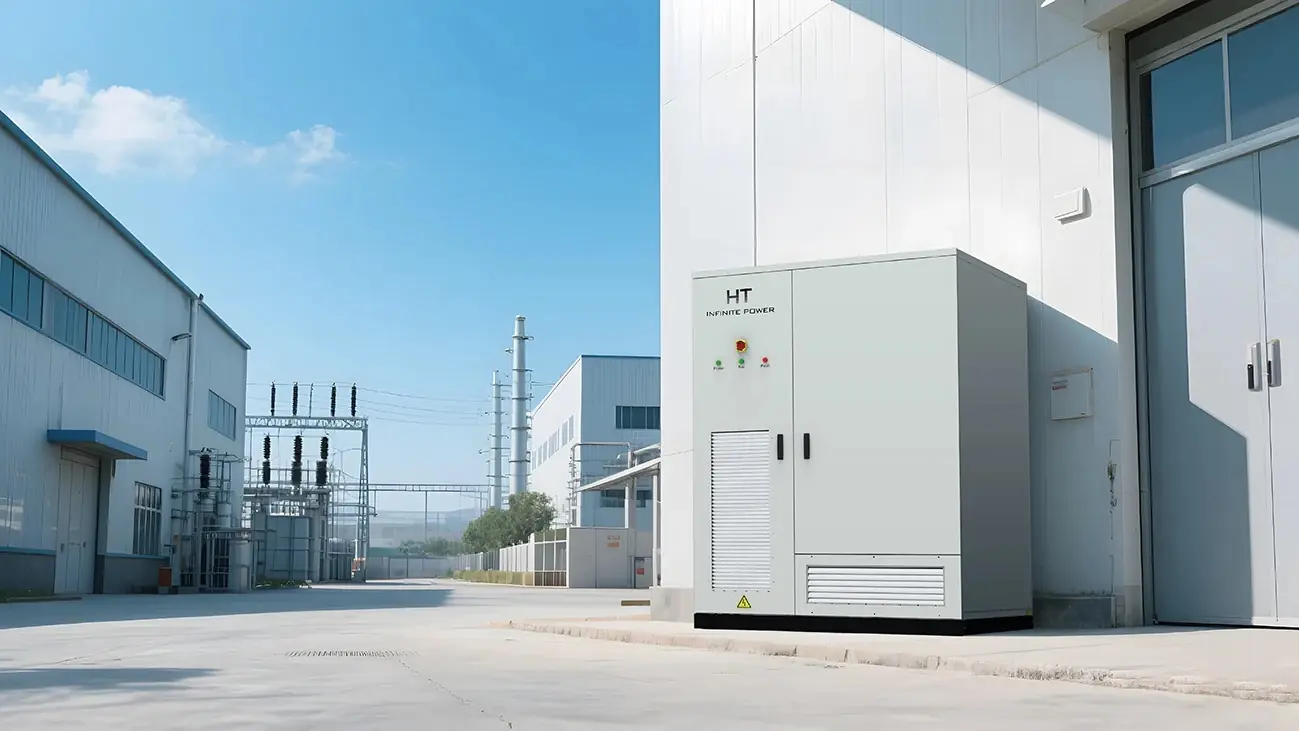
The battery and the inverter are a matched pair, and sizing them badly wastes money in both directions: an inverter too large for the battery sits underused, while a battery too large for the inverter never delivers its full capacity at the power you need. This guide explains the relationship between battery capacity, inverter power and the C-rate that connects them, so you can size a system that delivers the power you need without paying for overcapacity.
The relationship in one line
Battery capacity (kWh) tells you how much energy is stored; inverter power (kW) tells you how fast it can be released or absorbed; the C-rate ties them together, since the battery's maximum continuous power is its capacity times its C-rate. A 10 kWh battery at 0.5C delivers 5 kW continuous. If your loads need 8 kW, that same battery cannot provide it regardless of the inverter, unless the battery supports a higher C-rate. The inverter must match the smaller of your load requirement and the battery's deliverable power.
Understanding C-rate
The C-rate describes charge and discharge relative to capacity. A 1C battery can discharge its full capacity in one hour; 0.5C in two hours; 2C in thirty minutes. For home and commercial storage, common ratings are 0.5C and 1C. The continuous discharge power is capacity × C-rate, and the peak or surge power is usually higher for a short period. When you read "10 kWh, 0.5C", the continuous power is 5 kW. This one number prevents most sizing mistakes.
Matching inverter power to the load
The inverter's rated output must cover your essential or running load, plus a margin for motor start surges. If the inverter is too small, it limits or trips when you draw high power. If it is oversized, you pay for capacity you never use. A practical rule is to size the inverter to your peak load plus 20-30%, and to check both the continuous rating and the surge rating on the datasheet, because many loads — pumps, compressors, refrigerators — draw several times their running power at start.
Matching battery capacity to the inverter
The battery must be able to sustain the inverter's output for the duration you need. Three numbers matter: the energy you need per event (capacity), the power the inverter will draw at peak (which limits the C-rate you need), and the hours the load runs. A 5 kW inverter feeding a 3 kW average load for 3 hours needs about 9 kWh of usable energy plus margin. If the same inverter can pull 5 kW peak, the battery must also be able to deliver 5 kW continuously — a 10 kWh battery at 0.5C exactly meets it, but an 8 kWh battery at the same C-rate would not.
Reading a datasheet correctly
Four values on the datasheets settle the sizing: the battery's usable capacity at the rated depth of discharge, its continuous discharge C-rate and power, its peak or surge power and duration, and the inverter's continuous and surge output. Check whether the numbers are per module or per complete system, and whether the inverter's output is limited by its battery port. A common hidden constraint is that the inverter can charge and discharge the battery only at a fraction of its AC rating when the battery C-rate is the limit.
Decision guidance
Start from the load: total the running watts and the worst-case surge, then choose an inverter sized to the surge with margin. Then choose a battery with enough usable capacity for your desired runtime and a C-rate that delivers the inverter's continuous power. Verify the pair against the datasheets rather than assuming compatibility, and confirm the inverter and battery communicate on the same protocol. As a manufacturer of hybrid inverters and LFP batteries, we publish matched pairings with the battery capacity, C-rate and inverter output for each combination, and we can confirm the right pairing for your load profile.