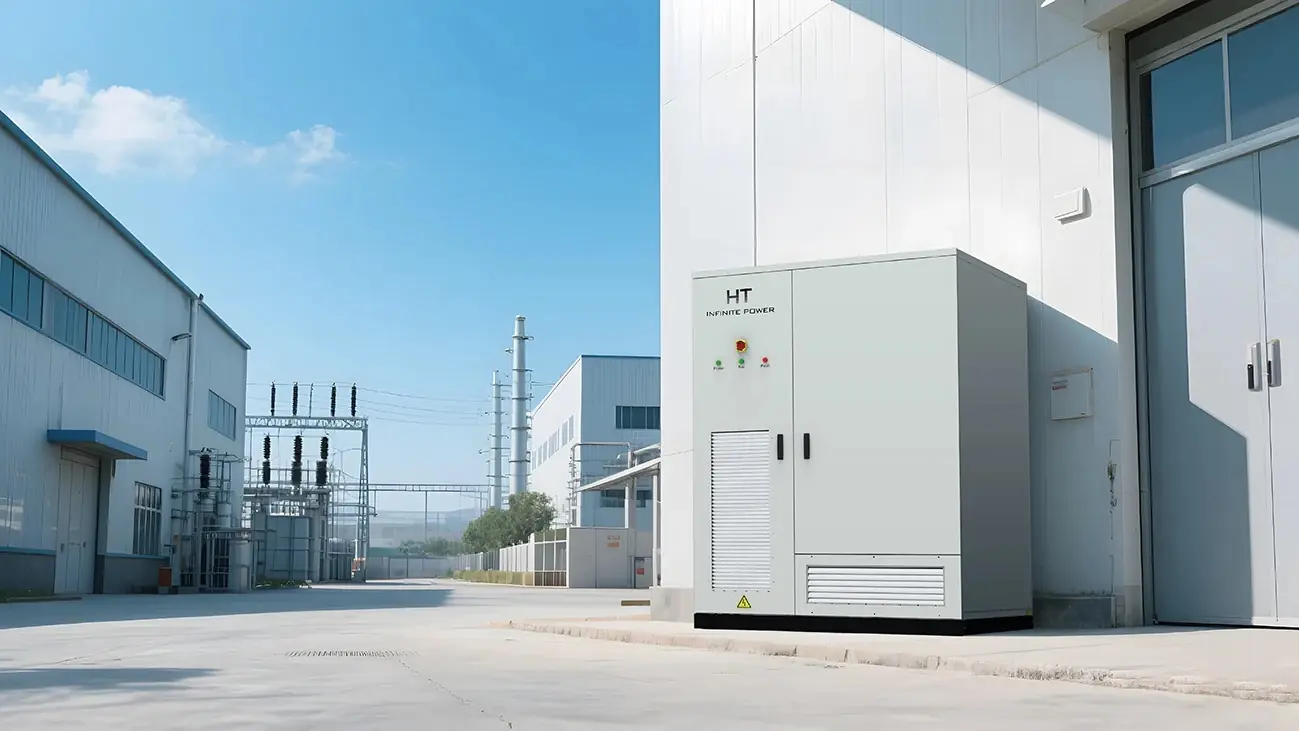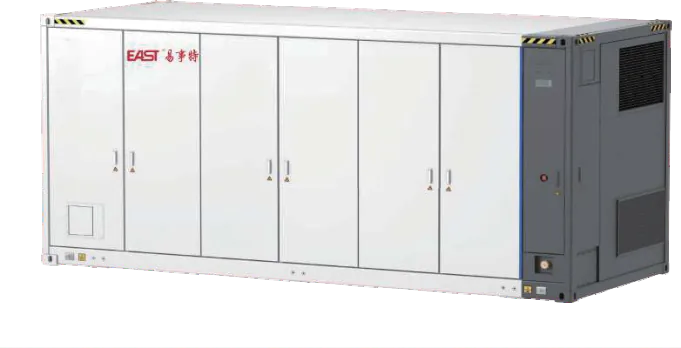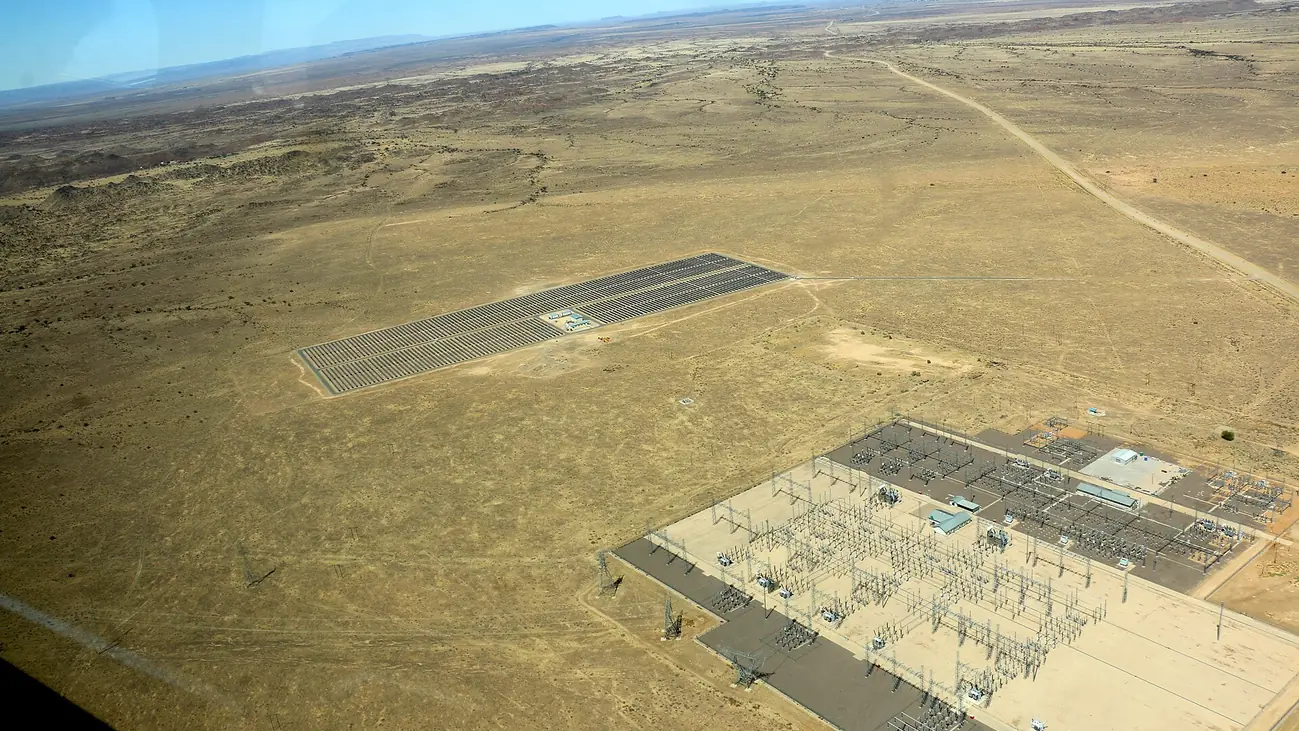
Front-of-meter battery energy storage — the containerized systems installed on the grid side of the meter — is the backbone of the modern power system's flexibility. It smooths solar and wind, provides frequency regulation and firm capacity, and shifts energy across hours. For project developers and utilities, understanding what these systems contain, what services they provide, and how they are specified is the difference between a successful project and a long integration headache. This guide explains front-of-meter BESS from the inside out.
What front-of-meter means
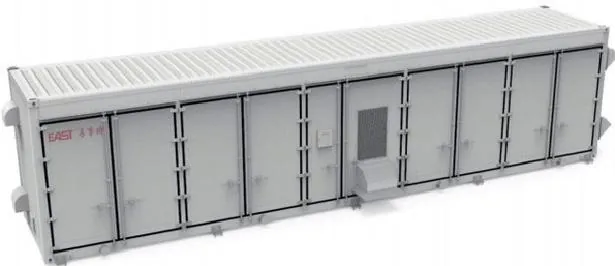
Behind-the-meter storage sits on the customer side and serves a building or factory. Front-of-meter storage connects to the distribution or transmission network, or to a renewable plant, and serves the grid. It is installed by utilities, independent power producers and developers, sized in MW/MWh, and deployed in containerized units — typically liquid-cooled, 1500V platforms that maximize energy density and efficiency. The customer of a front-of-meter system is effectively the grid operator or the market it trades into.
Core components
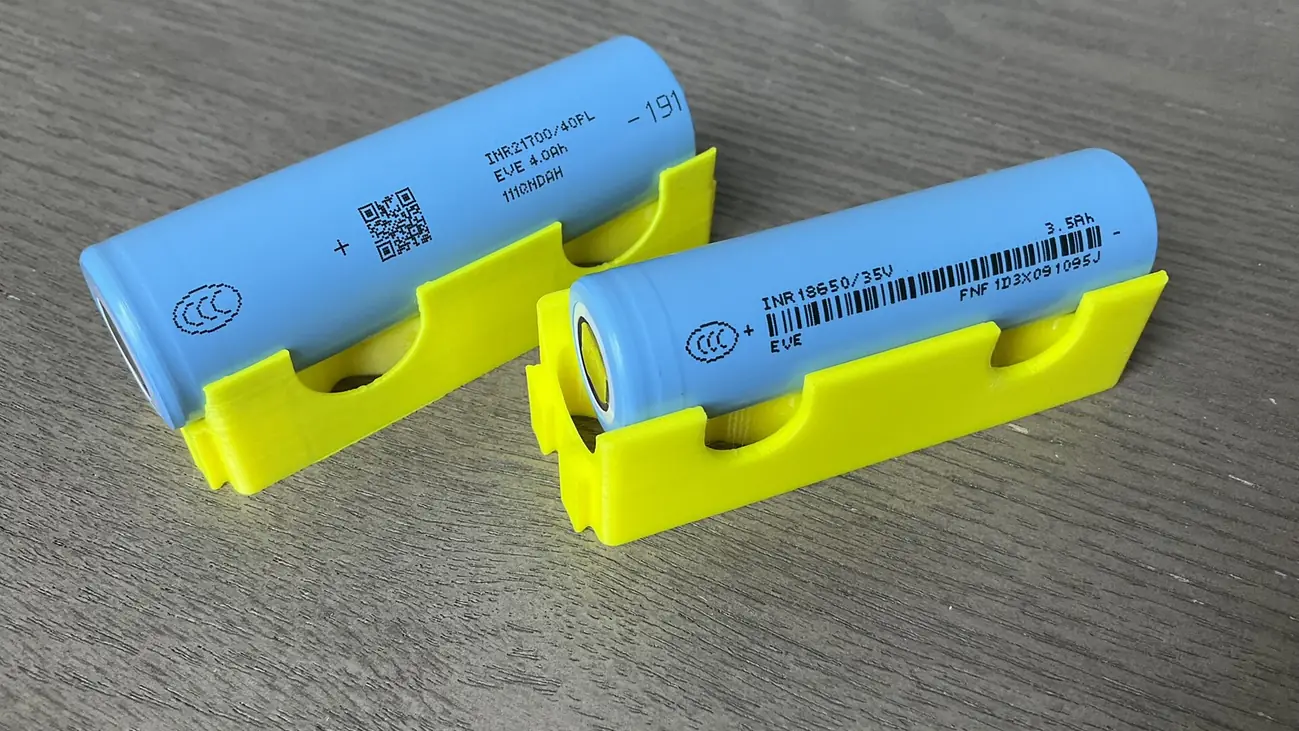
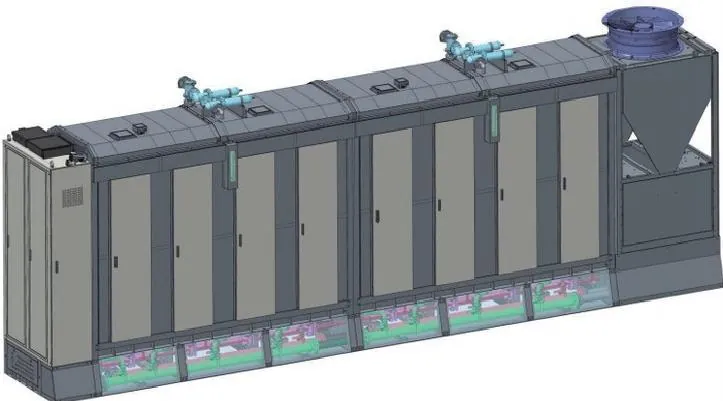
Every front-of-meter BESS is made of the same building blocks: battery racks inside containers, a power conversion system (PCS) or inverter, a transformer to step voltage up to the network level, an energy management and control system (EMS) that schedules charging and discharging, and a thermal system that keeps cells in their operating window. Fire suppression and monitoring are part of the container package, not an afterthought. The quality of the integration — how the EMS, PCS and batteries talk to each other and to the grid operator — determines most of the project's operational performance.
The services a BESS provides
One system can earn from several services. Frequency regulation responds in milliseconds to keep grid frequency stable. Energy arbitrage buys off-peak and sells at peak. Firm capacity and peaking power replace the need to build new gas peakers. Renewables firming smooths the output of solar and wind so the plant delivers a more predictable block of power. And black-start and voltage support strengthen the network. The revenue stack depends on the market design; in most markets a single BESS combines two or three of these services to maximize returns.
Why 4-hour systems dominate new projects
The industry is converging on 4-hour duration — a 100 MW, 400 MWh system — for new grid-scale projects. The reason is that capacity markets and grid needs increasingly value energy, not just power: a 2-hour system covers ramping but not the evening peak that follows a solar-poor afternoon. Four hours of duration lets the system discharge through the peak and recharge overnight, which is what makes it a capacity resource rather than an ancillary service alone. The trend toward longer duration is one of the clearest signals in the storage market.
1500V liquid-cooled architecture
Modern utility storage standardizes on 1500V DC platforms: higher voltage means lower current, smaller cables, fewer parallel strings and better efficiency, which cuts system cost per MWh. Liquid cooling has overtaken air cooling because it keeps cell temperatures uniform under high charge and discharge rates, extending cycle life and reducing derating in hot climates. These are the two technical trends a developer sees in nearly every serious quotation for a grid-scale system.
Procurement and delivery
Grid-scale procurement is formal: a tender or long-form contract with defined technical requirements, grid-code compliance, testing, commissioning and performance guarantees. Key items a developer must specify include the cell grade and manufacturer, the capacity retention warranty at year 10 or 15, the round-trip efficiency, the auxiliary consumption, the operating temperature range and the grid code the system must meet. Delivery runs in phases — factory acceptance tests, shipment of containers, on-site commissioning and a performance test against the guaranteed degradation curve.
Decision guidance
Start with the grid service you are targeting and the market rules, because they set the duration, power and control requirements. Then specify the system to the cell grade and quality agreement you can defend, and verify the manufacturer has delivered comparable projects with published performance data. Standardize on a 1500V liquid-cooled platform for new projects, and hold the vendor to a written capacity retention guarantee. As a manufacturer of containerized utility storage — including 1500V liquid-cooled and centralized systems — we publish datasheets, cycle curves and test reports for the exact models in our quotations, and we can support the grid-code and integration work with our engineering team.