Buying energy storage from China is only half the job — getting it certified, shipped and delivered on time is where importers most often stumble. Lithium batteries are classified as dangerous goods, certification varies by market, and lead times stretch from weeks to months depending on the product and volume. This guide walks through the certification, shipping and lead-time picture so you can plan an import that arrives on schedule and clears customs without surprises.
Certification by target market
Certification is market-specific and it gates both sale and customs clearance. Europe: CE marking plus the relevant standards — for batteries IEC 62619 and the battery regulation, and for systems the LVD, EMC and other directives as applicable; the UK requires UKCA. North America: UL 1973 for battery modules, UL 9540 for systems and UL 9540A for thermal propagation in the US, and CSA in Canada. Many markets also require UN38.3 for transport and country-specific grid-coupling rules for the inverter. Confirm the certification direction before ordering, because retrofitting certification after manufacture is expensive and slow.
Cell and battery transport rules
Lithium batteries ship as dangerous goods under Class 9, governed by UN38.3 testing and the shipping regulations — IMDG for sea, IATA/ICAO for air, ADR for road. UN38.3 is required before any shipment, and it must be valid for the exact cell and battery. The shipper prepares the test summary and the dangerous-goods documentation, and the packaging must meet the UN performance criteria. Batteries above certain energy limits face tighter rules and may require specialized transport; this is why air freight for large storage is usually not an option and sea freight is the standard.
Shipping practicalities
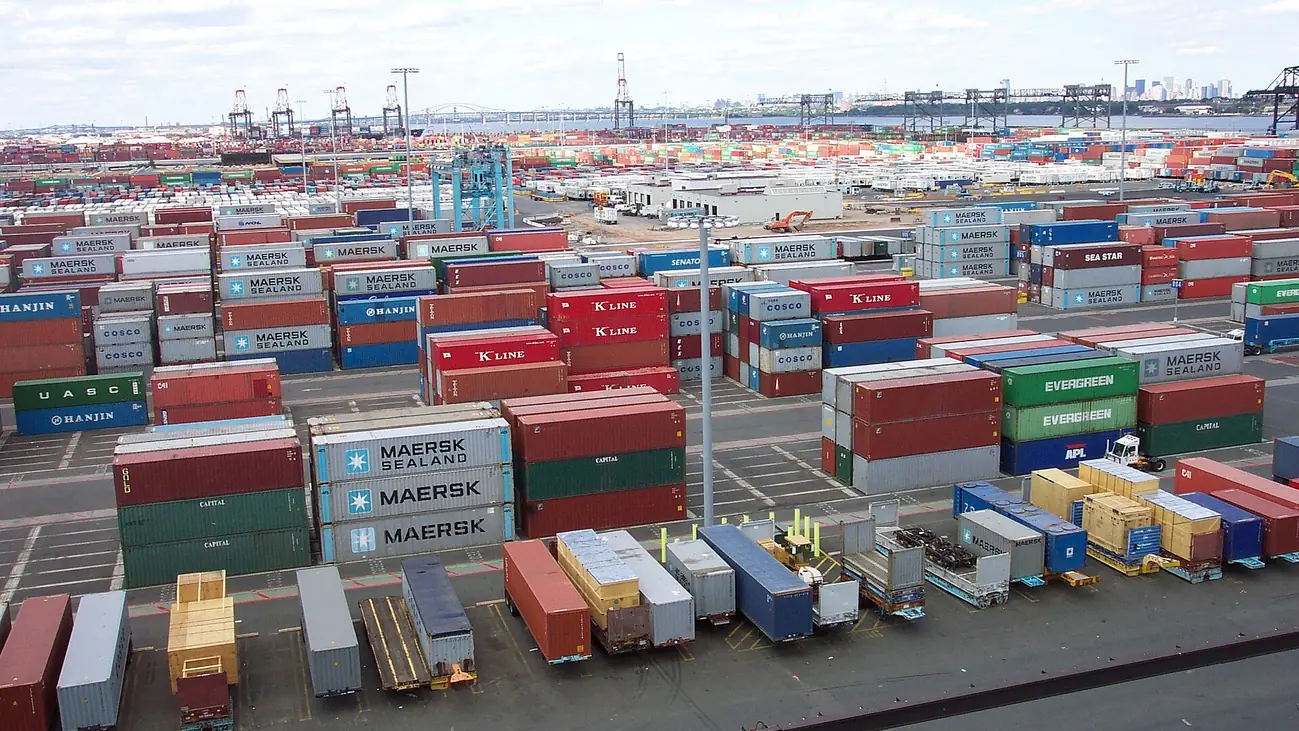
Most energy storage moves by sea as container cargo, packed to survive shocks and moisture over a multi-week voyage. Battery systems ship as Class 9 dangerous goods with the DG declaration, the UN38.3 test summary, the safety data sheet, the packing certificate, the commercial invoice and the bill of lading. Errors in the DG paperwork are the most common cause of customs holds and port delays, so a competent freight forwarder with battery experience is a real investment.
Realistic lead times
Lead time depends on the product and the order. Standard products with existing certification can ship in days to a few weeks after payment and production availability. Customized OEM/ODM orders — branding, packaging, firmware, new certifications — run 8-16 weeks for a full cycle including samples and pilot. New certifications add weeks or months depending on the test house. After production, sea freight to most destinations runs 2-6 weeks, and customs and inland transport add a week or more. The reliable way to hit a target delivery is to work backwards from the date: certification, production, shipping and customs are all milestones you can schedule if you know they exist.
Planning a trouble-free import
Start with a complete specification that names the target market, so the factory quotes the right certification direction. Confirm the UN38.3 status and DG classification before production. Use a forwarder that has shipped batteries, and check the documentation list against your destination's customs rules. Order samples early if you need local certification or pre-shipment inspection, and build buffer into the schedule for customs and seasonal port congestion. As a manufacturer, we coordinate certification documentation, UN38.3 testing and battery-experienced logistics on export orders, and publish the documentation checklist per market. Send your destination and quantity and we will confirm the certification, shipping and lead-time plan.