The honest answer to "how many kWh of home battery backup do I need" is: enough to run your critical loads for your target outage duration, plus a 20-30% margin. For most homes that lands between 5 and 15 kWh; for homes that want whole-house backup it climbs to 20-30 kWh. But the number is only useful once you know how much energy your appliances actually use — which is why this guide starts with the appliances, not the battery.
What a kilowatt-hour means in your house
A kilowatt-hour (kWh) is the energy a 1,000 W appliance uses in one hour. That single definition makes the whole sizing problem a multiplication: energy = watts x hours. A fridge drawing 150 W runs for 24 hours but cycles on and off, so it uses roughly 1 to 1.5 kWh per day. A router drawing 15 W uses 0.36 kWh per day. A heat pump drawing 2,000 W while running uses 2 kWh per hour of operation. Once you frame every load this way, the backup capacity you need is simply the sum of your critical appliances' energy over the hours you want them to run.
Appliance energy cheat sheet
These are typical daily energy numbers you can use for planning (actual values depend on your appliances and climate). Fridge-freezer: 1-1.5 kWh/day. LED lighting for a house: 0.3-0.5 kWh/day. Router, modem and small devices: 0.3-0.5 kWh/day. Security system and cameras: 0.2-0.4 kWh/day. Chest freezer: 1-2 kWh/day. Heat pump (space heating/cooling): 8-20 kWh/day when used heavily. Water heater: 4-8 kWh/day. Electric oven, cooktop, kettle: 1-2 kWh per use. EV charging: 7-15 kWh per full charge. Add up the appliances you actually need during an outage — most homes find the essential list is surprisingly small.
Scenario table: what different homes need
Three reference scenarios make the number concrete. Scenario A — essentials only (fridge, lights, router, security, phone charging): about 3-4 kWh/day of critical load, so a 5-7 kWh rated battery provides roughly 24 hours of backup after accounting for usable capacity. Scenario B — essentials plus a freezer, TV, laptops and a small sump pump: about 7-8 kWh/day, so a 10-14 kWh battery provides a day of backup and handles a longer multi-day outage with solar recharging. Scenario C — whole-house backup including heat pump, water heater and cooking, used sparingly: 15-25 kWh/day, so a 20-30 kWh system or a modular stack covers it. Match your home to the scenario that looks closest, then adjust by the actual appliances you put on the backup circuit.
The 20-30% margin, and why it matters
Whatever number you compute, add 20-30% before you buy. Three things eat the gap. First, real batteries deliver 80-90% of rated capacity — the rest is unusable or reserved. Second, batteries degrade over the warranty period, so the capacity at year eight is less than at year one. Third, your load estimates are optimistic: outages bring surprises, and running the kettle or a space heater for an hour draws far more than the plan assumed. Buy the battery that covers your computed number with margin, not the one that exactly equals it — the cost difference between 10 and 12 kWh is small compared with running out of power at hour 20 of an outage.
Daily cycling vs pure backup changes the size
How the battery is used changes how big it should be. If you want backup plus daily solar self-consumption — charging from daytime solar and running the house in the evening — the battery should be sized to your typical evening energy draw, which for many homes is 8-15 kWh, and the backup duration becomes a secondary constraint. If the battery is purely an emergency backup and rarely cycled, size it to the critical loads and outage duration only, and it can be smaller. Be clear with your installer which use case you are planning for, because the same battery sized for both uses is different from one sized for either alone.
Solar changes the equation
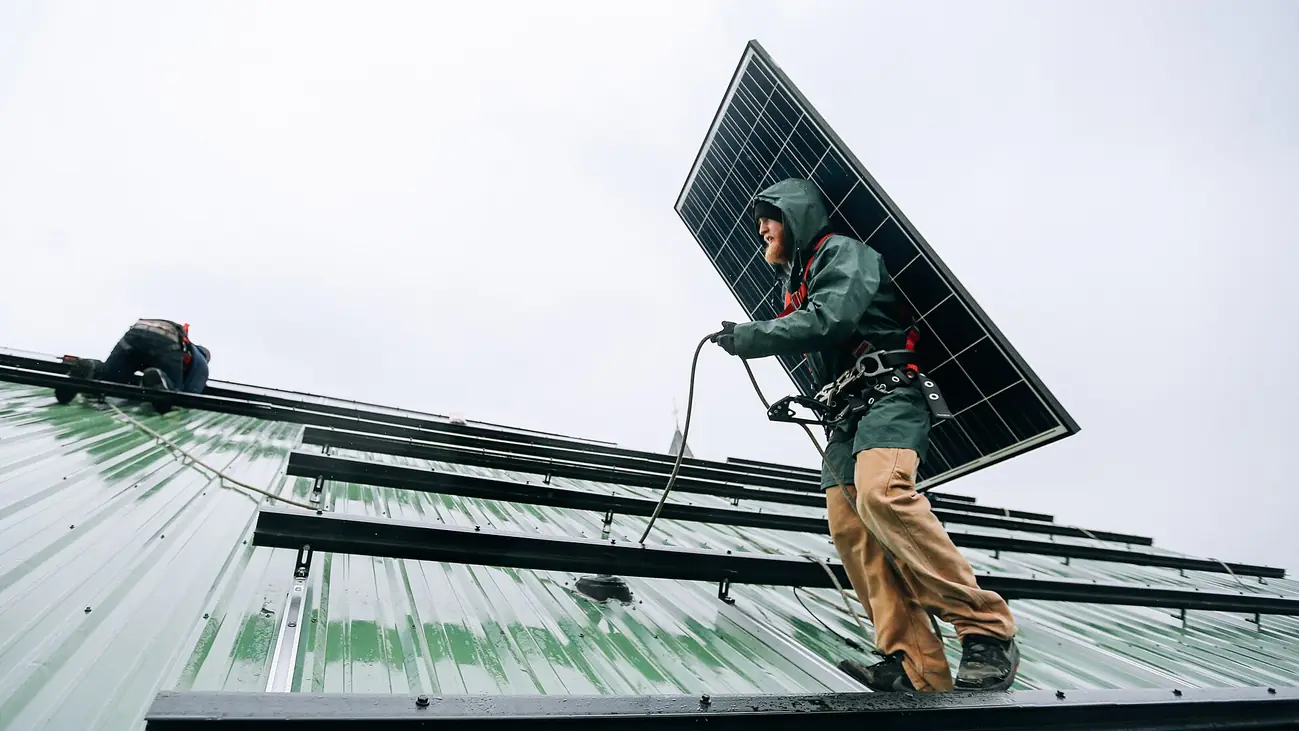
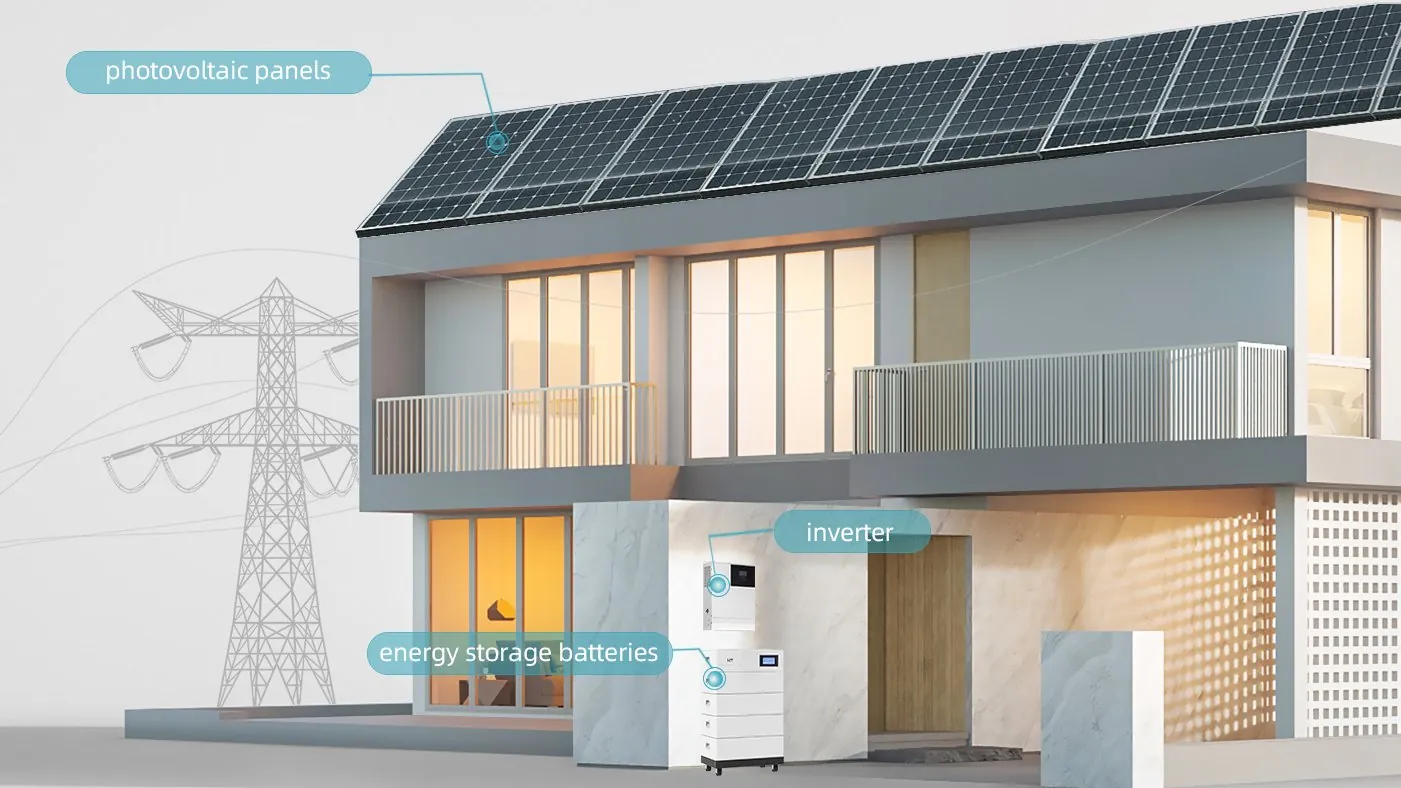
A battery without solar runs down and stays down until the grid returns. A battery with solar effectively recharges in daylight, so a modest 10 kWh battery can carry an off-grid home through days of partial outages as long as the panels refill it each day. If you have or plan solar, size the battery to the largest daily load you need to survive and let the panels handle the rest; if you have no solar and want to survive multi-day outages, size the battery to the full outage duration you want to cover, because every kilowatt-hour must come from the stored reserve. This is the biggest single factor that separates a 5-10 kWh backup from a 20-30 kWh system.
High-draw appliances: power, not just energy
Capacity in kWh is only half the story; power in kW is the other half. A battery that stores plenty of energy still cannot run loads that exceed its inverter's continuous rating. A heat pump or water heater drawing 2,000-3,000 W needs an inverter and battery that sustain that power, and startup surges can be two to four times the running draw. When you plan a whole-house backup that includes a heat pump, confirm the battery's continuous and peak output against the appliance's running watts plus surge — otherwise the battery runs out of power while still full of energy.
Modularity: start right-sized, expand later
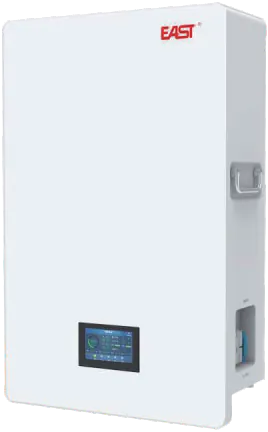
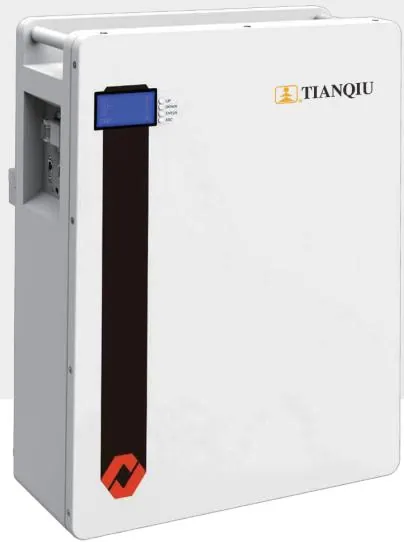
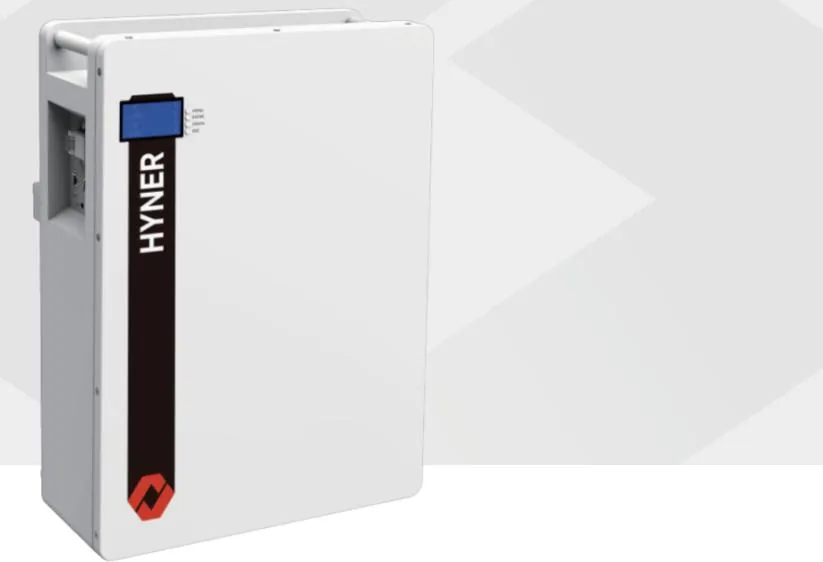
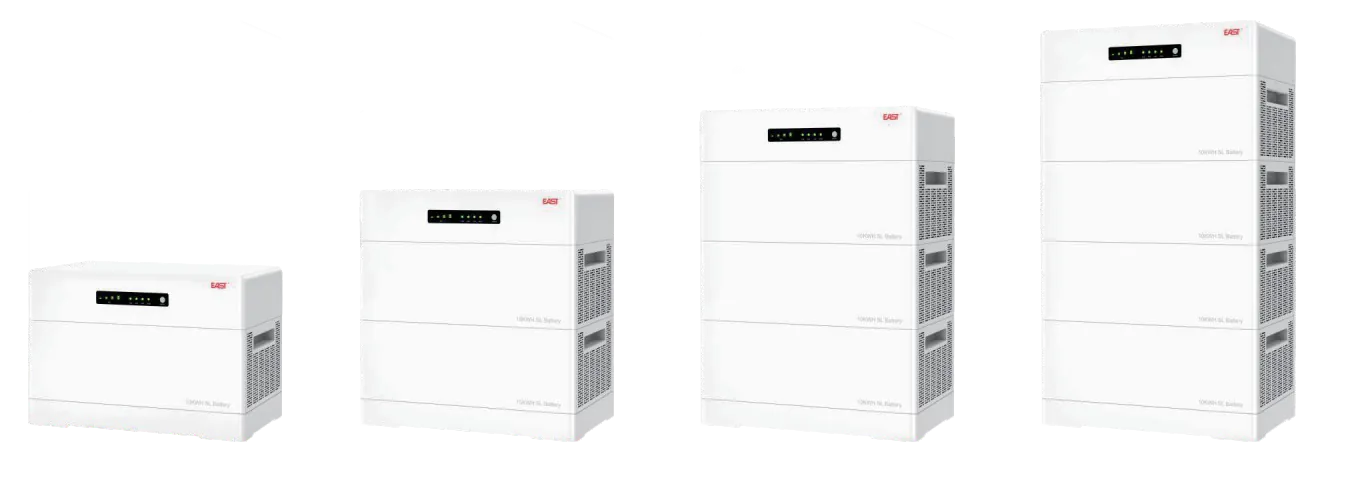
Because homes and needs change, the practical approach is to start right-sized for your current essentials and choose a battery that can expand. Stackable or modular batteries let you add capacity later without replacing the inverter or rewiring — you buy 10 kWh now and stack another 10 kWh module when you add a heat pump or EV. Confirm the maximum stack size the battery supports, whether expansion is plug-and-play, and whether the warranty extends cleanly to the added module. Distributors and installers should carry one modular line plus one or two fixed-capacity wall-mounted units to cover the whole range of homes with a small number of SKUs.
The quick calculation, end to end
Here is the whole method in four lines. Add the daily energy of your critical loads (fridge + lights + router + security ≈ 2-3 kWh, or more if you add appliances). Multiply by the outage hours you want as a fraction of a day, or just target a full day of backup. Add 25% for degradation and optimism. Round up to the nearest available battery size — a 5-7 kWh unit for essentials, 10-14 kWh for typical homes, 20-30 kWh for whole-house. We manufacture LiFePO4 home batteries — wall-mounted and stackable — with BMS, and we will confirm the exact kWh configuration for your load list and outage profile at wholesale pricing for installers and distributors.