Getting a quote from a China energy storage factory is not a one-line email asking for a price list. Every reputable factory — including ours — needs a few key facts to size the system, choose the right product tier and return an accurate number. The better your inquiry, the faster and more reliable the quote. This guide walks through exactly what to prepare, what a professional quotation should contain, and how to compare suppliers without getting misled.
Why "please send price list" gets a slow reply
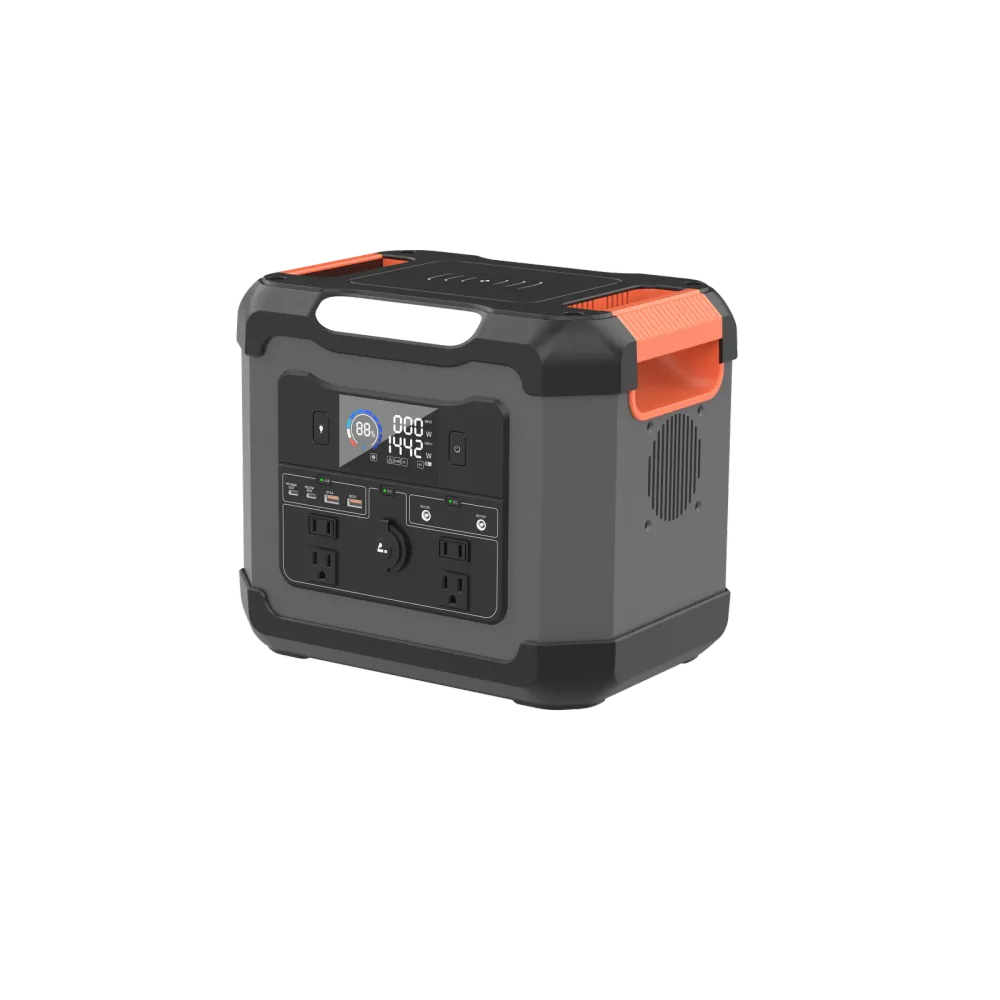
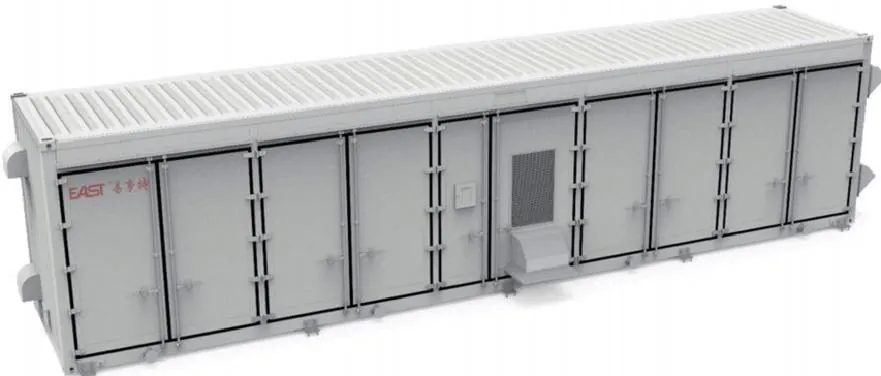
A storage factory sells dozens of product lines: portable power stations, home batteries, C&I cabinets and containerized systems. Each line has its own capacity, voltage, cooling and certification variants, so there is no single "price list" that applies to your project. A vague inquiry forces the sales engineer to guess your application, which usually means a slow reply, a generic ballpark figure, or a follow-up request for the details they needed in the first place. The most efficient buyers send a structured inquiry once, with the load profile, target country, quantity and delivery date, and get back a specific configuration with a firm price.
Prepare these 7 pieces of information
Before you write the email, collect the following. Application and goals — peak shaving, PV self-consumption, backup power, portable power for camping, or utility-scale arbitrage. Target country and grid standard — single-phase or three-phase, voltage and frequency, certification direction (CE, UL, UN38.3, etc.). System size — target capacity in kWh and power in kW, or the loads you need to cover. Quantity — one unit, a pilot batch or a container order; this directly changes MOQ and unit price. Site conditions — indoor or outdoor, ambient temperature range, installation space. Delivery timeline — when you need it on site and whether you plan by air or sea. Budget and payment preference — target price range and whether you prefer T/T, L/C or other terms. That is roughly the content of a good one-page inquiry, and it is the single biggest lever on quotation speed.
What a professional quotation should contain
A serious factory reply is not a number in an email. A professional quotation lists the equipment boundary: battery capacity and chemistry, PCS or inverter power, EMS and monitoring, cooling system, protection rating and certifications included. It states commercial terms — unit price, MOQ, lead time, Incoterm (EXW, FOB or DDP), payment schedule and price validity period. It defines what is included and what is extra: packaging, cables, spare parts, installation support, warranty years for cells, PCS and the whole system. If a quote is just "200 USD/unit" with nothing else, treat it as a placeholder, not a real quotation.
How long does a quote really take
For standard products, most factories respond within one to three working days once they receive the full inquiry. If the project needs engineering — a custom capacity, a special certification or an OEM/ODM modification — allow one to two weeks for a detailed proposal. If you have not heard back within three working days on a complete inquiry, follow up; high-volume periods (typically September to November and before Chinese New Year) stretch response times. A factory that answers a complete inquiry with a complete quotation in two days is a strong signal of a professional sales process.
MOQ, lead time and payment terms
Three commercial terms dominate B2B energy storage buying. MOQ — confirm whether the minimum applies per model or per mixed order; customization (logo, packaging, firmware) usually raises the MOQ. Lead time — standard portable power and home battery orders typically ship in 15 to 40 days after deposit; C&I cabinets and containerized systems take 20 to 45 days, longer with OEM customization. Payment — the common structure is 30% deposit and 70% before shipment for new customers, or L/C for larger orders; confirm the Incoterm early, because inland freight and export formalities can add significantly to landed cost.
How to compare quotations fairly
Quotations only compare when the boundary is the same. Normalize three things first. Scope — one quote may include the PCS, container shell, fire suppression and commissioning; another may price the battery cabinet only. Ask each supplier to quote the same delivered and installed scope. Quality — a cheaper quote may use a lower-grade cell, a thinner cabinet or a shorter warranty; ask for the cell brand and grade, cycle life at the target DOD, and the capacity retention guarantee. Commercials — confirm the Incoterm and what is inside the price: packaging, spare parts, training, certification copies. When everything is normalized, you compare prices that mean the same thing.
Red flags in factory quotations
Watch for a few patterns. A unit price dramatically below the market usually means a lower component grade or a boundary that excludes essential items. An MOQ that changes after the first order locks you into a relationship you did not plan. A warranty described only as "10 years" without a capacity retention clause is nearly meaningless — the guarantee matters as much as the term. A refusal to share the cell brand, datasheets or test reports is a strong warning. And a factory that cannot name the specific product certifications for your market is probably quoting from a catalog, not from its own production line.
Verifying a supplier before ordering
Before the first large order, run three checks. Certifications — ask for ISO 9001 and ISO 14001 certificates and the relevant product certificates for your market, and verify them on the certification body's website. Factory visit or video audit — a live video walk-through of the production line, aging room and warehouse separates a manufacturer from a trader. Reference projects — ask for completed projects in a market similar to yours and, where possible, contact the customer. Then place a small pilot order — even one unit — and check the delivered hardware against the datasheets, run an aging or function test, and keep the results as the acceptance baseline for the batch.
Why factory-direct beats going through an agent
Buying directly from the manufacturer means the sales engineer can discuss configuration, the quote reflects the factory's real cost structure, and warranty claims have a single responsible party. OEM/ODM customization, such as branded cabinets, tailored EMS screens or private label packaging, is only practical with the factory itself. You also get direct access to documentation, firmware updates and spare parts over the life of the system. If an agent is involved, ask who answers engineering questions and who honors the warranty — the answer decides whether the discount is worth the distance.
Getting an accurate quote from us
As a Chinese energy storage manufacturer with in-house production of batteries, PCS and cabinets, we quote complete systems, not line items. Send us the seven pieces of information above through the contact form and we will return a structured quotation with the equipment boundary, commercial terms and delivery schedule, typically within two working days. For channel partners, we support pilot orders, OEM/ODM customization and project references in your region. The clearer your inquiry, the faster and more accurate your quote.