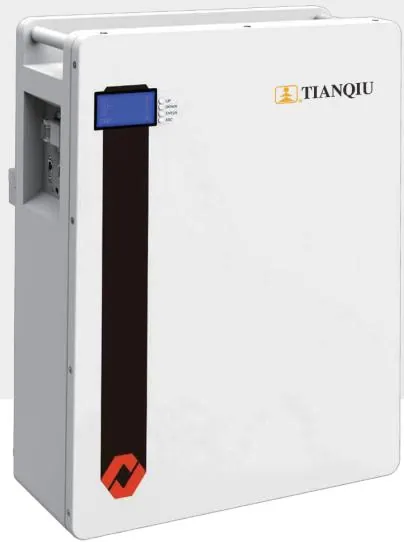
Adding a battery to an existing solar system is one of the highest-value upgrades a homeowner can make, but only if the battery and inverter are sized to the system that is already on the roof. The goal is not to match the array nameplate but to match three things: the energy your home actually uses at night, the loads you want to back up, and the inverter's power limits. This guide walks through the sizing steps so you can specify the right battery capacity, the right inverter power, and the right coupling method for your system.
Step 1 — understand your consumption
Start with your electricity bill and, ideally, a year of hourly data. The number that matters for battery sizing is your night-time and evening consumption — the energy drawn from the grid after the sun goes down. On a typical home that is 5-15 kWh depending on family size, heating and EV use. Multiply your evening usage by how much of it you want to shift, and that is your target battery capacity. If you mainly want backup, size instead to the essential loads from an outage load table, which is usually smaller than your night-time consumption.
Step 2 — check the coupling options
Two coupling paths exist. AC coupling adds a battery-ready hybrid or battery inverter alongside your existing solar inverter, so the two work in parallel and your existing PV keeps operating. DC coupling replaces or integrates the inverter so the battery sits on the DC side of the solar charger. For retrofits, AC coupling is the common path because it does not touch the existing solar inverter. The deciding factors are whether your current inverter is battery-ready, how old it is, and whether you plan to replace it anyway. If the solar inverter is near end of life, replacing it with a hybrid inverter that supports both PV and battery is often the cleaner solution.
Step 3 — size the inverter power
The inverter must handle two jobs: charging the battery from solar or grid, and feeding the essential loads during backup. As a rule, the hybrid inverter's rated output should cover your essential-load peak — usually 3-6 kW for a typical home — plus a margin for motor start surges. The battery's discharge C-rate also matters: a 10 kWh battery with a 0.5C rating delivers 5 kW continuous, which sets the ceiling for what the battery alone can power. Match the inverter output to the smaller of your load peak and the battery's deliverable power.
Step 4 — size the battery capacity
Two rules of thumb. For self-consumption, aim to shift most of your evening load: 10-15 kWh is typical. For backup, size to your essential loads and desired autonomy: fridge, lights and internet on 3 kWh across the night needs about 5-10 kWh usable, and more for multi-day coverage without solar. Check the usable capacity at the rated depth of discharge, not the nominal figure, and remember that in winter with short days the same battery covers fewer hours. Sizing slightly large is safer than discovering a four-hour gap in February.
Step 5 — check compatibility and certification
Before ordering, confirm the battery and inverter are designed to communicate — most modern batteries pair with a matching brand's hybrid inverter over the same protocol, which is why matching brands is the low-risk path. Confirm the certification matches your market, the battery voltage range fits the inverter's DC input, and the installer confirms the panel and subpanel layout for backup circuits. A mismatch is the most common reason a battery needs a second inverter or a rewire after delivery.
Decision guidance
If your existing solar inverter is healthy and you want a simple retrofit, add an AC-coupled battery and keep the solar inverter. If the inverter is old, replace it with a hybrid inverter sized to your backup load and pair it with a battery sized to your night-time or essential load. Whichever path, size the battery to your actual numbers, not the array nameplate, and keep a 10-20% margin on capacity.
As a manufacturer of LiFePO4 home batteries and hybrid inverters, we can recommend the matching battery capacity and inverter model for your existing PV array. Send your array size, annual consumption and outage requirements, and we will confirm the pairing.