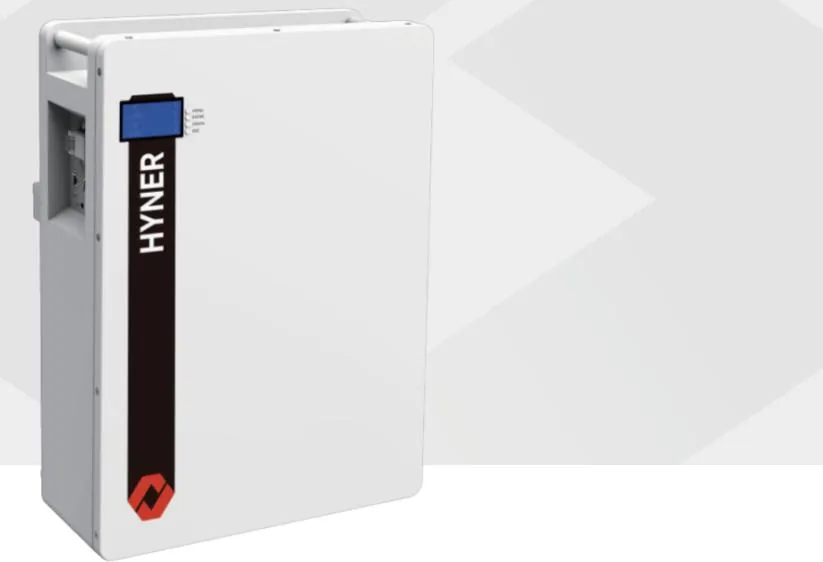
The short answer: a 2 kWh (2000 Wh) solar battery can run a TV, LED lights, a fan and phone charging for a full evening — and with solar panels to recharge it during the day, it keeps those essentials running every single day. For families in Africa, Southeast Asia and other regions where the grid is unreliable, 2 kWh is the most affordable size that actually changes daily life: lights stay on when the grid drops, the TV keeps playing, phones stay charged and the fridge keeps food safe. Here is exactly what a 2 kWh system can and cannot do, appliance by appliance.
What "2 kWh" actually means
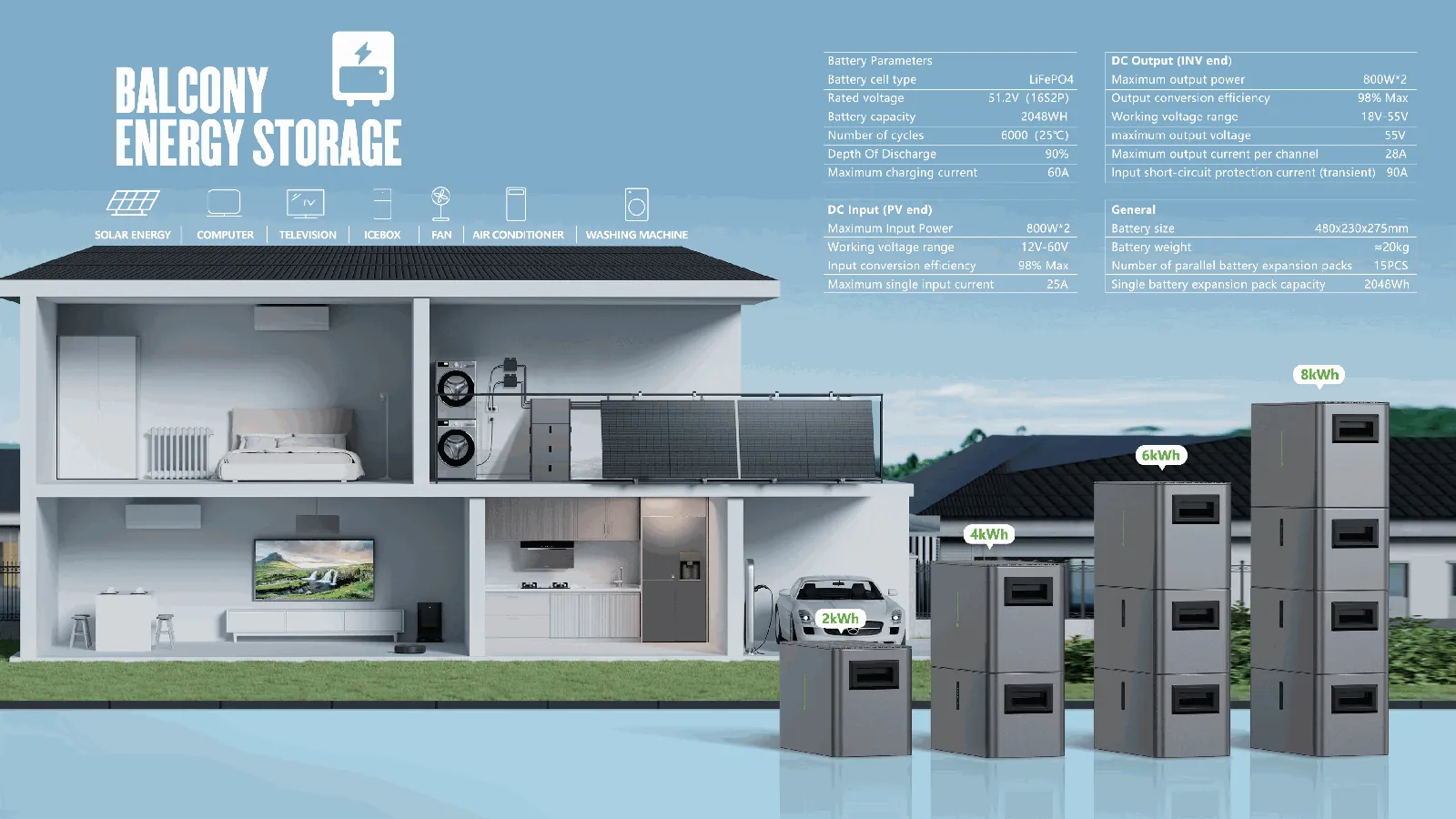
A 2 kWh battery stores 2000 watt-hours of energy. In practice you cannot use all of it: a well-designed LiFePO4 system protects the cells by limiting discharge, so the usable energy is about 80% — roughly 1.6 kWh per full cycle. Every runtime figure below is calculated on that realistic usable capacity, not on the marketing number. A second number to understand is power: most 2 kWh home systems deliver around 1000 to 2000 W continuous output, which is plenty for lighting, TV, phone chargers and small appliances, and too little only for heavy draw devices such as kettles, irons or air conditioners.
The appliance runtime table
Here is what a 2 kWh battery runs and for how long, for one appliance alone:
- LED light bulbs (10 W each) — about 160 hours: months of evening lighting.
- Phone charger (15 W) — about 100 hours: months of charging, or a whole neighborhood of phones.
- LED TV (80 W) — about 20 hours: an evening of TV every day for weeks.
- Fan (60 W) — about 25 hours: a full night of cooling.
- Laptop (60 W) — about 25 hours: days of work or school use.
- Wi-Fi router (10 W) — about 160 hours: keeps the connection up through outages.
- Small refrigerator (average 50 W) — about 30 hours: a fridge can run through the night and most of a day.
Read together, these numbers describe the real use case of a 2 kWh system: lights, TV, fan, phone and internet — the load profile of a typical family evening — plus a small fridge that cycles on and off throughout the night.
A real family evening on 2 kWh
Imagine a typical evening in a home with unreliable grid power. The grid drops at 7 p.m. You switch on the battery: four LED bulbs (40 W), a 32-inch LED TV (60 W), a ceiling fan (50 W) and two phones charging (30 W). Total load: about 180 W. From 1.6 kWh of usable energy, that is nearly nine hours of continuous power — the entire evening, through the night and into the next morning. Add a small fridge cycling at 50 W average and the same evening drops to about six hours, which still covers the outage window in most regions. That is the honest capability of 2 kWh, and for the majority of families it covers exactly what they need when the grid fails.
Can a 2 kWh battery run a refrigerator?
Yes, with one condition: the fridge must be small and the battery must be recharged during the day. A modern inverter fridge of 100 to 200 liters draws about 60 to 150 W while running and averages 40 to 60 W over a day. From 2 kWh, a 50 W average fridge runs about 30 hours before empty. In practice a family uses the fridge together with lights and TV, so plan on the battery lasting through the night and the solar panels topping it up during the day. If the fridge is the priority load, size up to 3 kWh or 5 kWh to add comfortable margin — the table on our 5 kWh page shows what the larger systems carry.
How many solar panels to charge a 2 kWh battery
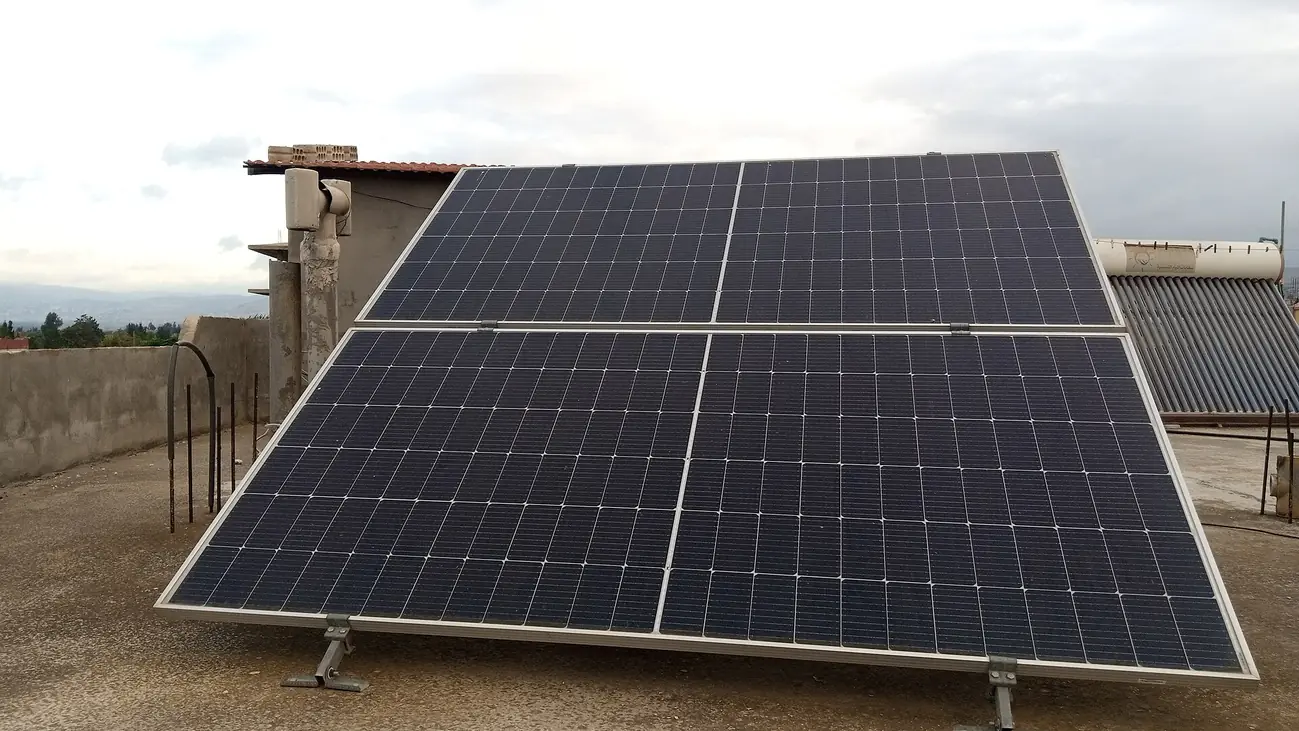
To recharge a 2 kWh battery in one sunny day you need roughly 400 to 600 W of solar panels — about two 280 W panels in good sun, or three 200 W panels in a cloudier climate. The rest of the system is a charge controller and an inverter (or an all-in-one unit) matched to the battery voltage, typically 12 V, 24 V or 51.2 V for LiFePO4 home batteries. A complete rule of thumb: panel wattage roughly one-quarter to one-third of battery watt-hours, sized to your local sunlight hours. Send us your location and load list and we will specify the exact panel, controller and battery combination for your site.
2 kWh vs 3 kWh vs 5 kWh: which size fits your family
Capacity choice follows the fridge question. 2 kWh covers lighting, TV, fan, phones and internet — the affordable starter size. 3 kWh adds a refrigerator with comfortable margin and covers the same loads for longer; it is the balanced family size. 5 kWh runs a fridge, TV, lights and phones through the evening and overnight with room for a full day of backup; it is the size most families buy once and stop worrying about. Prices scale with capacity, and for a family on a tight budget the rule is simple: start with what covers your evening loads, and step up when the fridge becomes part of the plan.
Cost: solar battery vs diesel generator
In many markets the real comparison is not between battery brands but between battery and diesel generator. A 1 kVA generator burns roughly 0.5 to 1 liter of fuel per hour under load; at typical fuel prices in Africa and Southeast Asia, four hours of nightly operation costs a meaningful share of a family income every month. A 2 kWh LiFePO4 system with solar panels has zero fuel cost for 8 to 12 years of daily cycles, and it is silent, produces no fumes indoors and needs no fuel trips. The payback period against generator fuel is usually well under two years in high-fuel-cost markets — which is why off-grid families and small shops are switching.
Buying 2 kWh systems wholesale for distribution
If you are a distributor, retailer or installer serving families in markets with unreliable grids, 2 kWh systems are a fast-moving SKU: compact for shipping, affordable for end customers and easy to install. When sourcing from a factory, confirm four things: the battery chemistry (LiFePO4 preferred for cycle life in hot climates), the inverter-controller configuration (all-in-one versus separate units), the certification for your target market (UN38.3 for air freight, plus regional standards), and the OEM options — branding, packaging and manuals. We manufacture LiFePO4 batteries and storage systems in-house and supply 2 kWh to 5 kWh home systems wholesale with flexible MOQ, OEM/ODM customization and sea or air freight to Africa, Southeast Asia and beyond. Contact us with your target country, load profile and quantity for a complete configuration and quotation.
Frequently asked questions
How long can a 2 kWh battery run a TV? — About 20 hours for an 80 W LED TV, based on 80% usable capacity. In daily use with lights and phone charging, a full evening plus the next morning is realistic.
Can a 2 kWh solar battery run a refrigerator? — Yes, a small fridge averaging 50 W runs about 30 hours from 2 kWh. To run it every day, add roughly 400 to 600 W of solar panels to recharge during daylight.
How many solar panels do I need for a 2 kWh battery? — About two 280 W panels (400 to 600 W total) in good sun recharge a 2 kWh battery in one day, together with a charge controller and inverter matched to the battery voltage.
Is 2 kWh enough for a family? — For lighting, phone charging, a TV, a fan and internet, yes. If a refrigerator must run through the night, the 3 kWh or 5 kWh sizes give comfortable margin.
How much does a 2 kWh solar home system cost wholesale? — Pricing depends on battery voltage, inverter type, panels and quantity. Contact us with your target country and order size for a factory-direct quotation with MOQ and lead time.