1
Daytime teaching depends on an unstable grid
Schools and training centres sit on an unreliable supply. When the grid fails during class hours, teaching equipment and lighting go down immediately and lesson schedules have to be reshuffled.
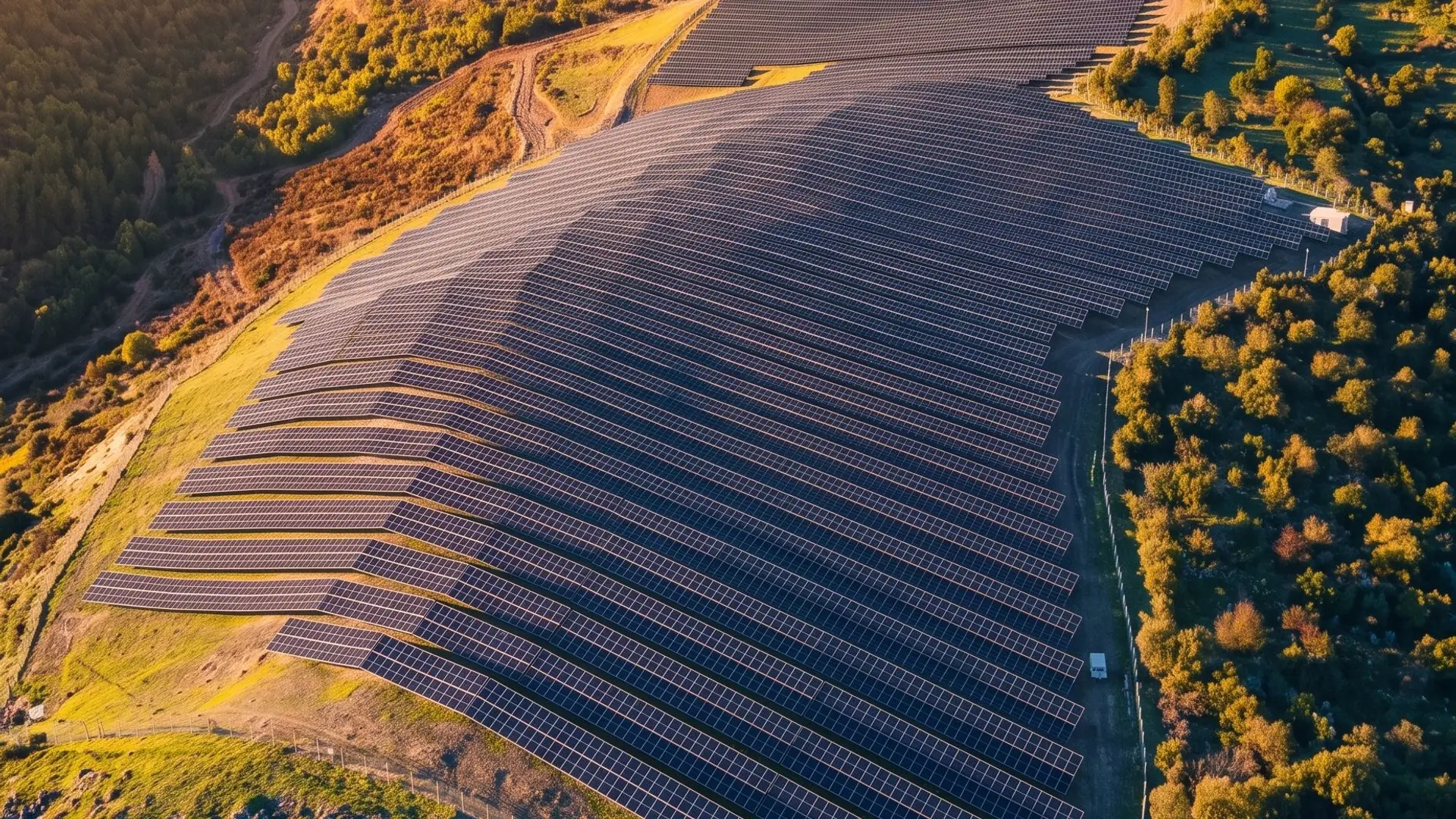
For schools and training centres on unstable grids — a ground-mounted solar array with battery storage, self-consumed by day, stored for the evening and switched in automatically during outages.
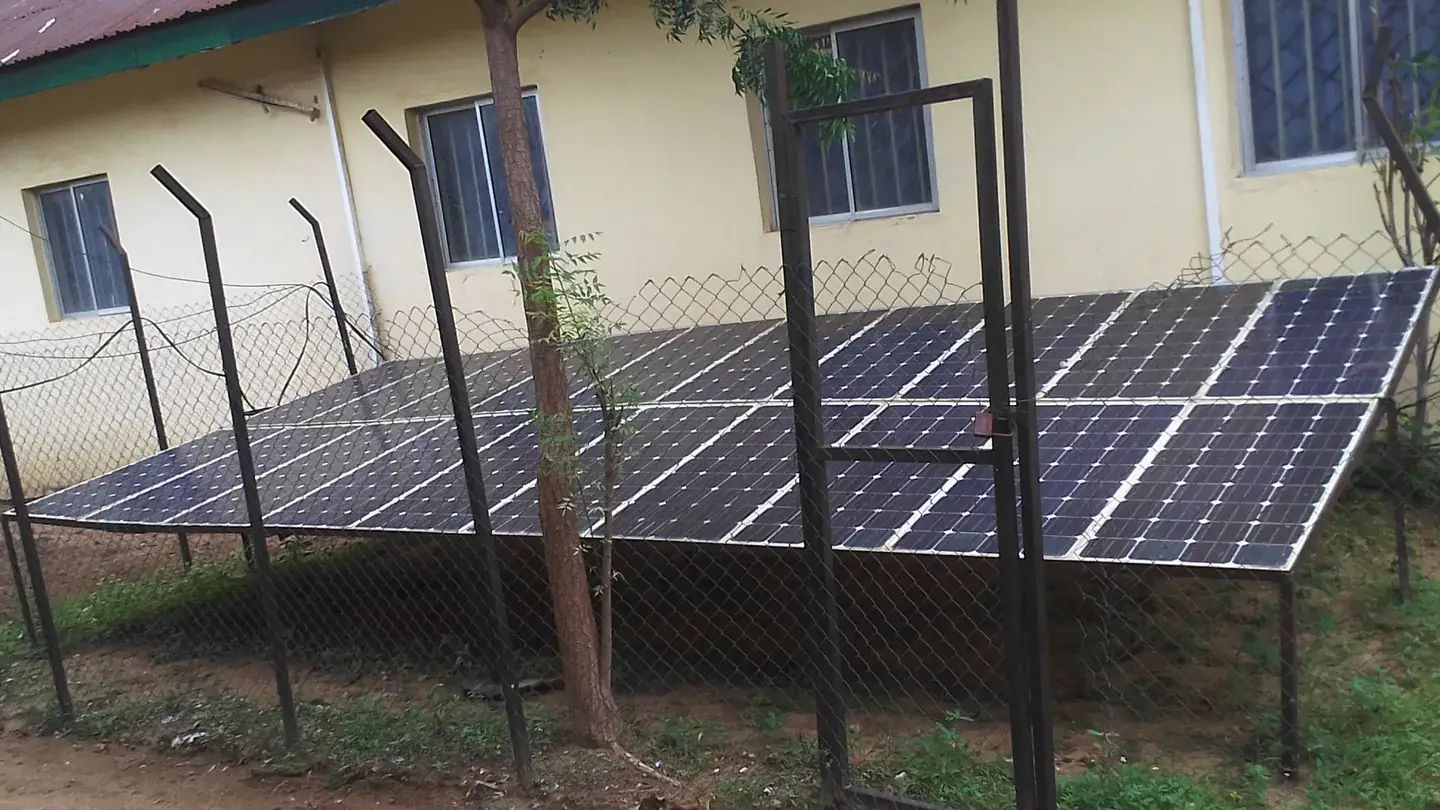
Institutional grid supply is unreliable, affecting daytime teaching and equipment, while outages leave lighting and critical equipment unpowered — and roof conditions are limited.
A ground-mounted solar array with battery storage, run through an off-grid or hybrid inverter for daytime self-consumption, surplus storage and automatic outage switchover.
Daytime teaching loads are largely self-supplied, lighting and critical equipment stay running during outages, and dependence on the grid is reduced.
Case Study
Schools and training centres sit on an unreliable supply. When the grid fails during class hours, teaching equipment and lighting go down immediately and lesson schedules have to be reshuffled.
Institutional buildings usually have sheet-metal or ageing roofs with limited load capacity and usable area, so a conventional rooftop PV design cannot be installed.
Outages do not only kill the lights: server rooms, printers and communication equipment also lose power, which disrupts day-to-day operation.
Institutional demand is concentrated in fixed daytime hours. Sizing against peak load rather than average daily consumption leads to clear over-investment.
We use ground-mounted PV arrays, which free up the roof, are easier to service and can be expanded later, sidestepping roof load and area limits.
We start from measured average daily consumption and typical outage duration, then set storage at 3-10 kWh with a 1-3 kW array, instead of sizing to peak load.
PV feeds teaching equipment directly during the day and the surplus charges the battery for the evening and for outages. Changeover on outage is automatic, with no manual switching.
Where the grid is reasonably stable we run hybrid and stay grid-tied; where supply is poor we run off-grid and stand alone. One design method covers both site conditions.
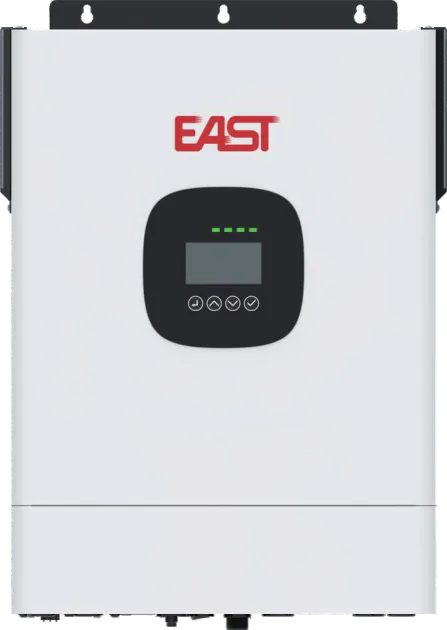
Core: 3kW/5kW off-grid inverter, 24V/48V battery, up to 4-6kW PV input
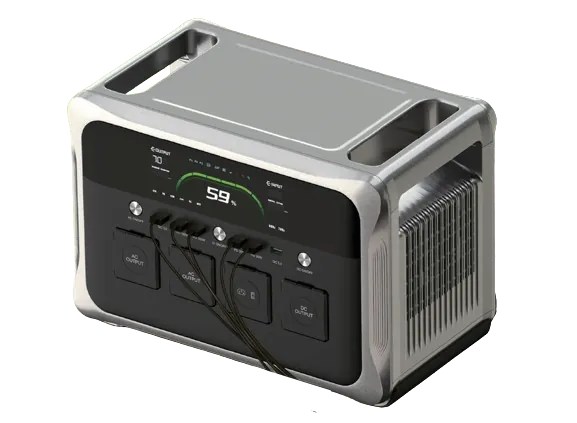
Outage backup: 3600W portable station as a mobile supply for critical loads
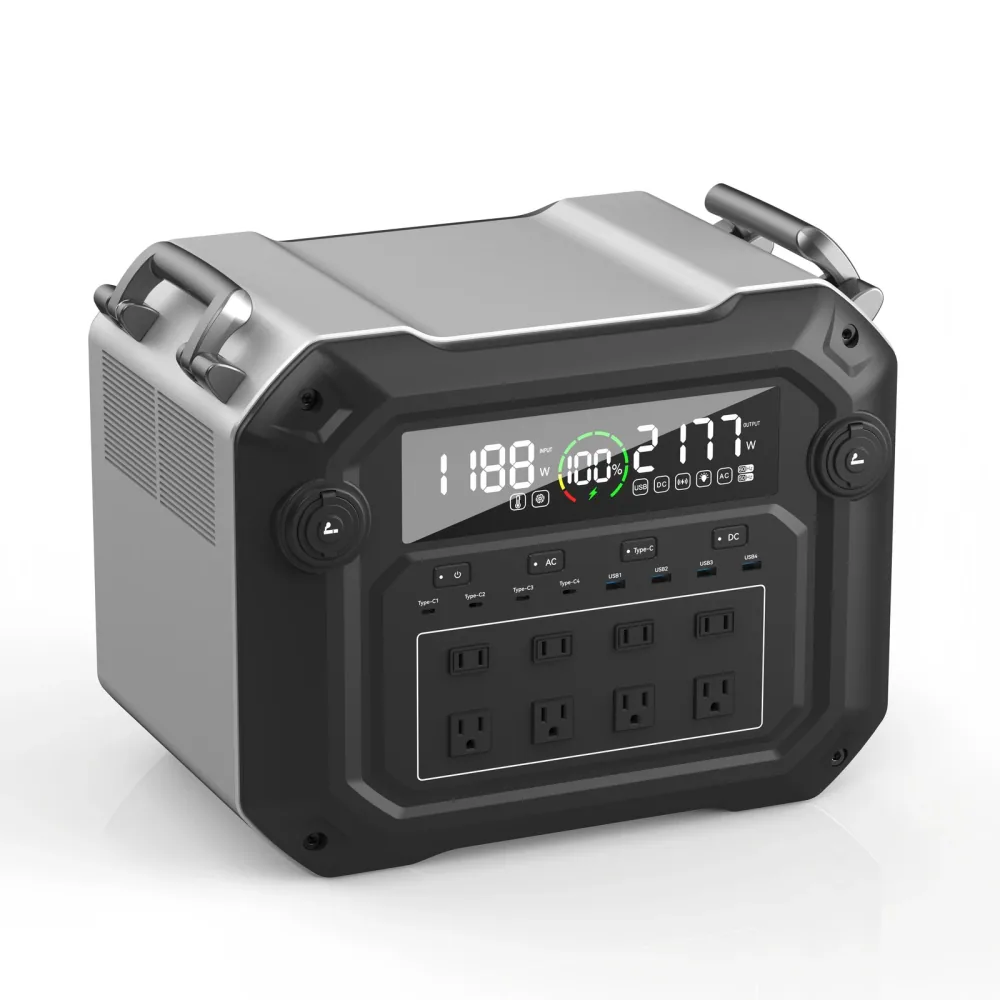
Zone top-up: 600W portable station with 600W MPPT for individual classrooms or offices
Television
About 27 hours
Laptop
About 49 hours
LED light
About 82 hours
Rice cooker
About 7.3 hours
Runtimes above are calculated from usable energy (85% of capacity) and typical appliance wattage; real figures vary with ambient temperature and load.
Institutional designs are confirmed against average daily consumption, the critical-load list, outage duration and whether grid-tied operation is required.
Nigeria Institutional Off-Grid Solar Supply
Guides
Hybrid inverter vs off-grid inverter for solar storage — grid connection, backup behavior, battery support and the selection rule for home and C&I projects.
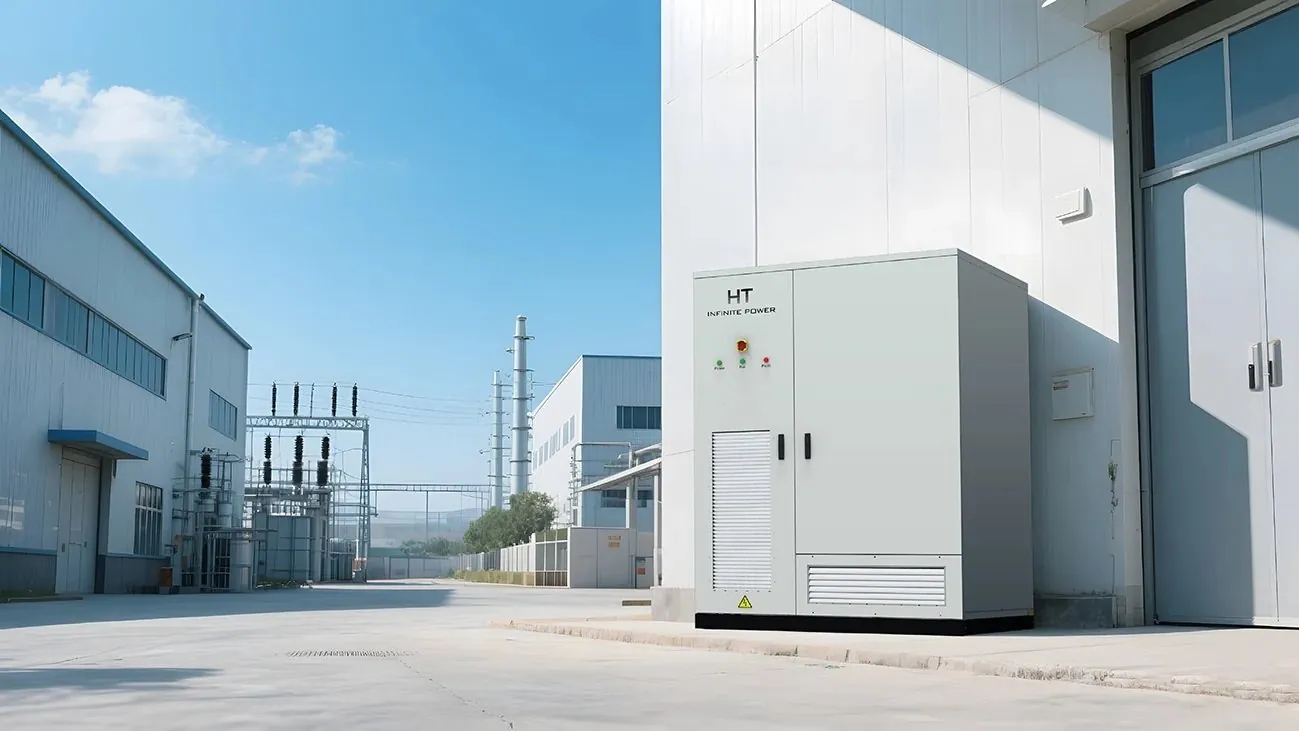
C&I energy storage system purchasing guide — 8 key parameters: capacity, power, battery type, PCS, cooling, protection rating and application scenarios.
How to calculate the ROI of a commercial energy storage system — the revenue streams, cost inputs and a worked payback example for C&I batteries in 2026.
Submit product models, capacity, application scenarios and target market — our team replies within 24h on working days.