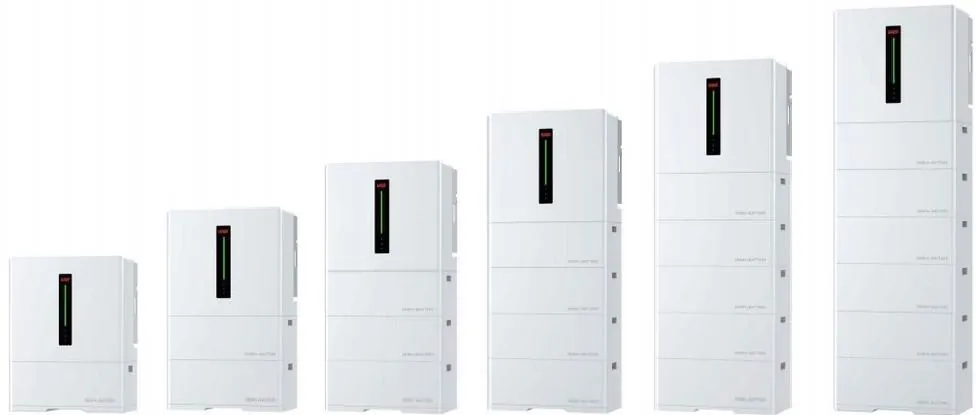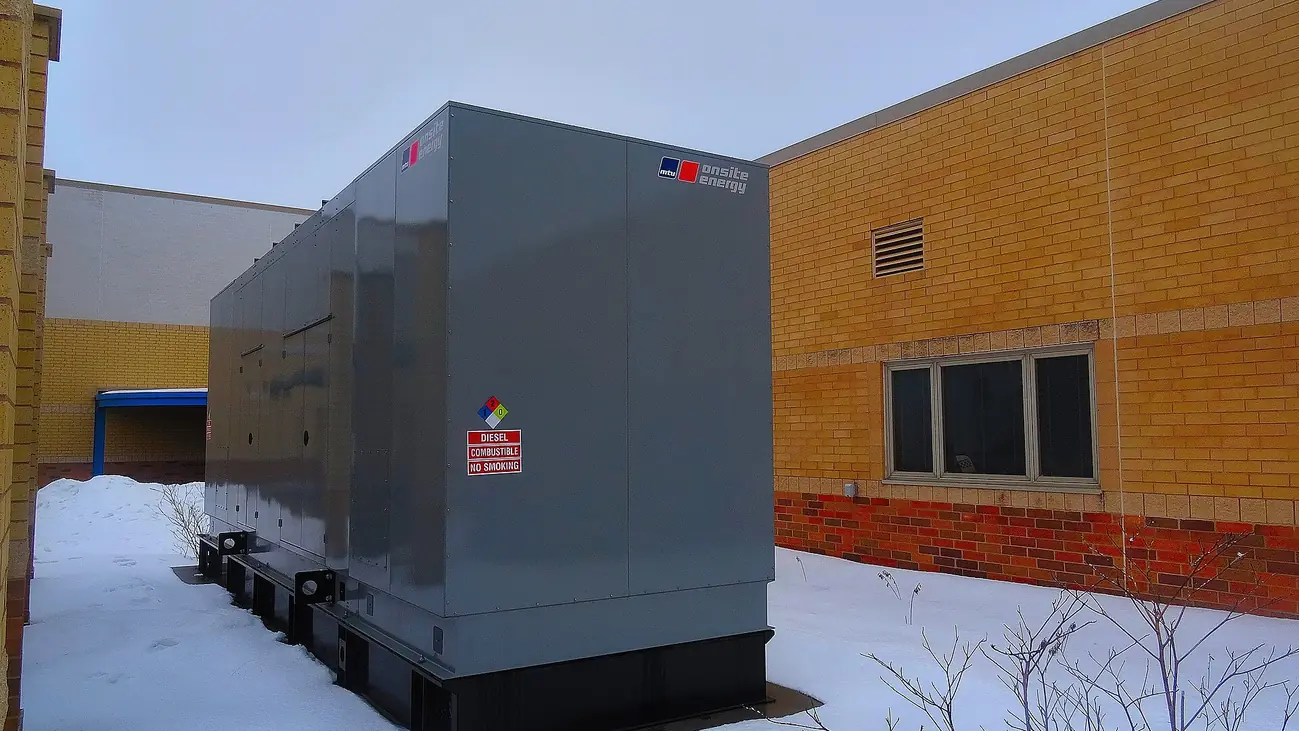
A home backup battery and a generator solve the same problem — keeping your home running when the grid fails — but they are fundamentally different products. For short, frequent outages a battery wins on noise, maintenance and fuel; for long off-grid periods a generator wins on runtime and up-front cost per kilowatt. For most homeowners the practical answer is a battery for day-to-day backup with a small generator held for extended outages, but the right choice depends on your outage pattern, your solar setup and your budget. This comparison gives you the numbers to decide.
Comparison at a glance
| Factor | Battery backup | Generator backup |
|---|---|---|
| Up-front cost | Higher per kWh, zero running fuel | Lower for high power, fuel and install extra |
| Runtime | Hours to about 1-2 days on battery alone | Days to weeks while fuel lasts |
| Fuel | None — charges from solar or grid | Petrol, diesel or gas, ongoing cost |
| Noise | Silent | Loud, 60-90 dB, disturbs neighbors |
| Maintenance | Almost none | Oil, filters, fuel stabilizer, regular starts |
| Emissions | None indoors | Exhaust, must run outdoors away from openings |
| Solar pairing | Charges from PV, extends runtime | No solar integration |
| Lifespan | 8-15 years, thousands of cycles | 500-2,000 running hours engine life |
Cost over the full life
A 10-15 kWh battery system with a hybrid inverter costs more up front than a mid-size generator, but the comparison reverses over the system's life. A battery charges from solar for free and needs almost no maintenance, while a generator burns roughly 0.5-1 litre of fuel per hour under load and needs regular oil changes and service. If you run a generator a few hours a few times a year, the fuel bill is small; if outages are frequent and you rely on it often, fuel and maintenance quickly outpace the battery's one-time cost. The fair comparison is cost per backup-hour over ten years, not the purchase sticker.
Runtime is the battery's main limit
The battery's weakness is duration. A 10 kWh battery runs a 1 kW essential load for about 10 hours; with a fridge, lights and a router the runtime may be a day or two. Solar recharges it during daylight if you have PV, which in effect extends runtime indefinitely for most loads. A generator runs as long as fuel is available — a 20-litre tank at partial load can last a day or more, and you can carry more fuel. If your outages routinely exceed a day or two and you have no solar, a generator is the more reliable primary backup.
Noise, placement and safety
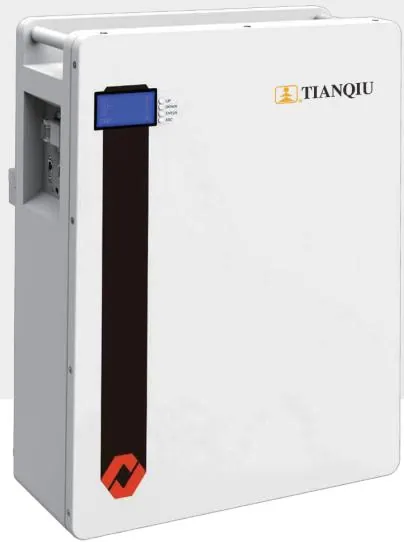
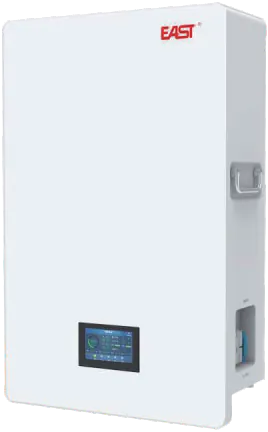
A battery runs silent indoors and mounts on a wall or in a garage with no venting beyond the manufacturer's clearance. A generator must run outdoors, away from windows, doors and vents, because its exhaust is carbon monoxide; it also needs a transfer switch or interlock so it does not backfeed the grid, and you must store fuel safely. For urban and suburban homes, noise and placement constraints often make a battery the only practical day-to-day option even when the generator would be cheaper.
Decision guidance
Choose a battery if outages are frequent but short, if you have solar, or if noise and placement matter. Choose a generator if outages are long, if you need high power for tools or heating, or if the up-front budget is the binding constraint. Many homes end up with a battery as the primary backup and a small inverter generator kept for multi-day events — a combination that covers both outage patterns at a reasonable total cost.
As an LFP battery manufacturer, we size home battery systems for your essential loads and outage history and advise on the hybrid inverter that pairs with your existing or new solar. Send your load list and outage pattern and we will recommend the right capacity.