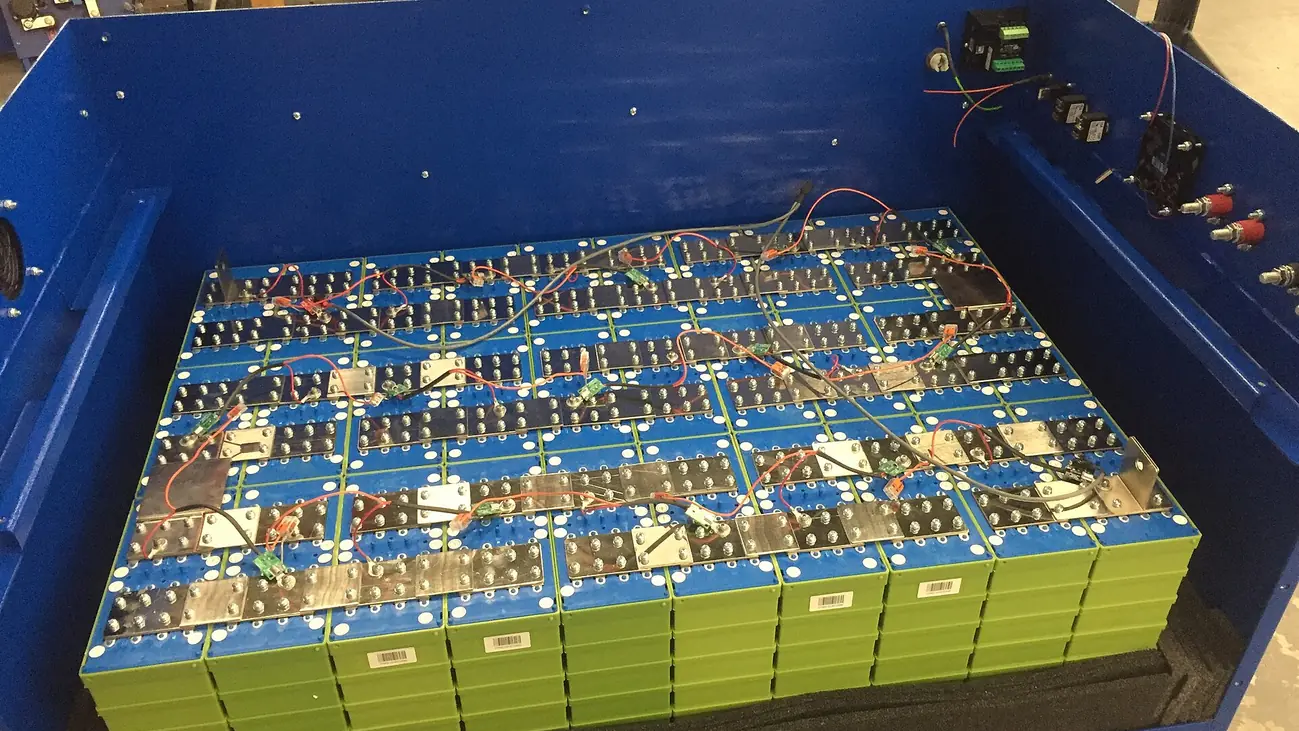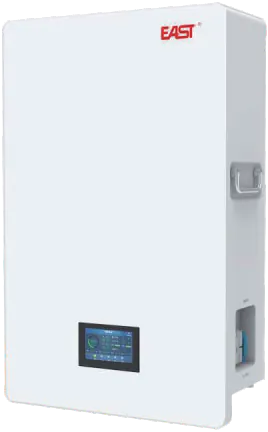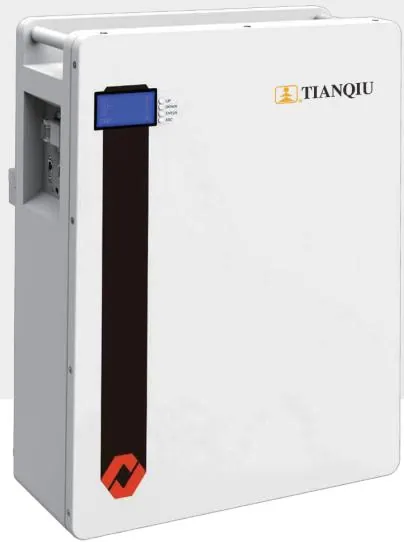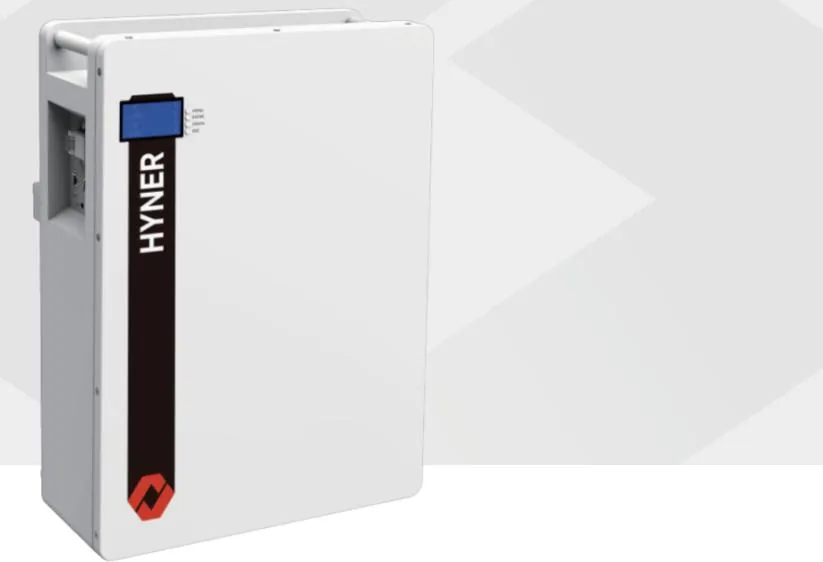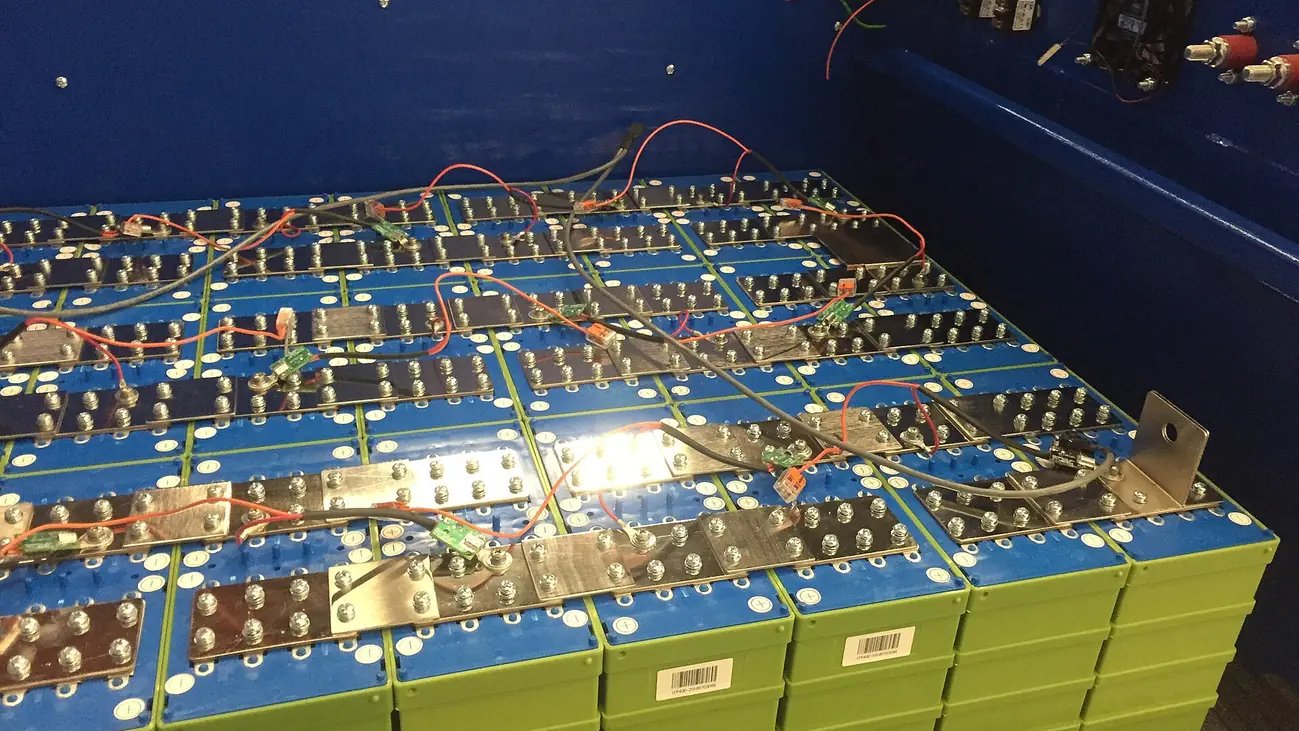
The short answer for 2026: for any energy storage application that cycles regularly — home solar backup, portable power, or commercial systems — LiFePO4 (LFP) wins on cycle life, energy density, weight, safety and lifetime cost. Lead-acid still beats LFP on one axis only: the upfront purchase price per kWh. When you run the numbers over the system's life, LFP is almost always the cheaper battery. Here is the comparison that matters, chemistry by chemistry.
The one-page comparison table
Before the detail, the headline numbers. Lead-acid cells are cheap per kWh but are heavy, degrade quickly under deep discharge, and typically last 500 to 800 cycles at 50% depth of discharge. LiFePO4 cells cost more upfront but last 4,000 to 6,000 cycles at 80% DOD, hold their capacity much longer, weigh about half as much, tolerate heat better and need almost no maintenance. Over a 10-year operating life, LFP's cost per useful cycle is typically one-third to one-half that of lead-acid.
Cycle life: where the cost gap really lives
Cycle life is the single most important number in a battery comparison, because it determines how many times you can reuse the stored energy. A lead-acid battery rated for 500 cycles at 50% DOD gives you roughly 500 discharges before capacity fades below a usable level. A LiFePO4 battery rated for 5,000 cycles at 80% DOD gives you ten times the service, on a deeper discharge each time. If you cycle a battery daily, lead-acid needs replacing after about a year and a half; LFP is designed for 8 to 15 years. In energy storage, you are buying cycles, not cells — and LFP sells far more cycles per dollar over the system's life.
Energy density and footprint
LiFePO4 packs roughly 150 to 200 Wh per kilogram at the cell level, while lead-acid sits near 30 to 40 Wh/kg. The practical result is that a home battery bank delivering 10 kWh of usable capacity weighs about 80 to 100 kg as LFP, versus 250 to 350 kg as lead-acid, and takes a fraction of the floor space. For wall-mounted home batteries, stackable racks and commercial cabinets, the footprint difference is often the deciding factor — most modern systems simply cannot fit a lead-acid bank of equivalent capacity in the available space.
Depth of discharge and usable capacity
The usable capacity differs as much as the chemistry. Lead-acid should not be regularly discharged below 50% without severe life loss, so a "100 Ah" lead-acid bank really delivers only half its rated energy day to day. LiFePO4 can be discharged to 80% or 90% on a daily basis with modest effect on life, so an "100 Ah" LFP bank delivers roughly 80 to 90 Ah of usable energy. When comparing batteries, always compare usable kWh at the recommended DOD — comparing rated Ah without DOD is one of the most common and most expensive mistakes in battery selection.
Weight, installation and structural cost
Because lead-acid weighs two to three times more per kWh, it costs more to ship, more to transport on site and more to mount. Walls and floors need reinforcement for large lead-acid banks; LFP wall-mounted units bolt straight onto standard framing. For an off-grid cabin or a home backup room, the structural and installation cost of lead-acid often cancels out the cheaper cell price. For portable and RV use, weight is decisive: nobody wants a 40 kg battery they can carry for an afternoon on the water.
Safety and thermal behavior
Both chemistries are safer than some of their reputation suggests, but they fail differently. Lead-acid can vent hydrogen gas, can spill corrosive acid, and suffers from sulfation if left partially charged. LiFePO4 is the most thermally stable mainstream lithium chemistry — it does not contain the volatile cathode materials of other lithium variants, has a high thermal runaway threshold, and the vast majority of residential and commercial LFP systems require no special venting beyond normal airflow. When comparing, check the battery's certifications (UN38.3, IEC 62619, UL 9540A-relevant testing) and its BMS: the protection electronics do as much for safety as the chemistry itself.
Charging efficiency and energy cost
Round-trip efficiency determines how much of the electricity you buy actually comes back out. Lead-acid typically achieves 75% to 85% round-trip efficiency; LiFePO4 typically 92% to 96%. On a system that stores and returns energy daily, the extra losses of lead-acid add up to real money over the year — and they are pure waste. LFP also charges faster and accepts charge better when partially full, which matters for solar self-consumption where you want to capture every peak-hour kilowatt-hour.
Cold weather and temperature performance
Lead-acid loses usable capacity and cycle life sharply below freezing, and its charging must be temperature-compensated to avoid overcharging. LiFePO4 also derates in the cold but holds its rated capacity down to around 0°C and is commonly operated with a small heater in cold climates. For outdoor storage, off-grid winter use and cold garages, temperature performance should be part of the specification — ask the manufacturer for the operating temperature range and the derating curve, not just the marketing number.
Maintenance and total cost of ownership
Lead-acid needs periodic water top-ups (for flooded types), terminal cleaning, equalization charges and careful state-of-charge management — it punishes neglect, and neglected batteries die early. LiFePO4 is essentially maintenance-free: the BMS balances the cells and protects against overcharge, over-discharge and over-temperature. When you add up cell cost, replacement cycles, installation, shipping, energy losses and maintenance, LiFePO4's total cost of ownership is usually lower within three to four years, even where the lead-acid price tag was half as much. For wholesale buyers, the calculation is the same: a product line built on LFP avoids the warranty drain that lead-acid replacement cycles create.
When lead-acid still makes sense in 2026
There are still a few niches where lead-acid is defensible: very short-duration, rarely cycled backup with no space constraints; extreme cold installations where the battery is never discharged deeply; and budgets so tight that the first-year cost is the only cost that matters. But each of these is a narrowing niche, and the majority of lead-acid "savings" disappear when you account for replacement and inefficiency. For virtually every home storage, commercial storage and portable power application in 2026, LiFePO4 is the better engineering and financial choice.
What to ask when you buy LFP wholesale
If you are sourcing LiFePO4 batteries in volume — for a product line, a dealer network or a project — ask the factory for: the cell brand and grade, cycle life at the DOD you plan to use, the capacity retention warranty and its written terms, the BMS features (balancing, low-temperature charging protection, communications protocol), the certifications for your target market, and the operating temperature range. Ask whether the factory produces the cells in-house and can provide test reports for the exact model quoted. We manufacture LiFePO4 cells and packs in-house, and supply wall-mounted and stackable home batteries with wholesale pricing, OEM branding and project-level technical support — the comparison in this article is exactly the logic behind that lineup.