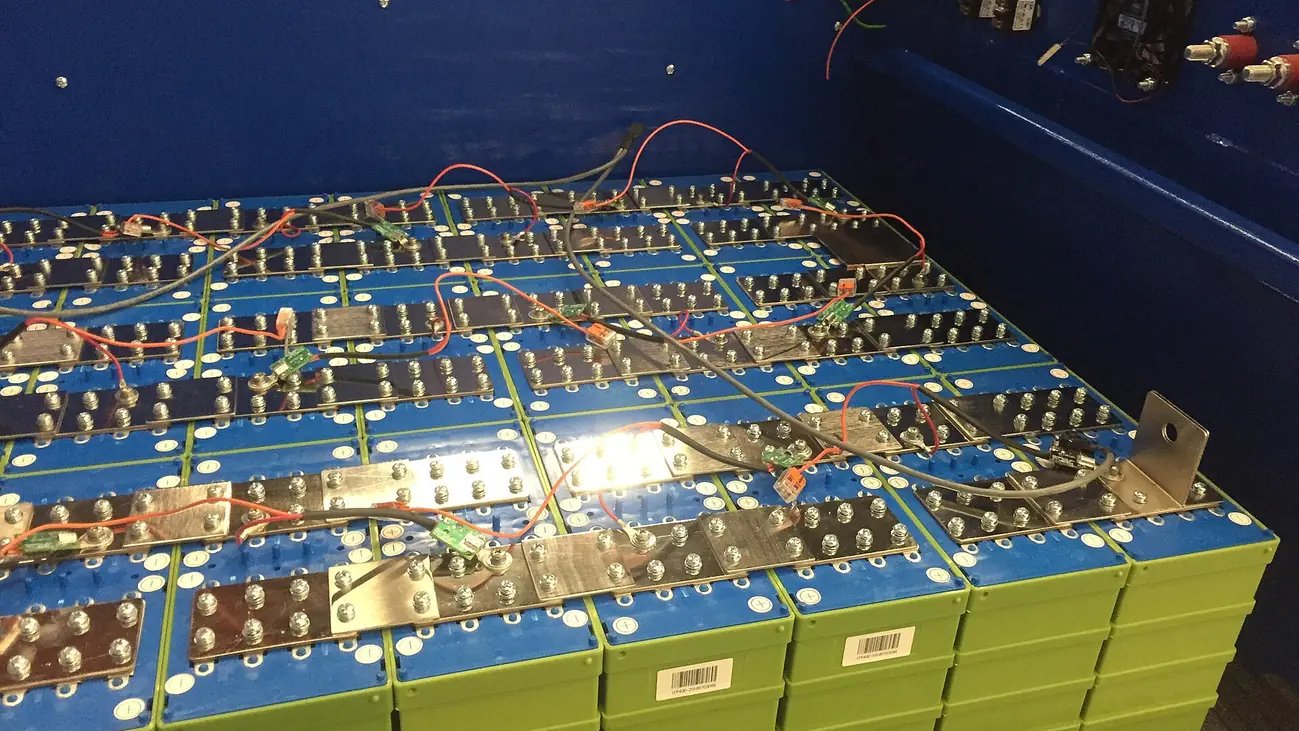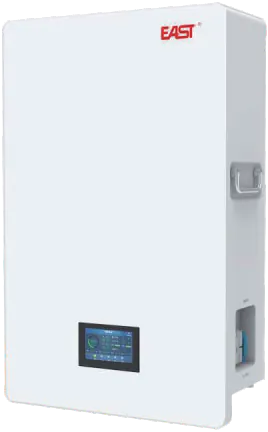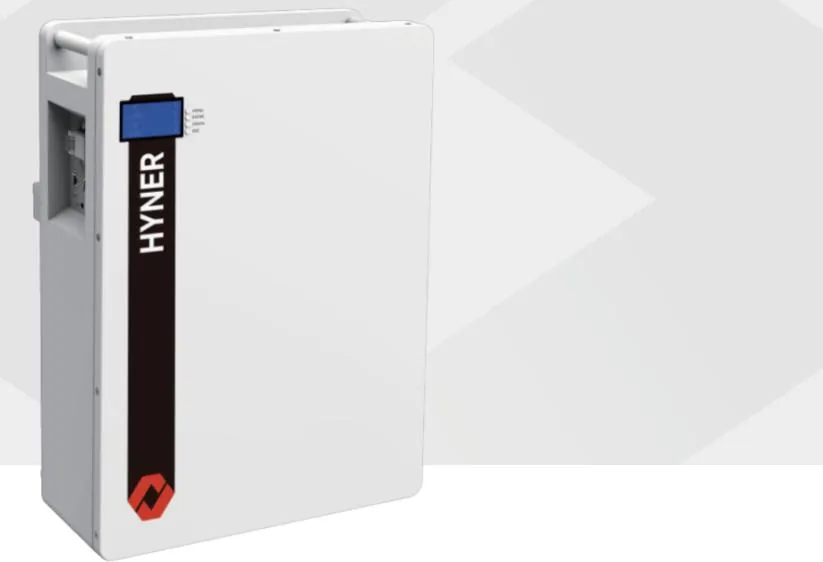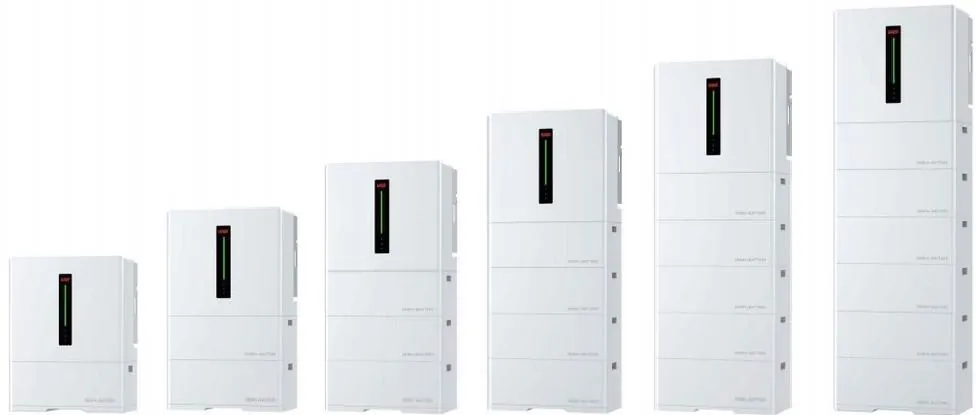
The choice between LiFePO4 (LFP) and NMC (nickel-manganese-cobalt) is really a choice between safety and energy density, and for most energy storage applications the answer is clearly LiFePO4. LFP offers dramatically better thermal stability and a far longer cycle life; NMC offers higher energy density — lighter and more compact for the same capacity — but at the cost of stricter thermal management and faster degradation. This comparison lays out the differences that matter and where each chemistry still makes sense in 2026.
The one-page comparison table
The headline differences are easy to remember. Energy density: NMC packs roughly 200-250 Wh/kg versus 150-200 Wh/kg for LFP, so NMC is lighter and smaller for the same capacity. Thermal stability: LFP resists thermal runaway far better and has a much higher onset temperature, which is why it dominates stationary storage. Cycle life: LFP delivers 4,000-6,000 cycles at 80% DOD versus roughly 1,000-2,000 for NMC. Cost: LFP is cheaper per kWh and cheaper per useful cycle. Chemistry composition: NMC contains cobalt and nickel, which raise cost and supply-chain risk; LFP uses iron and phosphate, which are abundant and cheap. These five rows decide almost every stationary storage decision in favor of LFP.
Thermal safety: the decisive difference
Safety is the single biggest reason LFP dominates energy storage. LFP cathodes are thermally stable to much higher temperatures, and in thermal runaway tests the propagation is slower and less violent than NMC. NMC cells can begin exothermic breakdown at lower temperatures and release oxygen, which feeds combustion. This is why residential, commercial and grid storage overwhelmingly use LFP, why many insurers and regulators prefer it, and why the fire-suppression system for an NMC installation needs to be more aggressive. For a system that sits in a home, a factory or a container, the thermal safety of LFP is not a feature — it is the floor.
Cycle life: LFP wins by a factor of three
Cycle life is where the economics of LFP and NMC diverge most. An LFP battery rated for 5,000 cycles at 80% DOD can be cycled daily for 8-15 years. An NMC battery rated for 1,500 cycles reaches its limit in 3-5 years of daily cycling. In energy storage you are buying cycles, and LFP sells three or more times as many per dollar over the system life. The one niche where NMC cycle life is acceptable is consumer electronics and short-lifetime portable devices, where the device is replaced before the battery degrades. For stationary storage, LFP wins decisively.
Energy density: where NMC still leads
NMC holds a real advantage in energy density, and it matters in exactly two places: electric vehicles, where weight and range are paramount, and compact portable products, where every kilogram and cubic centimeter counts. In a home battery, a commercial cabinet or a container, the weight difference is a shipping and mounting detail, not a design constraint — a few extra kilograms per kWh is rarely the deciding factor. If your application is a portable power station where weight is the product spec, NMC or high-density variants deserve a look; if it is stationary storage, density is a minor consideration against safety and cycle life.
Cost: upfront and lifetime
On price, LFP wins on both axes in 2026. NMC cells cost more per kWh because of cobalt and nickel content, and the supply chain for these metals is tighter and more price-volatile. LFP uses abundant iron and phosphate, costs less per kWh, and — because it lasts three times as many cycles — costs a fraction of NMC per useful cycle. Falling LFP prices have widened the gap further. When a quote for an NMC system comes in, check whether it also accounts for the shorter life, the stricter cooling and the more aggressive fire suppression — the "cheaper" NMC system is usually more expensive over its life.
Degradation and operating temperature
NMC degrades faster than LFP, and the gap widens with heat and deep discharge. NMC cells dislike high temperature and high depth of discharge, both of which accelerate capacity fade; LFP tolerates both better and holds its capacity curve flatter over a decade. For outdoor installations, hot climates or deep-cycle operation, LFP's degradation behavior is a significant practical advantage. Also check the operating temperature range on the datasheet: LFP systems commonly operate to 60°C at the cell level with derating, while NMC systems need tighter thermal control to avoid accelerated aging.
Voltage and system compatibility
The two chemistries have different nominal voltages — LFP cells sit around 3.2 V nominal, NMC around 3.6-3.7 V — which changes the pack voltage and the number of cells in series. This matters when a system is designed for one chemistry and you want to switch: the voltage platform, BMS thresholds and inverter DC range all need to be re-verified. Most home and commercial storage systems are built around LFP platforms in 2026, so choosing LFP maximizes compatibility with inverters, batteries and replacement modules in the field. If you are replacing a pack, confirm the voltage platform and BMS protocol match your existing system.
Applications: which chemistry for what
A simple application map settles most questions. Stationary storage — home batteries, C&I cabinets, containers — use LFP for safety and cycle life. Grid storage at scale uses LFP overwhelmingly. Portable power stations: LFP is now standard for anything you want to last, with high-density NMC surviving in ultra-light niches. Electric vehicles: NMC and variants still dominate where range matters, though LFP is entering entry-level EVs. Consumer electronics and tools: NMC and other high-density chemistries remain standard because device lifetimes are short. For a storage buyer, the rule is: unless you are shipping a product where every gram counts and the lifetime is short, choose LFP.
Procurement: what to confirm on the datasheet
Whichever chemistry you choose, confirm these numbers on the datasheet: energy density and cell weight, cycle life at the DOD you plan, operating temperature range, thermal-runaway onset and propagation test results, nominal voltage and pack configuration, and the warranty's capacity retention clause. Ask the factory whether the cells are A-grade and produced in-house, and request the exact cell datasheet for the model quoted. As a manufacturer of LiFePO4 cells and batteries — wall-mounted and stackable home storage, and commercial systems — we standardize on LFP for its safety and cycle life, and we publish the thermal test reports, cycle curves and datasheets on request. Send us your application and capacity, and we will confirm the right LFP configuration.