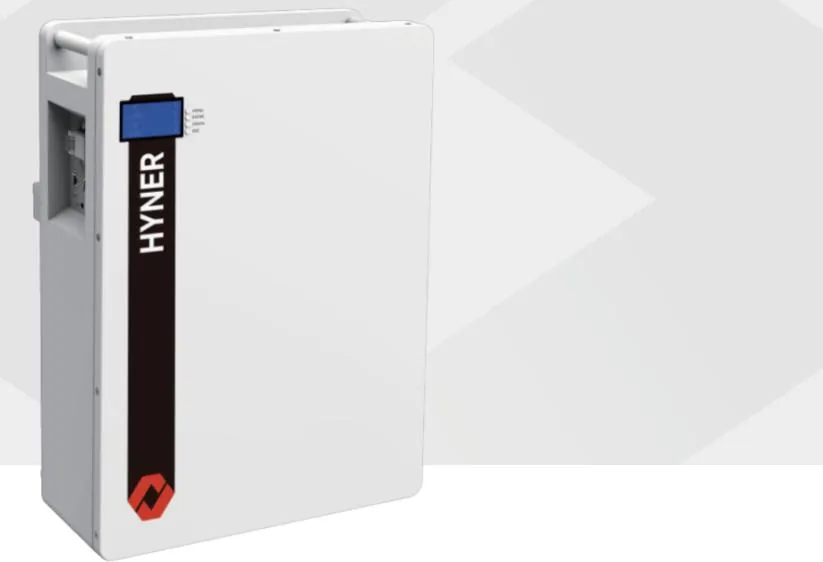
For a home adding battery storage, the question is not whether to back up your home but how much of it the battery should cover. Whole-home backup powers every circuit in the house; partial backup powers a selected set of essential circuits. For most buyers a partial-backup battery sized to essential loads delivers most of the value at a fraction of the cost, but the right answer depends on your outage history, your essential-load power and your budget. This guide compares the two approaches so you can specify the right capacity and inverter the first time.
What whole-home backup means
Whole-home backup connects the battery to the main panel so every circuit — kitchen, laundry, HVAC, workshop — can run during an outage, within the power and capacity limits of the system. The benefit is simplicity: when the grid fails, the whole house keeps working with no decisions to make. The cost is that the system must be sized to your peak simultaneous load, which is usually much larger than the loads you actually run during an outage, so you pay for power capability you rarely use.
What partial backup means
Partial backup connects the battery to a subpanel that feeds only the circuits you choose — fridge, lighting, router, phone charging, a well pump, and one small appliance. During an outage only those loads run, which sharply reduces both the battery capacity and the inverter power you need. The essential-load profile of a typical home is often 20-40% of its full-home nameplate, so a partial system costs meaningfully less and installs faster. You accept that the dryer and central AC stay off during an outage.
Comparison at a glance
| Factor | Whole-home backup | Partial backup |
|---|---|---|
| Scope | All circuits, main panel | Selected essential circuits, subpanel |
| Battery capacity | Large — full-home overnight load | Smaller — essential loads only |
| Inverter power | Higher — covers peak simultaneous load | Lower — essential peak only |
| First cost | Higher | Often 30-50% lower |
| Outage coverage | Everything within system limits | Essential loads only |
| Installation | More complex, longer | Simpler, faster |
| Best for | Frequent long outages, high loads | Occasional outages, budget buyers |
How to decide: three questions
Question one — how often and how long are your outages? If you face multi-day outages every year, whole-home coverage may justify its cost. If outages are rare and short, partial backup covers the essentials and you will rarely notice the difference. Question two — what do you actually need during an outage? Walk the house and list the essentials, then total the running watts and the starting watts of the largest motor. That number, not your nameplate panel size, is your real target. Question three — what is your budget and timeline? A partial system is cheaper and installs faster, which matters if you want backup in place this season.
Sizing the essential load
Build an essential-load table: item, running watts, surge watts. A fridge runs about 150-300 W with a surge to 800 W; LED lighting across the house is a few hundred watts; a router and phone chargers are under 100 W; a well pump can draw 1,000-2,000 W at start. Sum the running watts of everything you would run at once, add the surge of the single largest motor, then add a safety margin. For most homes the result is 2-4 kW running and 4-6 kW peak, which maps to a 5-15 kWh battery and a 5-6 kW hybrid inverter — a very different specification from a whole-home system.
Inverter and panel considerations
Partial backup requires a subpanel transfer — a licensed electrician separates the essential circuits so the battery can isolate them. Whole-home backup needs a full-panel transfer switch or a hybrid inverter rated for the panel's peak load. In both cases the inverter's backup output must be rated for the loads it will actually carry; if your essential loads exceed the inverter rating, step up to the next size or a three-phase unit.
Decision guidance
Choose whole-home backup if you face long, frequent outages and accept paying for power capability you will rarely use. Choose partial backup if your outages are occasional, you want the best value per dollar, and you can run a curated load list during an outage. Many buyers start with partial backup sized to grow — an inverter and battery that allow adding capacity later keeps the upgrade path open. The most expensive mistake is mixing the two logic systems: paying for whole-home capability while ignoring essential-load sizing, or under-sizing a partial system against the loads you actually want to run. Match the sizing method to the approach you choose.
As a manufacturer of LFP home batteries and hybrid inverters, we publish datasheets and backup-load sizing worksheets for each model. Send us your essential-load table and outage expectations, and we will confirm the battery capacity and inverter model that fits — whole-home or partial.