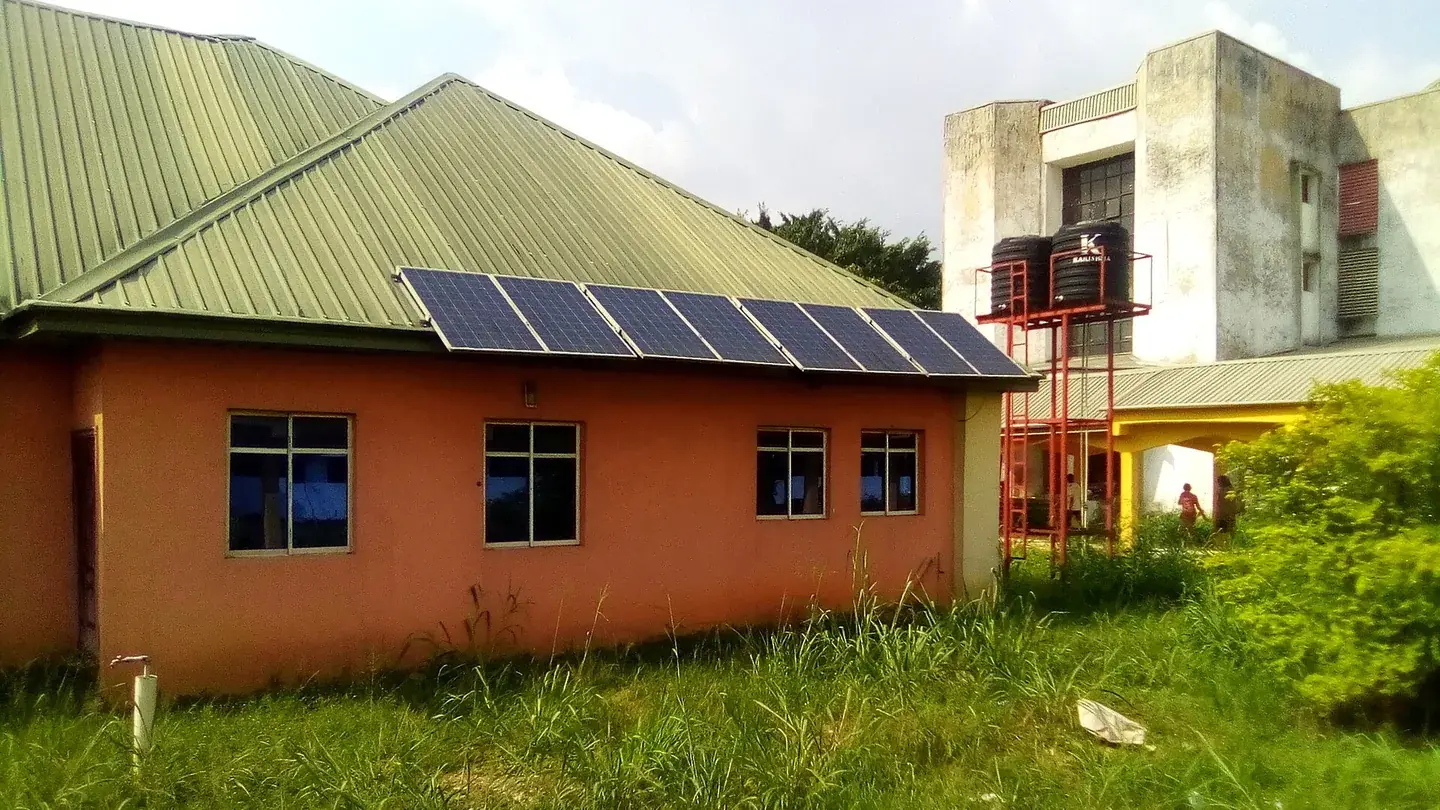
Outages are long and land in the evening
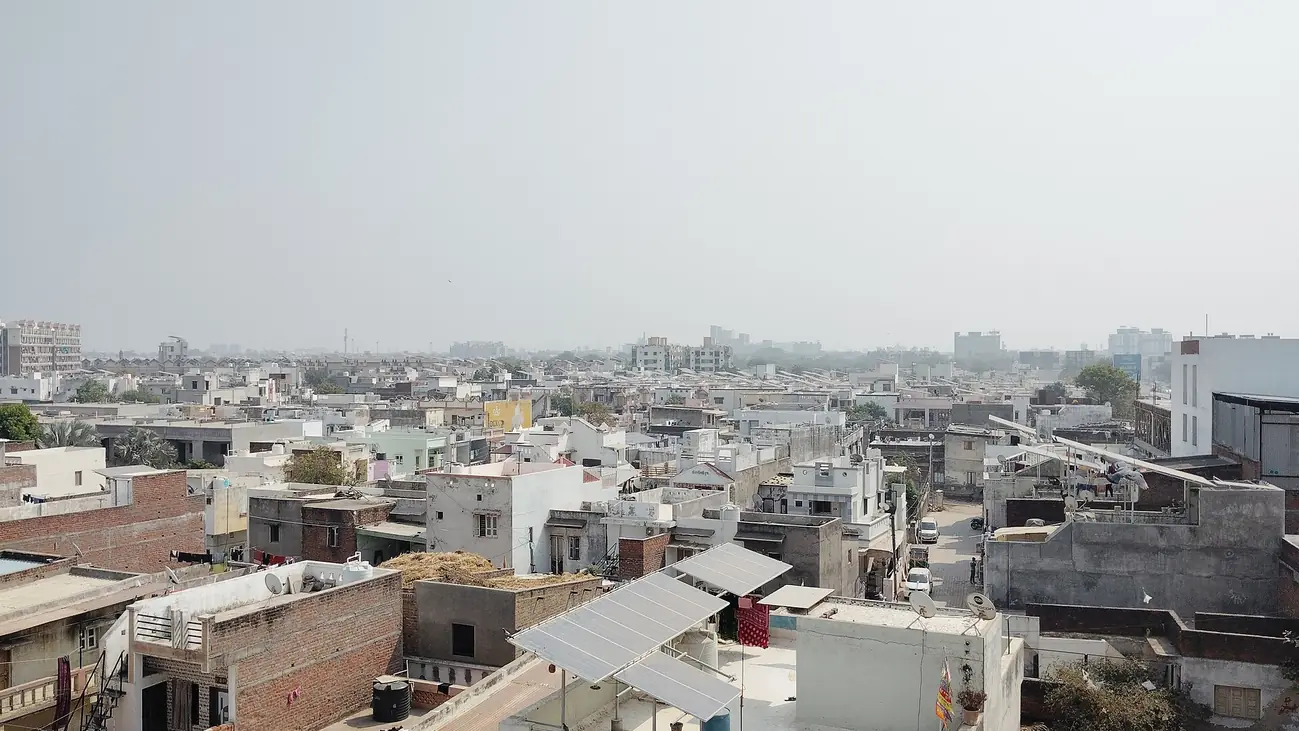
Grid supply is unreliable and households face outages of several hours a day. They cluster in the evening and at night, exactly when demand peaks, so lighting, fans and phone charging cannot be relied on.
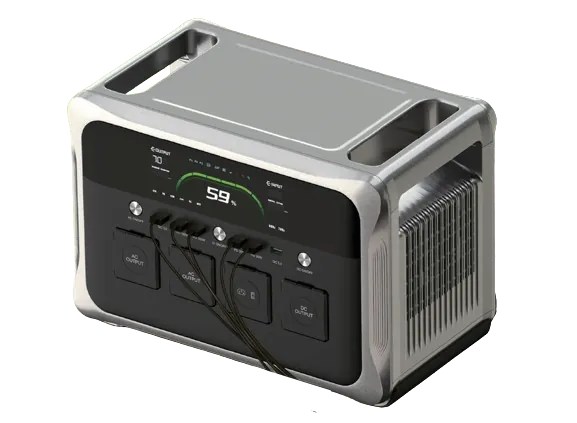
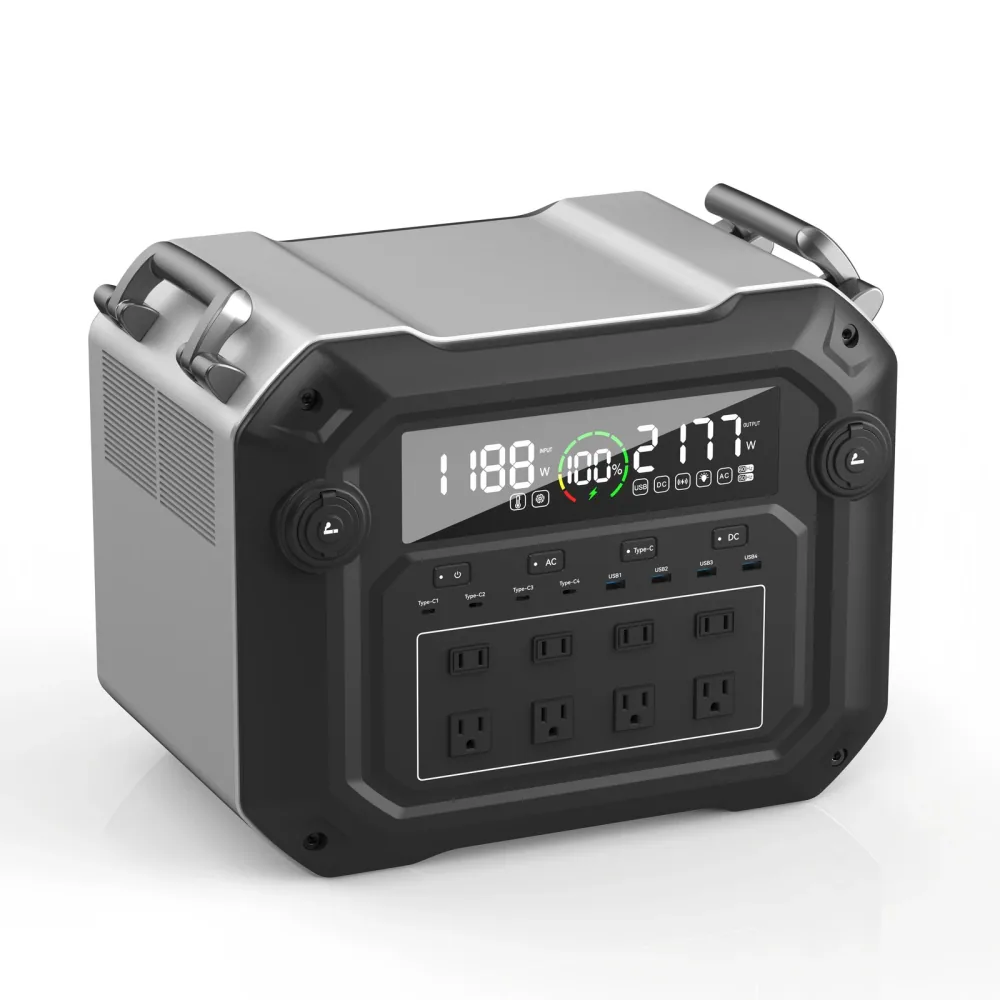
Household backup for unstable-grid markets — 0.6–3 kWh portable storage with 300–600 W solar for daytime recharge, covering lighting, fans, phone charging, a TV and a small refrigerator.

Unstable grid supply and frequent outages leave households without lighting and basic power, and buyers are sensitive to installation complexity — a plug-and-play solution is required.
Households are equipped with 0.6–3 kWh portable storage sized to their load, with 300–600 W solar panels for daytime recharge and 230V/50Hz output for local appliances.
Households keep lighting, fans, phone charging, a TV and a small refrigerator running through outages, recharging on solar by day to cut both bills and grid dependence.
Case Study
Grid supply is unreliable and households face outages of several hours a day. They cluster in the evening and at night, exactly when demand peaks, so lighting, fans and phone charging cannot be relied on.
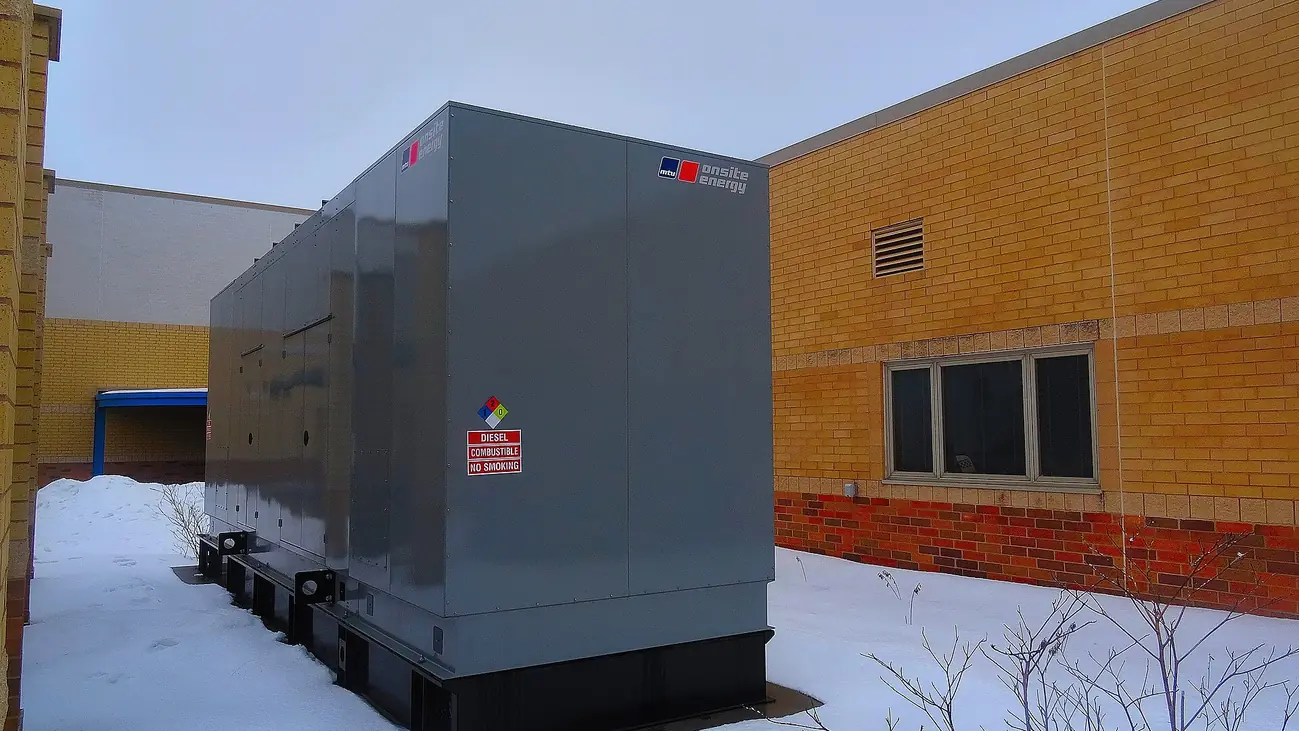
Petrol and diesel generators burn fuel by the hour, so running cost quickly exceeds the price of the unit itself, and they add noise, exhaust, servicing and spare-part purchases.
A PV-only system generates in daylight and cannot store it, so the energy is unavailable at night, which is when outages are most frequent and power is most needed.
Households have no electrical installation capability and need a plug-and-play solution. They are also budget-sensitive: too much capacity wastes money, too little cannot run the appliances.
We list every appliance to be powered (lighting 10W, fan 45W, phone charging 10W, TV 110W, small fridge 50W) and size on two axes: the sum of loads running at the same time, and the energy needed overnight. Capacity then matches demand instead of overshooting it.
Lighting and phone charging only need the 0.3-1 kWh tier; adding a TV and a small fridge moves the household to the 3 kWh tier; running a rice cooker or kettle requires a 1200W-or-higher model. Buyers pick by load, not by what is in stock.
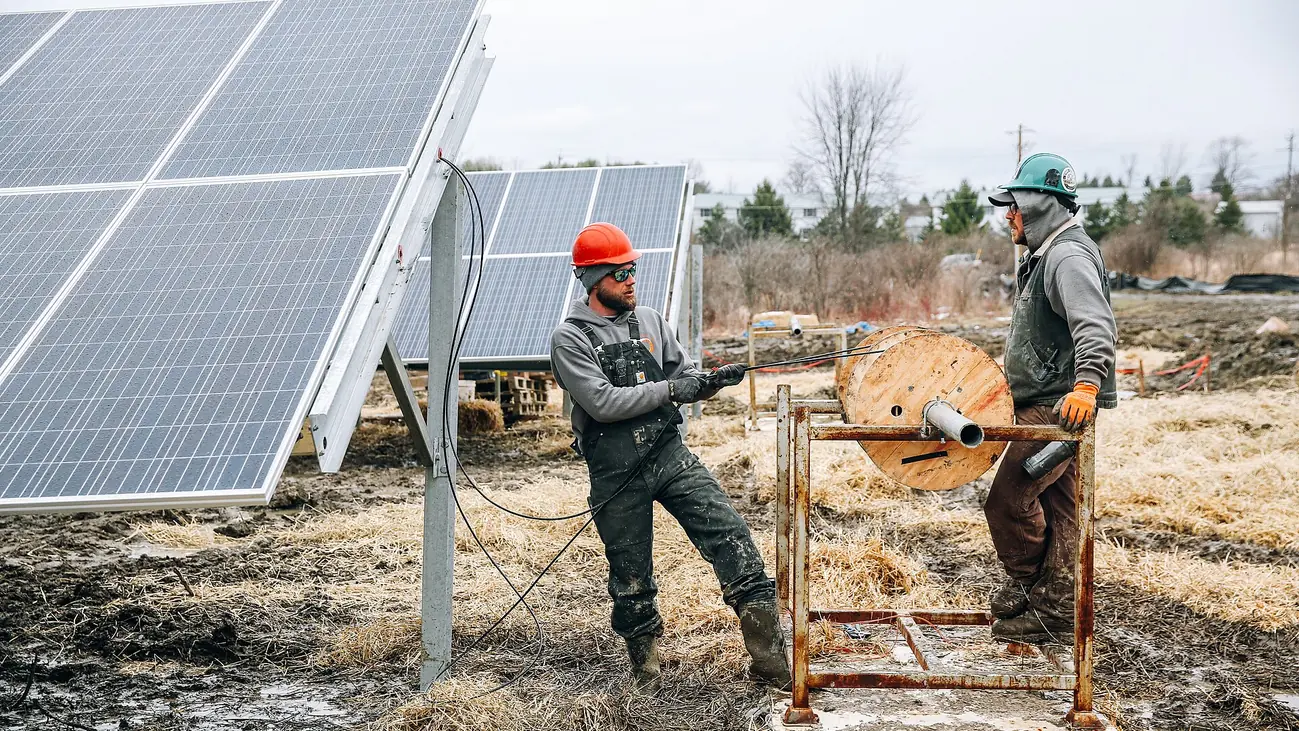
The stations accept MPPT solar input, so they charge while being used. With a 300-600W panel they keep recharging through long outage periods, which cuts dependence on both the grid and fuel.
A 230V/50Hz pure sine wave output runs locally sold appliances directly. Lithium batteries ship with UN38.3 documentation, which keeps sea freight and distributor delivery straightforward.
Entry tier: smallest and lightest, for lighting and phone charging
Main tier: lighting, fan, TV and small fridge, with 600W MPPT solar input
High-power tier: runs a 1500W kettle, a 2000W induction cooker and similar loads
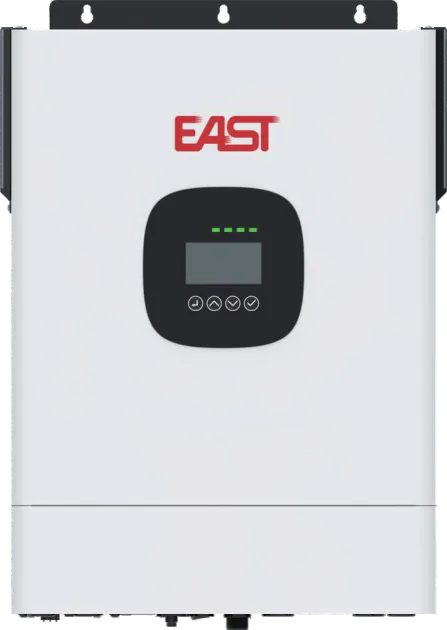
Larger homes and institutions: off-grid inverter with battery, 3-5kW loads
LED light
About 82 hours
Electric fan
About 18 hours
Car fridge
About 29 hours
Electric kettle
About 1.9 hours
Runtimes above are calculated from usable energy (85% of capacity) and typical appliance wattage; real figures vary with ambient temperature and load.
Configurations are sized from a per-household load list; final selection is confirmed against destination certification, the load list and order quantity.
Nigeria Off-Grid Household Power Backup
Guides
Battery vs generator for home backup — compare cost, runtime, noise, fuel and lifespan to choose the right backup power source for your home.
How to survive load shedding with a solar battery — what each stage means for your home, which battery size you need (2, 3 or 5 kWh), solar panel requirements, the cost comparison vs generator fuel, and wholesale supply for distributors.
How Nigerian families and small shops cut generator fuel costs with 2–5 kWh solar home batteries — sizing for local outage patterns, the naira cost comparison vs generators, and wholesale supply for distributors and importers.
Submit product models, capacity, application scenarios and target market — our team replies within 24h on working days.