The short answer: for load shedding in South Africa, a 2 kWh to 5 kWh solar battery with the right inverter keeps the essentials running through any stage of Eskom's outages — lights, TV, fridge, Wi-Fi and phone charging — and pays for itself against generator fuel within a couple of years. Load shedding has changed the math of home backup in South Africa: outages are scheduled, repeat every day or two, and last two to six hours per stage. That is exactly the pattern a solar home battery is built for: charge during the day from the grid or solar panels, carry the home through the outage, recharge overnight. Here is how to choose the right size, panel setup and supplier for your market.
What load shedding means for your home electricity
Load shedding is the controlled cutting of power by Eskom when the national grid cannot meet demand. Outages are announced in stages — from Stage 1 (about 2 hours without power) up to Stage 6 and beyond (6 hours or more, sometimes several times a day). What matters for sizing is not the stage itself but the total hours per day you can expect to be without power: Stage 2 typically means two to four hours, Stage 4 four to six hours, and higher stages can mean six to twelve hours across the day. A solar battery sized for your longest expected outage window plus your essential loads removes the disruption entirely — lights stay on, the fridge stays cold and the Wi-Fi keeps working.
How much power a South African home needs during load shedding
Most homes want the same essentials during an outage: a fridge (average 50 W), LED lights (10 W each), a TV (60 to 80 W), a fan or heater depending on season (50 to 100 W), a Wi-Fi router (10 W) and phone and laptop charging (15 to 60 W). A typical evening load with the fridge cycling is 200 to 300 W. For a four-hour Stage 2 outage, that is roughly 1 to 1.2 kWh of energy — comfortably inside a 2 kWh battery. For a six-hour Stage 4 to 6 outage with the fridge running the whole time, plan on 1.5 to 2 kWh, which is why most households choose 3 to 5 kWh: they get margin for longer outages, for cooking, and for the days when outages come twice. The 2 kWh, 3 kWh and 5 kWh runtime tables show exactly how long each size carries each appliance.
Choosing the right battery size for your home
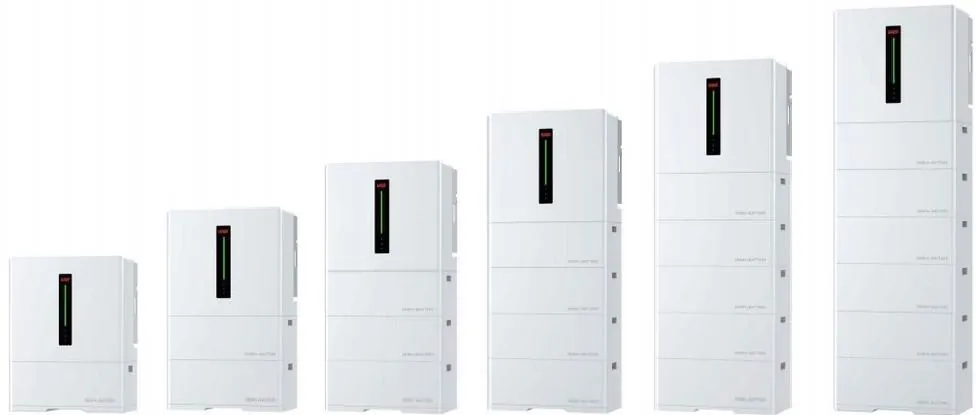
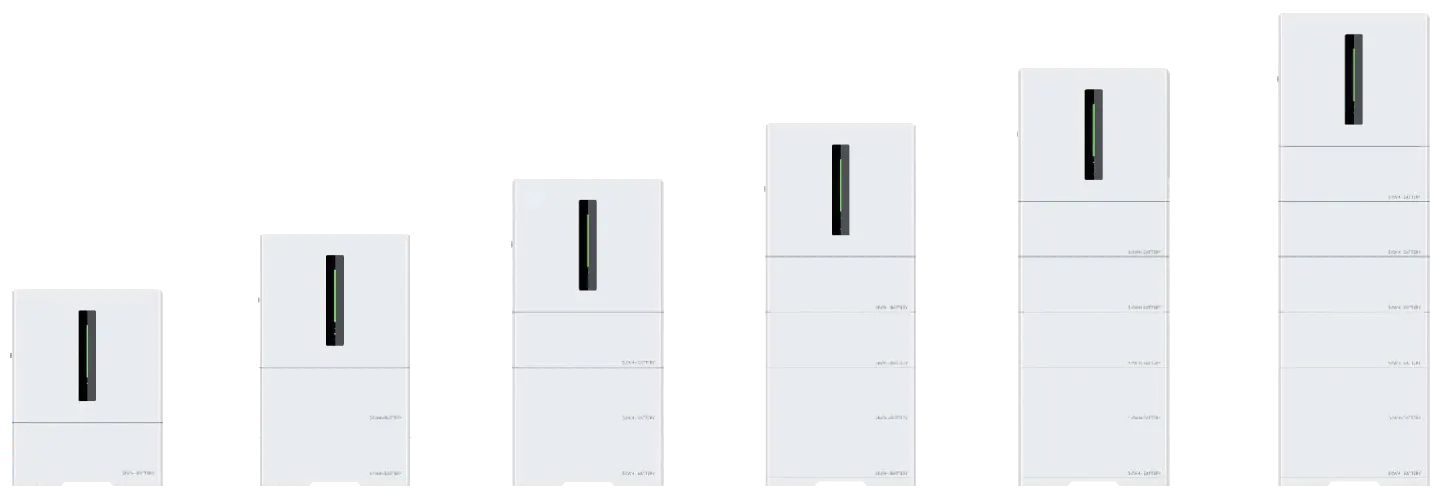
The three practical sizes for South African homes map to household profiles. A 2 kWh system suits apartments and small homes with no fridge or a small bar fridge — it covers lights, TV, phones and Wi-Fi through any single outage window. A 3 kWh system suits standard family homes with a full fridge: it carries the evening load plus the fridge overnight, which covers Stage 2 to 4 outages without compromise. A 5 kWh system suits larger homes, homes with a deep freeze, home offices or small businesses — it runs the whole family load for a full day and night, covering Stage 6 days and repeated outages. Our 2 kWh, 3 kWh and 5 kWh guides go through each size in detail; the general rule is to size for your worst week, not your average day.
Solar panels: how many do you need to recharge?
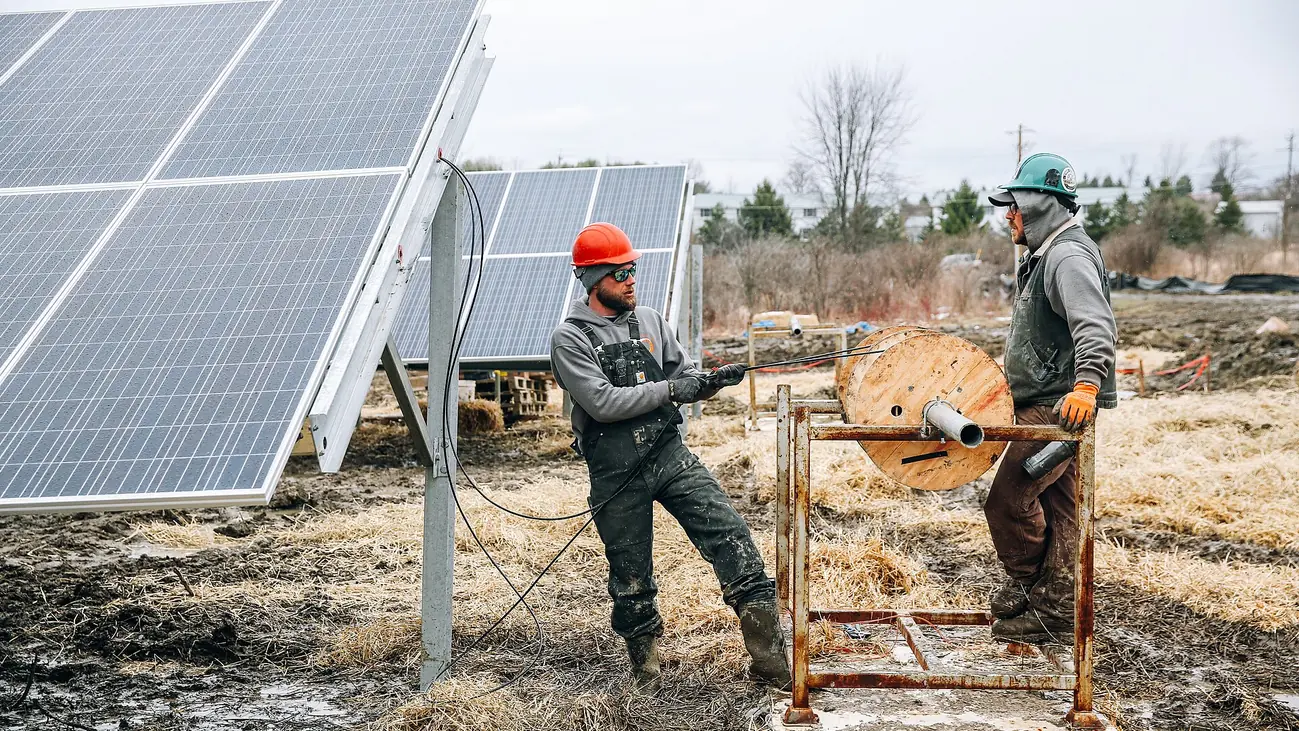
In South Africa's strong sunlight, a 2 kWh battery needs roughly 400 to 500 W of panels to recharge in a day, a 3 kWh battery needs 600 to 800 W, and a 5 kWh battery needs about 1000 W. Panels do two jobs: they recharge the battery after each outage and they reduce the electricity you buy from the grid. If you install the battery alone, it simply recharges from the grid when power is back — which is the cheapest way to start, and you can add panels later. Most homeowners who already have solar panels add a battery to their existing system; the battery captures the day's solar surplus and uses it through the evening and the outage window. Whichever route you take, confirm the inverter supports both grid charging and solar input, and matches the battery voltage — 51.2 V LiFePO4 is the standard home configuration.
Battery vs generator: the cost comparison for load shedding
Many South African homes already own a petrol or diesel generator, and the running cost is the reason they are now switching to batteries. A typical 2 to 3 kVA generator burns 0.8 to 1.5 liters per hour under load; at current South African fuel prices, four hours of load shedding a night costs R40 to R90 per session, before oil changes and maintenance — several thousand rand a year. A solar battery has no fuel cost, no maintenance beyond an occasional check, runs silently and instantly, and protects sensitive electronics from voltage fluctuations that generators can produce. The practical pattern for many homes is hybrid: keep the generator for weeks-long outages, run the battery for daily load shedding. Over two to three years the fuel savings typically pay for the battery.
Installing a solar backup system: what you need
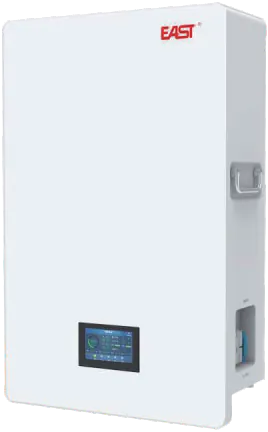
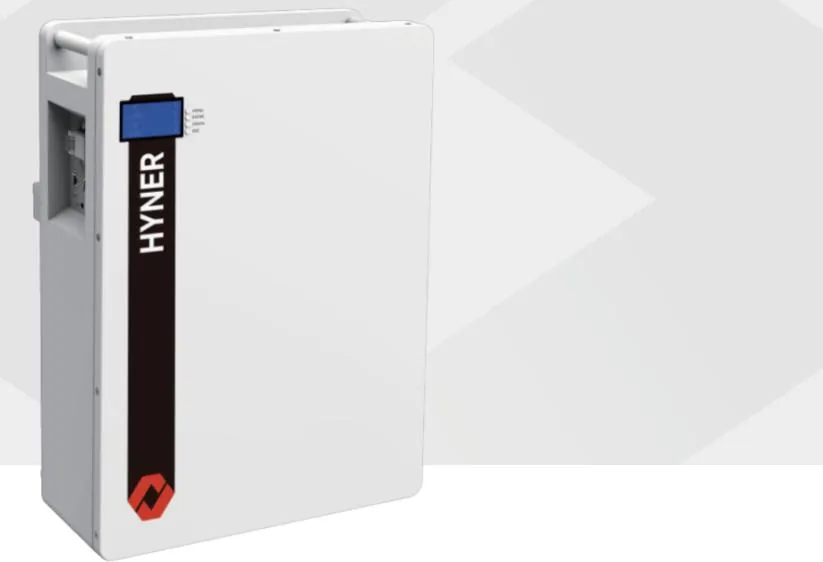
A complete load shedding backup system has three parts: the battery (LiFePO4 recommended for South Africa's heat and daily cycling), an inverter that switches between grid and battery automatically, and optional solar panels with a charge controller. Installation is straightforward for an electrician: the inverter connects to your distribution board, the battery connects to the inverter, and essential circuits — lights, plugs for the fridge and TV, Wi-Fi — are routed through the backup side. Most households run "essential circuits only", which keeps the cost down and the outage protection complete. Ask your installer for a load assessment before buying; a system sized on the nameplate wattage of your whole home is two to three times larger than you need.
Buying load shedding backup systems wholesale
For South African distributors, retailers and installers, load shedding demand makes solar home batteries a high-volume, year-round category. When sourcing from a factory, confirm the battery chemistry and cycle life (LiFePO4, 4000+ cycles), the inverter compatibility (hybrid inverters from brands like Deye and Sunsynk are common in the South African market — confirm CAN/RS485 communication), the certifications needed for local installation (SANS/IEC compliance, UN38.3 for shipping) and the OEM options — branding, packaging and manuals. We manufacture LiFePO4 batteries and storage systems in-house and supply 2 kWh to 5 kWh home systems wholesale with flexible MOQ, OEM/ODM customization and sea freight to South Africa. Contact us with your target market, order size and load profile for a complete quotation.
Frequently asked questions
What size solar battery do I need for load shedding in South Africa? — For a standard family home with a fridge, 3 kWh covers Stage 2 to 4 outages; 5 kWh covers full-day Stage 6 patterns. Apartments and small homes can manage with 2 kWh. Size for your worst week, not your average day.
Can a solar battery recharge during load shedding? — Only from solar panels during an outage; from the grid it recharges when power returns. In South Africa's sunlight, 400 to 1000 W of panels recharge a 2 to 5 kWh battery in a day.
Is a battery cheaper than a generator for load shedding? — Over two to three years, yes: a generator costs R40 to R90 per four-hour session in fuel alone, while a solar battery has zero running cost. Many homes keep the generator for long outages and use the battery daily.
Can I add a battery to my existing solar system? — Yes, in most cases. A hybrid inverter with a battery port lets you add storage to an existing PV system; the battery stores daytime solar surplus for the evening and outage windows. Confirm voltage and communication compatibility with your installer.
How long will a 5 kWh battery run my house during load shedding? — A typical family load — fridge, TV, lights, fan and phones — draws 200 to 300 W; 5 kWh (about 4 kWh usable) carries that for 12 to 16 hours, covering even Stage 6 days. Contact us with your load list for exact sizing.