The short answer: in Nigeria, a 2 kWh to 5 kWh solar home battery keeps a family's essentials — TV, fridge, lights, fan and phone charging — running through the daily power outages, and replaces most of the diesel generator hours that currently cost households and small shops thousands of naira every month. Nigeria's grid is one of the most unreliable in the world: national grid collapses still occur, and many homes receive only 4 to 12 hours of supply per day. The result is that most Nigerian families already own a generator and already pay for fuel every week. A solar battery does the same job silently, without fuel, and pays for itself against generator running costs. Here is how to size one, what it costs, and how Nigerian distributors can source them wholesale.
Nigeria's power situation: what families actually face
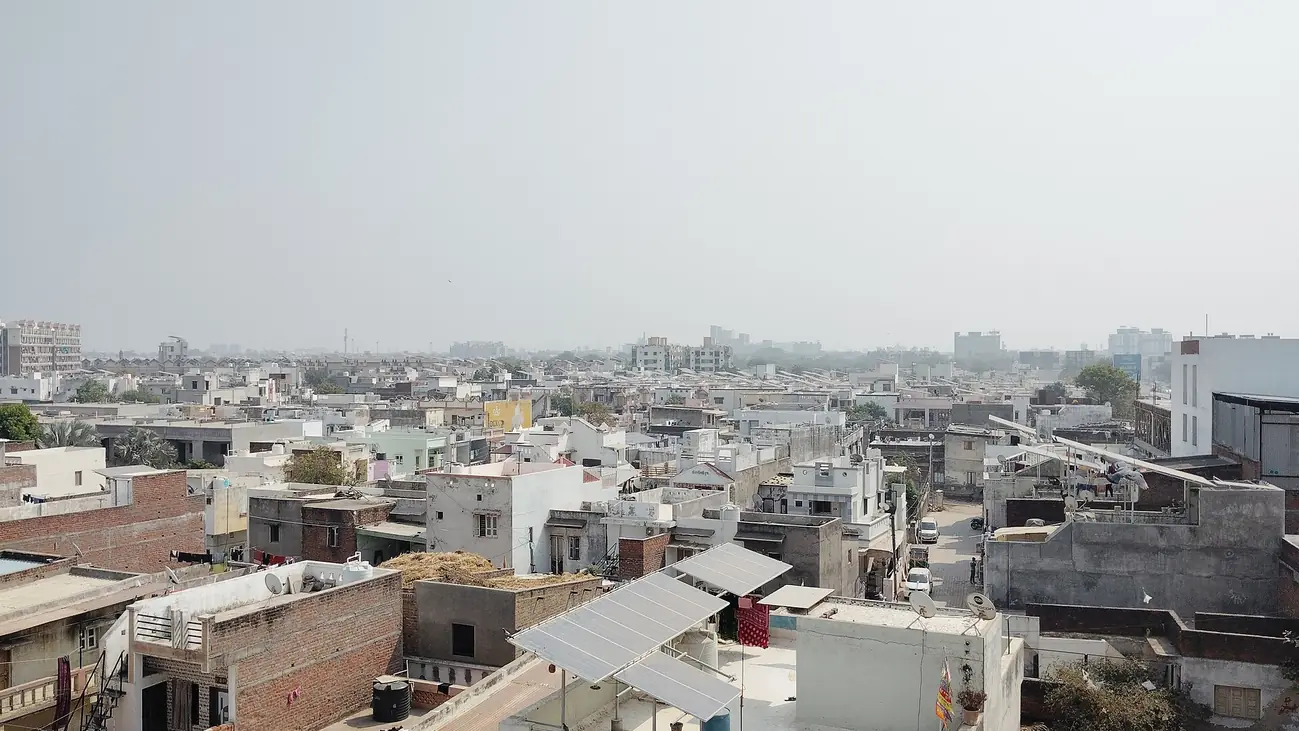
Two problems define household electricity in Nigeria. First, the national grid is fragile — grid collapses that black out the whole country still happen, and even in normal operation, many areas receive only a few hours of supply per day from their distribution company. Second, the gap is filled by generators: the vast majority of homes and small businesses run petrol or diesel generators, sometimes for most of the day. That makes electricity expensive: generator fuel, oil, servicing and repairs add up to a major monthly expense, and generators are noisy, polluting and unreliable. A solar home battery attacks both problems at once — it stores energy when the grid is available, and runs the essentials silently when it is not.
How much power a Nigerian home needs during outages
The essential loads in a typical Nigerian home are the same as in most of the region: a fridge or freezer (average 50 to 80 W), LED lights (10 W each), a TV (60 to 80 W), a standing fan (50 W), a Wi-Fi router (10 W) and phone charging (15 W). A typical outage-period load with the fridge cycling is 200 to 350 W. For a four-hour outage that is roughly 1 to 1.4 kWh of energy; for a six-to-eight-hour evening, 1.5 to 2.5 kWh. That is exactly the range the 2 kWh, 3 kWh and 5 kWh sizes cover — which is why these capacities are the sweet spot for Nigerian households. Small shops, phone charging businesses and kiosks with a fridge run higher loads and should size at the top of the range.
Choosing the right size for a Nigerian home
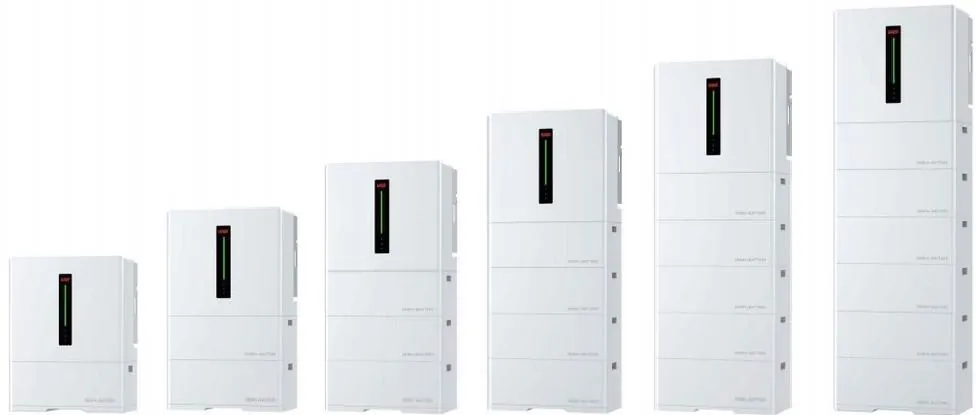
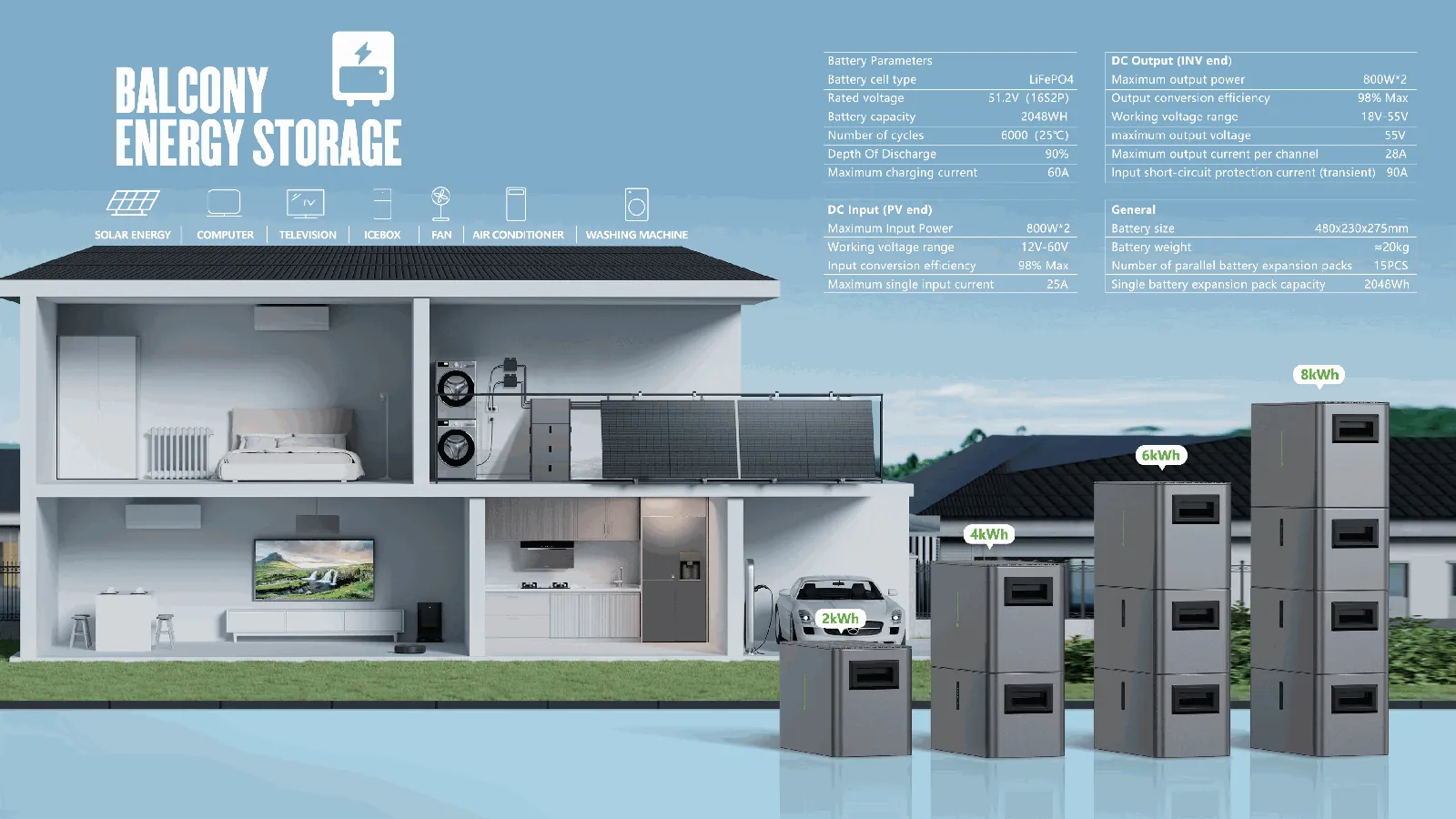
A 2 kWh system suits small homes and apartments — lights, TV, fan and phone charging through a four-hour outage, with no fridge. A 3 kWh system suits the standard family home with a fridge: it carries the evening load plus the fridge overnight, which covers the most common outage pattern in Nigeria. A 5 kWh system suits larger homes, homes with a freezer, small businesses and shops — it runs the full family load for a day and night, covers repeated outages, and can also power a small shop's lighting and phone charging through the evening. Our 2 kWh, 3 kWh and 5 kWh guides detail each size; as a rule, Nigerian buyers should size for the longest outage they have actually experienced, not the average.
Solar panels: how many do you need?
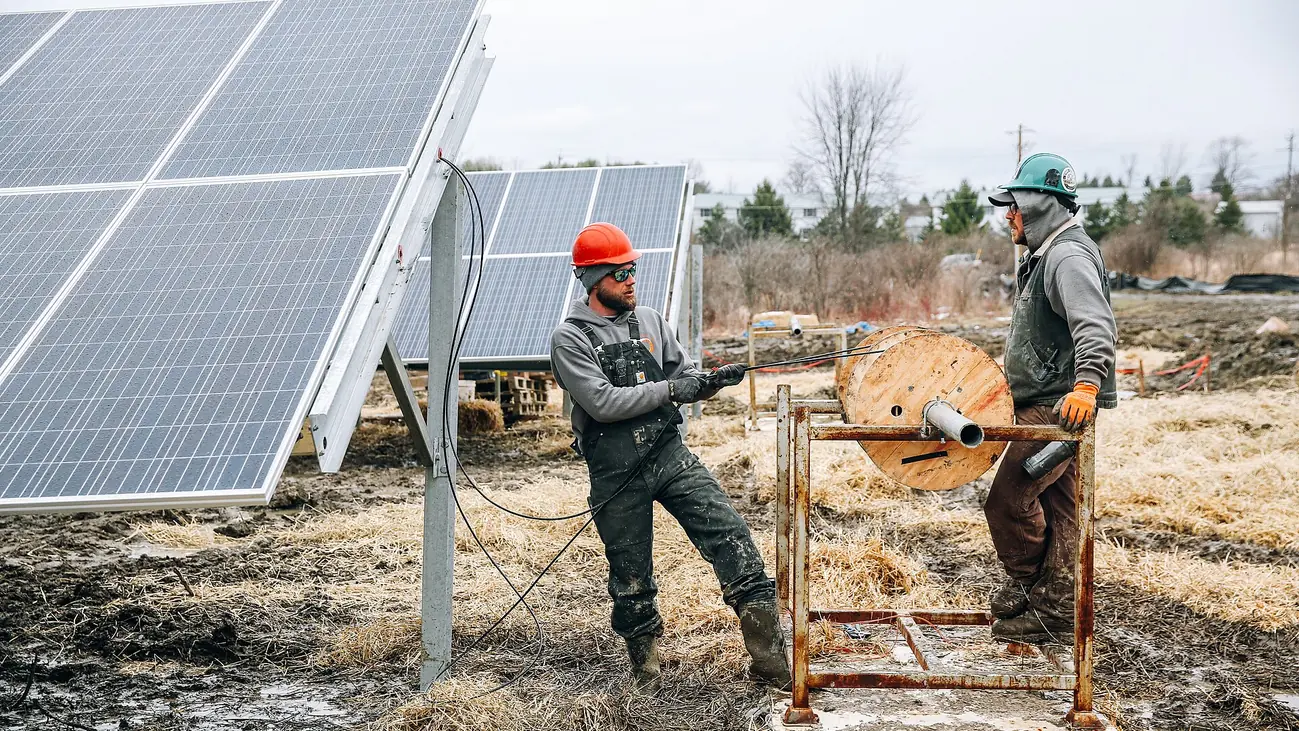
Nigeria's sunlight is strong and consistent: a 2 kWh battery needs roughly 400 to 600 W of panels to recharge in a day, a 3 kWh battery needs 600 to 800 W, and a 5 kWh battery needs about 1000 W. For most buyers the practical sequence is: buy the battery and inverter first, run it by charging from the grid when supply is available, then add panels to cut grid dependence and recharge during the day. The panels also keep the battery topped up through long outages — a significant advantage in Nigeria, where outages can last for days in some areas. Confirm the inverter supports both grid and solar charging and matches the battery voltage; 51.2 V LiFePO4 is the standard home configuration.
Solar battery vs generator: the naira math
The cost comparison is stark in Nigeria because generator fuel is expensive and outages are frequent. A typical 2 to 3 kVA petrol generator burns 0.8 to 1.5 liters per hour; running it four to six hours a day at current fuel prices costs ₦4,000 to ₦10,000 per week in fuel alone, before oil, servicing and repairs. Over a year that is ₦200,000 to ₦500,000 or more — enough to buy a solar battery system outright in many cases. A solar battery has zero fuel cost, no noise, no fumes indoors, and instant power with no pull-start. Homes that keep a generator for long outages typically cut its run time by 70 to 90% after installing solar-plus-battery, which pays for the system within one to two years.
What a solar home battery system includes
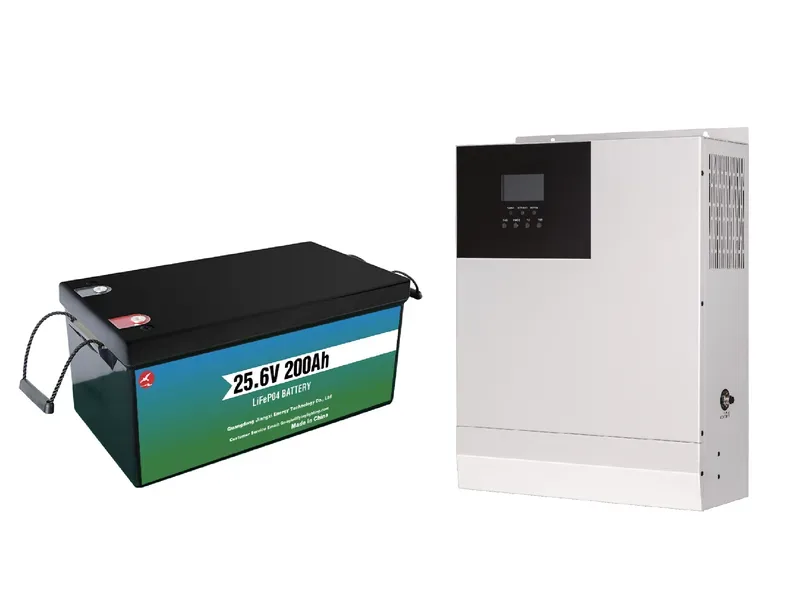
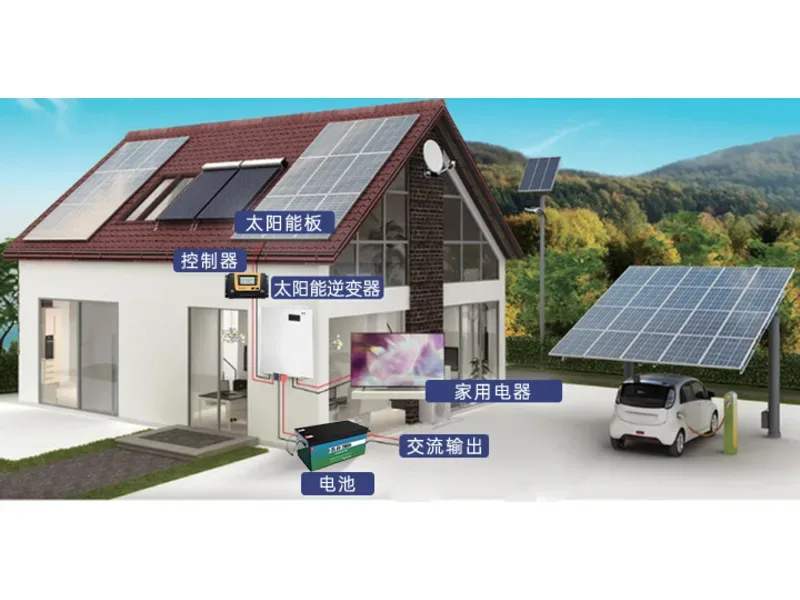
A complete system has three parts: a LiFePO4 battery (chosen for Nigeria's heat and daily cycling), an inverter that switches between grid and battery automatically, and optional solar panels with a charge controller. The inverter connects to the distribution board, the battery to the inverter, and the essential circuits — lights, fridge plug, TV, Wi-Fi — run through the backup side. Most homes run only essential circuits, which keeps the cost low and the protection complete. Buyers should ask their supplier for a load assessment and a genuine LiFePO4 battery with a BMS, rather than the cheapest option: in hot climates, battery quality and cycle life are what make the system last.
For Nigerian distributors and importers
The demand for solar home systems in Nigeria is enormous and growing — households, small shops and mini-grid developers are all buying. For distributors and importers, the categories that sell are exactly the 2 kWh to 5 kWh sizes: 2 kWh for the budget market, 3 kWh as the family standard, and 5 kWh for larger homes and shops. When sourcing from a factory, confirm the battery chemistry and cycle life, the inverter brands your market already knows, certifications for shipping (UN38.3 for air, and the documentation needed for customs clearance), and OEM options — branding, packaging and manuals. We manufacture LiFePO4 batteries and storage systems in-house and supply 2 kWh to 5 kWh home systems wholesale with flexible MOQ, OEM/ODM customization and sea freight to Nigeria. Contact us with your target market, order size and load profile for a complete quotation.
Frequently asked questions
What size solar battery do I need for my home in Nigeria? — For a family with a fridge, 3 kWh covers the typical outage pattern; 5 kWh covers longer outages and small business use. Apartments and small homes can manage with 2 kWh. Size for your worst week, not your average day.
Can a solar battery power a generator-free home? — Yes, with solar panels. A 2 to 5 kWh battery plus 400 to 1000 W of panels covers the essentials day and night in Nigeria's sunlight; many homes run entirely on solar-plus-battery and keep a generator only as a last resort.
Is solar battery cheaper than a generator in Nigeria? — Over one to two years, yes: generator fuel alone costs ₦4,000 to ₦10,000 per week for a typical home, while a solar battery has zero running cost. The fuel savings typically pay for the battery.
Can I buy solar batteries wholesale for my shop or distribution business? — Yes. We supply 2 kWh to 5 kWh LiFePO4 home systems wholesale with flexible MOQ, OEM branding and sea freight to Nigeria. Send us your target market and order size for a quotation.
How long will a 3 kWh battery run my house during an outage? — A typical family load — fridge, TV, lights, fan and phones — draws 200 to 300 W; 3 kWh (about 2.4 kWh usable) carries that for 8 to 12 hours, covering most Nigerian outage patterns. Contact us with your load list for exact sizing.